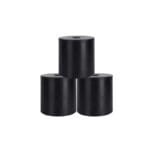
A polyurethane component can retain its shape and hardness during a short wet test yet lose strength after prolonged warm-water exposure. Water, heat, formulation, stress, cleaning chemicals, and drying opportunities interact. Managing polyurethane hydrolysis therefore requires more than labeling a part “water resistant.”
This guide helps engineers specify rollers, scrapers, seals, and wear parts for humid, immersed, or washdown equipment by connecting polyurethane hydrolysis risk with chemistry, geometry, exposure sequence, testing, and inspection.
Table of Contents
Describe the Water Exposure Precisely
Separate immersion, splash, condensation, high humidity, steam, washdown, and trapped water. Record continuous and peak temperature, exposure duration, drying periods, and pressure. Polyurethane hydrolysis risk rises when warm water remains in contact for long periods, but exact behavior depends on the system.
Include process additives, salts, cleaners, disinfectants, oil, and pH where known. “Water” is not a complete chemical description.
Identify the Polyurethane Chemistry
Polyether-based systems are commonly considered where hydrolysis resistance is important, while polyester-based systems may offer other mechanical and abrasion advantages. Formulation details matter within each family. Do not approve a generic “PU 90A” for polyurethane hydrolysis service.
Request a compound designation and relevant evidence. Hardness alone cannot distinguish backbone chemistry, water retention, tensile loss, or long-term surface breakdown.
| Exposure question | Why it matters | Evidence to request |
|---|---|---|
| Continuous immersion or splash? | Controls contact duration | Exact cycle and test plan |
| Water temperature? | Heat accelerates chemical change | Warm-exposure retention |
| Cleaning chemistry? | May add chemical attack | Exact-fluid compatibility |
| Part under strain? | Cracks can initiate sooner | Loaded finished-part test |
| Can water drain and dry? | Traps extend exposure | Geometry and shutdown review |
Remove Water Traps From the Design
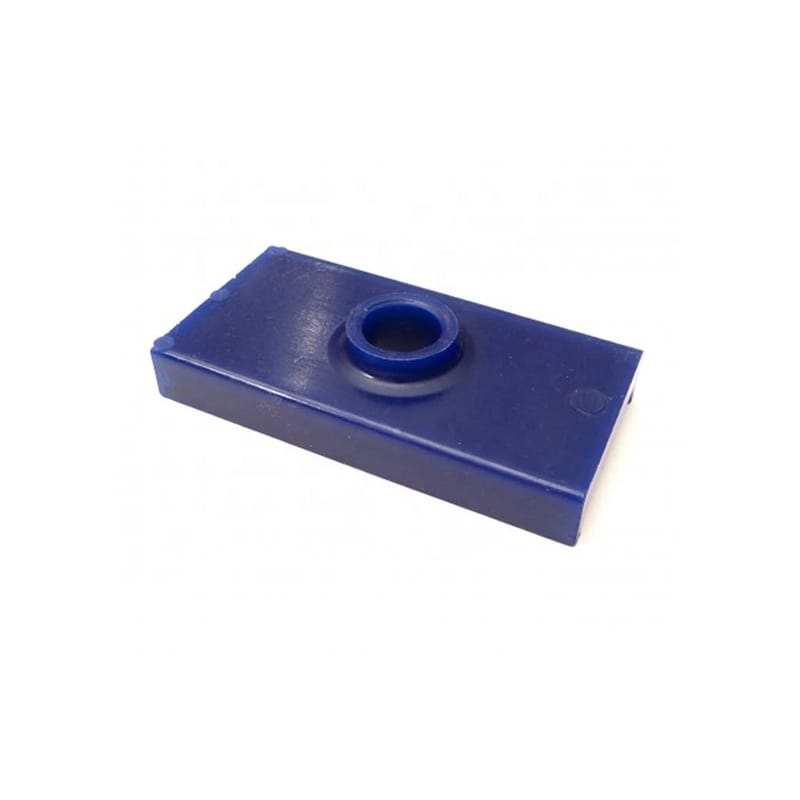
Blind pockets, deep grooves, bonded sleeve edges, and horizontal ledges can hold water after shutdown. Add drainage, slopes, vent paths, and accessible cleaning where function permits. Geometry that dries between cycles can reduce polyurethane hydrolysis exposure without changing hardness.
Avoid very thin flexing edges next to trapped fluid. Repeated strain can expose new surfaces and accelerate visible damage.
Protect Bonded Inserts and Interfaces
Water can enter at a damaged bond edge or corroding insert. Specify metal preparation, coating compatibility, bond coverage, edge geometry, and drainage. A polyurethane hydrolysis review should include the rigid substrate and adhesive system, not only bulk elastomer.
Inspect for edge lifting, rust staining, bubbles, and underfilm movement. ASTM D429 can inform adhesion evidence, but the wet loaded interface needs application testing.
- Name the compound chemistry.
- List water temperature and duration.
- Include cleaners and shutdown exposure.
- Drain trapped zones.
- Test polyurethane hydrolysis under representative stress.
Test Property Retention, Not Appearance Alone
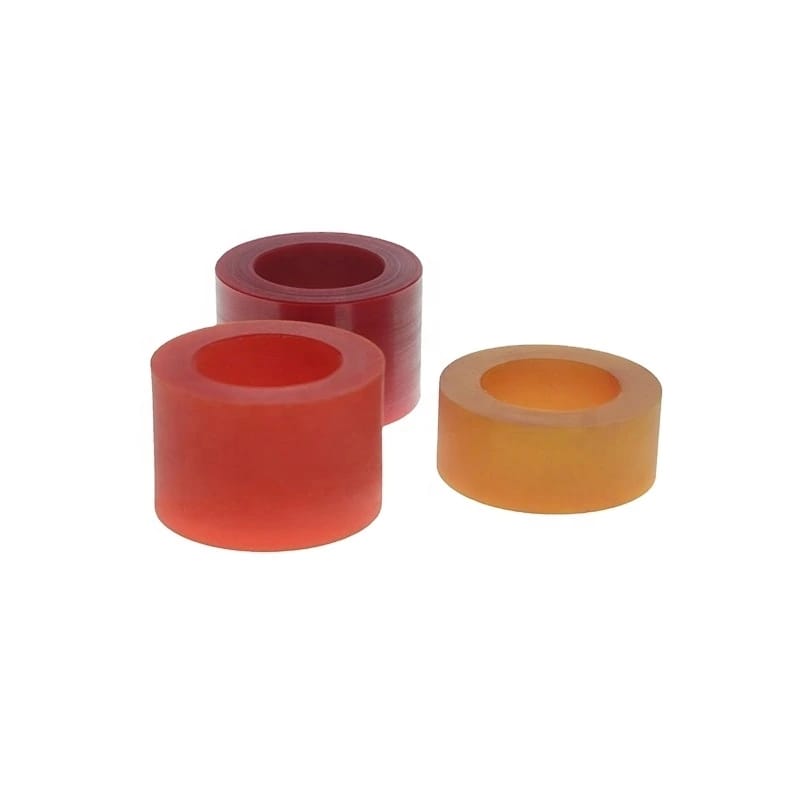
A sample can look unchanged while tensile or tear strength declines. Measure mass, dimensions, hardness, tensile behavior, tear, surface, and functional load before and after exposure when relevant. Polyurethane hydrolysis approval should use properties tied to the failure mode.
ASTM D471, ASTM D412, and ASTM D624 provide controlled methods. Adjust the exposure protocol to the actual fluid and temperature without claiming an unsupported life conversion.
Include Warm Shutdown and Cleaning Cycles
Many parts remain wet after equipment stops, when ventilation and motion disappear. Cleaning may add hotter water or a concentrated chemical. Reproduce this sequence in the polyurethane hydrolysis test rather than using steady room-temperature immersion only.
If the part cycles wet and dry, inspect for cracking and dimensional change after repeated transitions. Record sample conditioning before every measurement.
Compare Alternative Material Systems Fairly
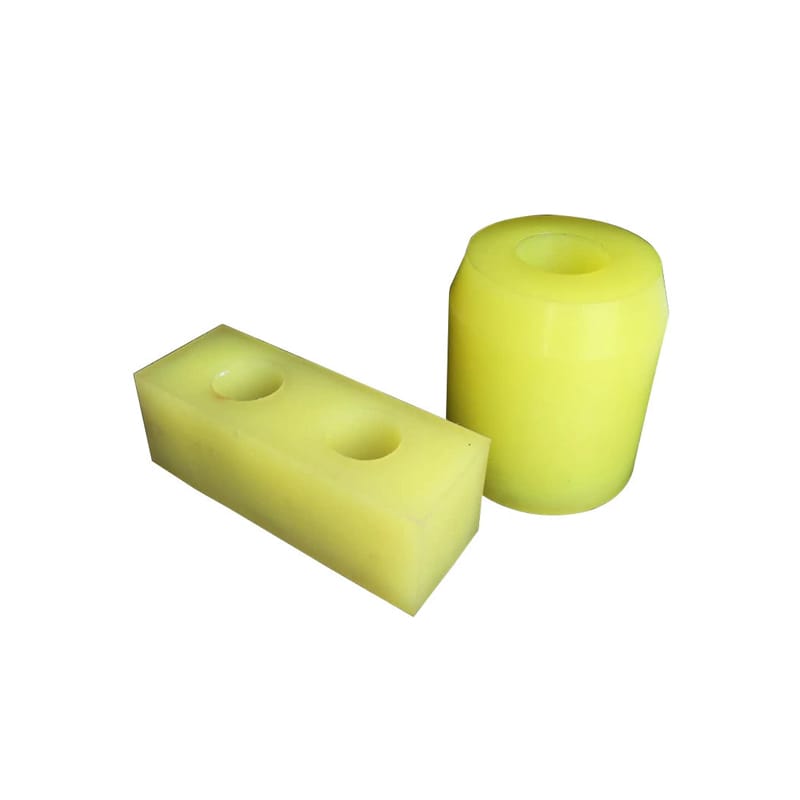
Rubber compounds, engineering plastics, and different polyurethane chemistries may each suit part of the requirement. Compare abrasion, impact, flexibility, friction, temperature, bonding, and wet retention. Do not solve polyurethane hydrolysis by selecting a material that fails the mechanical duty.
The PU belt cleaner selection guide and polyurethane screen panel guide provide related polyurethane material and wet-screening context.
Monitor Early Wet-Service Warning Signs
During inspection, look for soft or crumbly surfaces, cracks at flex points, swelling, loss of rebound, bond-edge movement, unusual odor, discoloration, and accelerated wear. Trend dimensions and hardness using consistent methods. These signs can prompt review before polyurethane hydrolysis produces a sudden failure.
The custom polyurethane parts page shows custom polyurethane formats. Preserve failed and unused same-lot samples for comparison.
A laboratory plan should include an unexposed control and more than one inspection point. Early, intermediate, and final measurements reveal whether change is rapid at first, approximately steady, or accelerates after surface damage begins. Use identical sample geometry and conditioning. Two occurrences of polyurethane hydrolysis in different formulations cannot be compared fairly when specimen thickness, temperature, or reporting method changes.
Service inspections should distinguish hydrolytic degradation from abrasion, cutting, biological growth, chemical attack, and bond corrosion. Preserve a cross-section and compare the surface with material beneath it. A wet worn component may have several mechanisms operating together, and selecting another hardness will not address all of them.
For stored spares, control heat, humidity, ozone sources, contamination, and packaging according to the compound supplier’s guidance. Record manufacture and installation dates without implying a universal shelf life. A well-stored spare provides a better comparison sample when polyurethane hydrolysis or another aging mechanism is suspected in service.
A staged qualification can begin with coupon screening, continue with molded sections, and finish with loaded production-intent components. Advancing only candidates that retain relevant properties reduces unnecessary assembly trials while preserving the final functional check. Define failure handling in advance: if a sample cracks, softens, or loses bond, preserve the exposure fluid and temperature record as well as the part.
Where water quality varies by site, test a credible range or use field samples rather than assuming one plant represents all installations. Dissolved salts, treatment chemicals, biological material, and cleaning residues can change the combined exposure. State the sites and fluids covered by approval and avoid extending conclusions beyond the evidence.
A change in formulation should trigger a defined review even when nominal hardness remains unchanged. Compare compound identification, cured properties, wet-exposure retention, processing, and bond system. Update drawings and approved-source records so production cannot alternate between materially different systems under one broad callout.
Retain the original test records with every approval decision.
Frequently Asked Questions
What is polyurethane hydrolysis?
It is chemical degradation involving water and susceptible polymer bonds, influenced by chemistry, temperature, time, stress, and other chemicals.
Is polyether polyurethane immune to hydrolysis?
No material should be treated as immune. Polyether systems are often considered for improved wet resistance, but the exact formulation and application must be tested.
Does hardness show polyurethane hydrolysis resistance?
No. Equal-durometer materials can have different chemistry and property retention. Hardness is only one measurement.
How should polyurethane hydrolysis be tested?
Use the actual fluid, temperature, duration or cycle, stress state, and relevant property-retention measurements, plus a finished-part test.
Can design reduce hydrolysis risk?
Yes. Drainage, drying, protected bond edges, reduced trapped water, and lower strain can reduce the effective exposure.
Review Polyurethane Hydrolysis Before Wet-Service Release
Huadao can review custom polyurethane parts for chemistry, water traps, inserts, strain, and testing.
Share the wet-service cycle through the contact page to evaluate polyurethane hydrolysis using relevant evidence.