Table of Contents
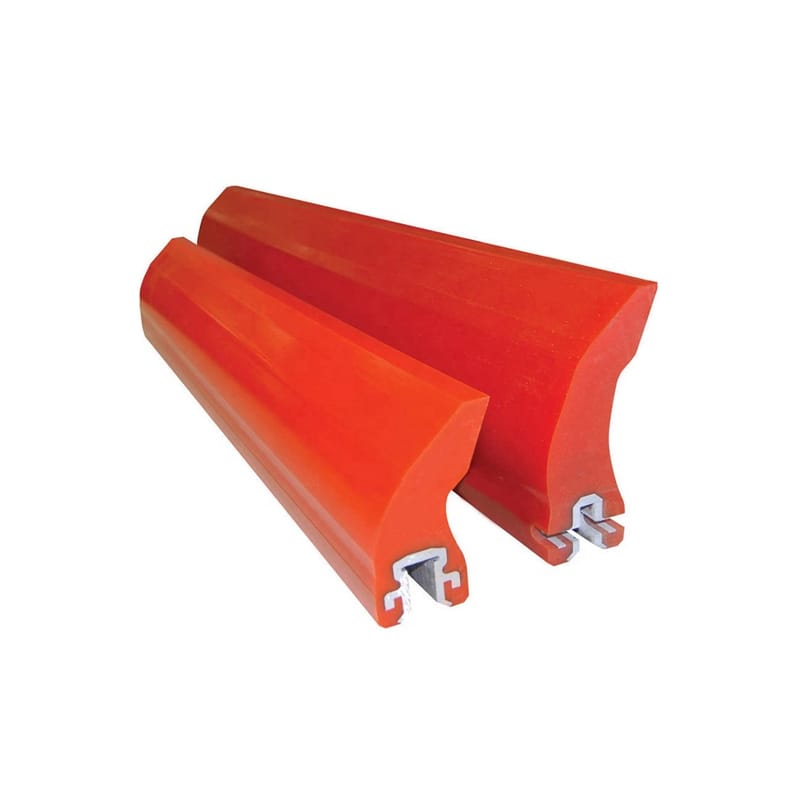
A PU primary belt cleaner removes carryback from a conveyor belt near the discharge point. Carryback can create spillage, contaminate return rollers, increase cleanup time, and contribute to mistracking or premature wear. A PU primary belt cleaner should be selected as part of the conveyor maintenance system rather than treated as a generic scraper blade.
Understand the Carryback Problem
Carryback depends on the material being conveyed. Wet fines, sticky clay, coal, sand, aggregate, grain, and recycling material behave differently on the belt. Moisture, particle size, belt speed, and pulley diameter all affect cleaning. A PU primary belt cleaner should be matched to the material and discharge area rather than chosen only by belt width.
Huadao supplies PU primary belt cleaner products for conveyor cleaning. Buyers working on the wider conveyor system may also review the plastic conveyor rollers guide, UHMWPE conveyor wear strip guide, and plastic chain guide rail guide.
Carryback should be described by where it creates trouble. Some conveyors lose material at the discharge area, while others carry fines back to return rollers and create buildup along the structure. A PU primary belt cleaner should be selected according to the location and severity of the carryback problem.
The cleaning target should be realistic. A PU primary belt cleaner can reduce carryback, but the expected result depends on material stickiness, belt condition, and installation. If the buyer expects a nearly clean return belt, that expectation should be discussed before the blade design is confirmed.
Balance Blade Material and Pressure
Polyurethane is commonly used for cleaner blades because it can combine wear resistance with enough flexibility to follow the belt surface. The blade must remove material without damaging the belt, splice, or pulley area. If the blade is too soft, it may not clean effectively. If it is too aggressive or poorly tensioned, it may wear quickly or harm the belt.
For background, readers can review conveyor belts, belt conveyors, polyurethane, and bulk material handling. The final PU primary belt cleaner still depends on the specific conveyor.
Blade pressure is a balance. Too little pressure leaves material on the belt. Too much pressure can increase blade wear, belt wear, or chatter. A PU primary belt cleaner needs enough contact to clean effectively while allowing the belt to move without unnecessary stress.
Material stickiness should be discussed separately from abrasiveness. A very abrasive material may wear the blade quickly, while a sticky material may require stable contact and correct blade angle. A PU primary belt cleaner should be selected for both the material and the way it releases from the belt.
Polyurethane hardness should be chosen with belt protection in mind. A harder blade may resist wear, but it may also be less forgiving against belt irregularities. A softer PU primary belt cleaner blade may follow the belt better but require more frequent inspection in abrasive service.
| Selection Factor | What to Check | Why It Matters |
|---|---|---|
| Belt width | Blade coverage | Prevents missed carryback zones. |
| Material carried | Moisture and abrasiveness | Changes blade wear and pressure. |
| Pulley diameter | Contact geometry | Affects blade angle and stability. |
| Splices | Mechanical or vulcanized | Influences blade safety and wear. |
Review Installation Position
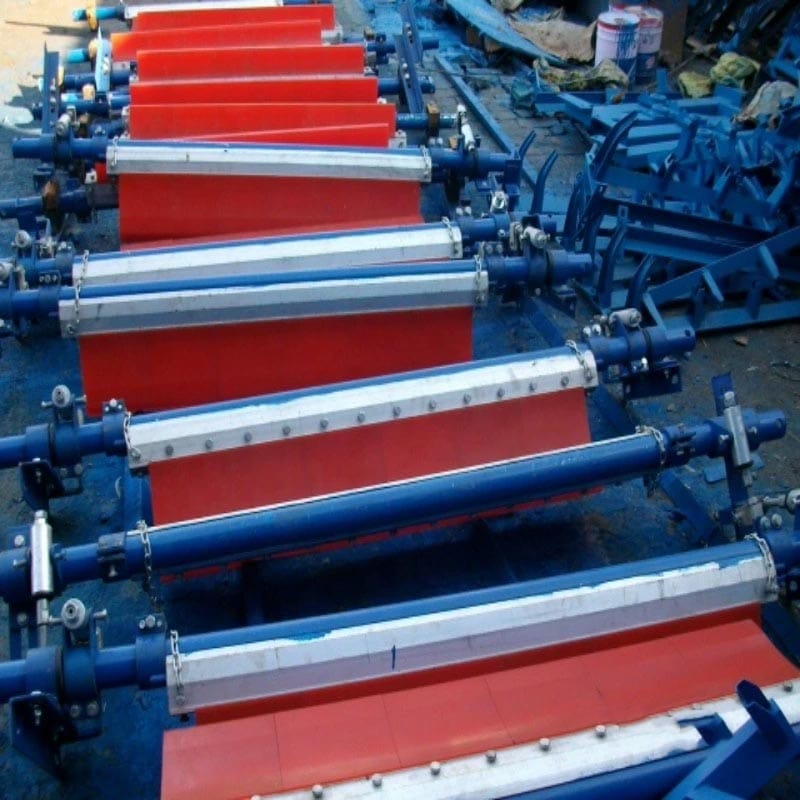
A primary cleaner is usually positioned at the head pulley. The blade should contact the belt at a stable angle and maintain consistent pressure. Poor alignment can cause chatter, uneven wear, or incomplete cleaning. If the belt surface is damaged, heavily worn, or has raised fasteners, the cleaner may need special review before installation.
The mounting structure matters as much as the blade. A rigid support that is hard to adjust can make the cleaner difficult to maintain. A weak support can vibrate. The design should allow inspection, tension adjustment, and blade replacement without excessive downtime.
The cleaner should be reviewed with the belt condition. Mechanical splices, damaged belt covers, mistracking, or material trapped near the pulley can all affect cleaning. If these conditions are ignored, even a suitable PU primary belt cleaner may appear to perform poorly.
The cleaner location should be checked against chute space and pulley guarding. If there is not enough room for adjustment, the cleaner may be installed at a compromise angle. That can reduce performance even if the PU primary belt cleaner blade itself is suitable.
Space around the head pulley can limit the cleaner design. Chutes, guards, frames, and access doors may restrict the mounting angle or adjustment range. Sharing photos of the discharge area helps the supplier design a PU primary belt cleaner that can actually be installed and maintained.
Use Wear Patterns to Improve the Design
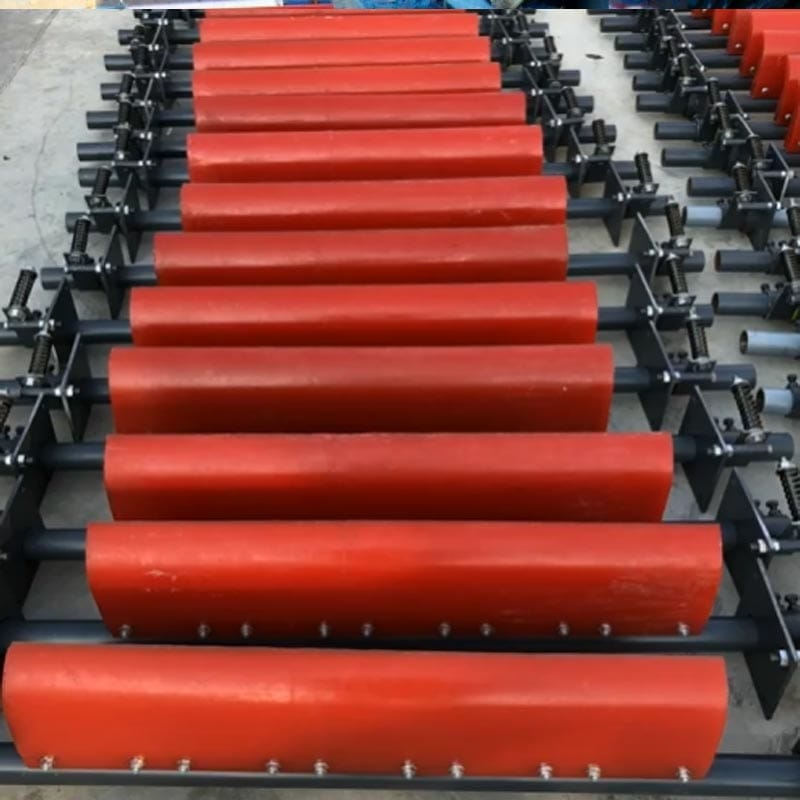
Uneven blade wear may indicate belt mistracking, poor angle, or uneven pressure. Chipped blade edges may indicate impact from splices or foreign material. Persistent carryback after installation may mean the pressure is too low, the blade is too narrow, or the material needs a different cleaning approach.
Inspection should include the blade, belt surface, pulley area, and material buildup around the discharge point. A PU primary belt cleaner cannot compensate for every conveyor issue. If the belt is mistracking, overloaded, or covered with damaged splices, cleaning performance may suffer even with a suitable blade.
Wear patterns across the blade width are useful. Heavy wear on one side may indicate mistracking or uneven mounting. A glazed blade face may indicate heat or constant friction. Chipped edges may indicate impact from splices or debris. These clues help adjust the next PU primary belt cleaner specification.
A maintenance record can help improve the next order. Tracking blade life, carryback level, adjustment frequency, and belt condition gives the buyer better information than a simple statement that the cleaner wore out. These notes help refine PU primary belt cleaner dimensions and material hardness.
Seasonal or material changes should be recorded when possible. A conveyor may run dry material during one period and wetter material during another. If carryback changes with moisture, the PU primary belt cleaner specification should consider the more difficult condition rather than only the easiest operating day.
Concise Quote Checklist
For a custom quote, send belt width, pulley diameter, belt speed, conveyed material, moisture condition, installation photos, blade length, mounting hole pattern, quantity, and whether the order needs only PU blades or a full cleaner assembly.
A PU primary belt cleaner works best when the supplier understands the conveyor layout and material behavior. A clear inquiry helps balance cleaning force, blade life, belt protection, and maintenance access, producing a cleaner that supports the system instead of becoming another repeated wear problem.
For maintenance teams, access can matter as much as blade material. If the cleaner is hard to inspect or adjust, performance may decline before anyone notices. A custom PU primary belt cleaner should consider blade replacement, tension adjustment, and safe inspection from the beginning.
For sample approval, observe the cleaner after real belt operation rather than only checking the blade on the bench. A PU primary belt cleaner should be judged by carryback reduction, blade contact, adjustment stability, and belt protection together.
If only replacement blades are needed, confirm whether the existing holder is straight, secure, and compatible with the new blade. If the holder is worn or distorted, a new PU primary belt cleaner blade may not contact the belt evenly.