Table of Contents
A polyurethane screen panel is not just a replaceable sheet on a vibrating screen. It controls screening accuracy, material flow, drainage, impact resistance, and maintenance time. When a polyurethane screen panel is chosen only by outside size, the panel may still blind, wear unevenly, move on the deck, or reduce capacity. This guide helps OEM buyers, plant engineers, and maintenance teams choose a polyurethane screen panel by screening duty, aperture design, fastening method, and real operating conditions.
Define the Screening Duty First
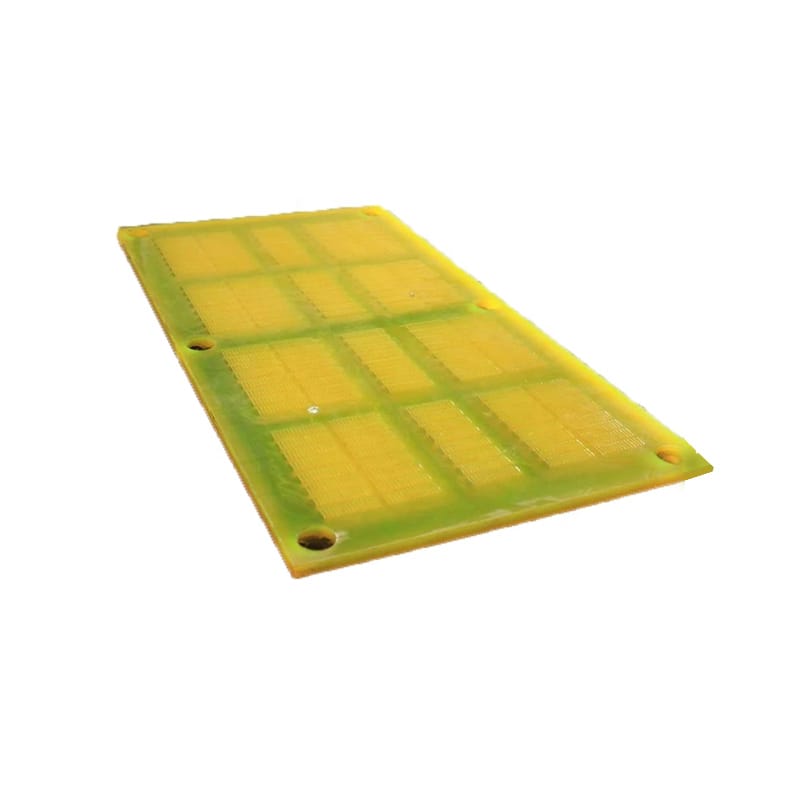
The first question is what the screen needs to do. A polyurethane screen panel for dewatering fine material needs drainage and anti-blinding behavior. A panel for aggregate sizing needs consistent openings and stable material flow. A panel near the feed zone needs stronger impact resistance. These jobs may use similar-looking panels, but the design priorities are different.
Buyers should describe feed material, particle size, moisture, abrasiveness, screen deck position, and the problem with the current panel. If the current polyurethane screen panel fails near the feed end, thickness or support may matter more than aperture changes. If apertures block, slot shape and material flexibility may be more important. Defining the problem prevents a quote from becoming a simple size copy.
In daily operation, the same vibrating screen may see different material behavior as moisture, feed rate, and particle shape change. That is why a polyurethane screen panel should not be evaluated only on the first day of installation. Buyers should ask maintenance teams whether the panel keeps apertures open after several shifts, whether material builds up near the feed end, and whether the deck still separates material consistently when conditions are less ideal.
Aperture, Open Area, and Material Flow
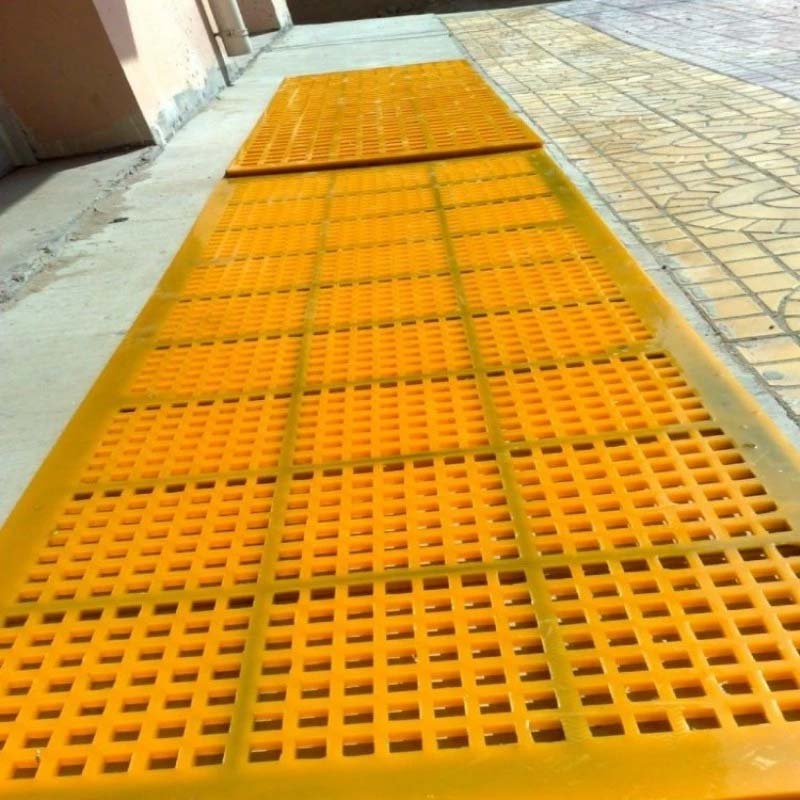
Aperture design determines how material passes through the screen. Square holes, slotted openings, and custom patterns behave differently. Slot direction can matter when the screen handles wet fines or elongated particles. Higher open area may improve capacity, but it can also reduce support if the panel structure is too light. A polyurethane screen panel should balance open area with strength.
For broader context, readers can review mechanical screening, polyurethane, vibration, and aggregate. Huadao also provides the related polyurethane screen panel product page for custom sizing.
The relationship between open area and wear life is a real design trade-off. A more open polyurethane screen panel may increase throughput but reduce support around each aperture. A heavier panel may last longer but lower capacity or become harder to install. Good sourcing decisions make this trade-off visible instead of hiding it behind a generic request for a wear-resistant panel.
The supplier also needs to know whether the main goal is longer wear life, better screening accuracy, less blinding, easier replacement, or lower noise. These goals can conflict. A polyurethane screen panel designed mainly for long wear life may not have the same open area as a panel optimized for capacity.
| Screening Goal | Design Point | Practical Effect |
|---|---|---|
| Dewatering | Slot direction and drainage path | Improves water removal and reduces blockage. |
| Sizing | Aperture accuracy | Supports consistent particle separation. |
| Impact zone | Thickness and reinforcement | Helps resist feed-end damage. |
| Sticky material | Panel flexibility | Can reduce blinding when selected correctly. |
Deck Fit and Fastening Details
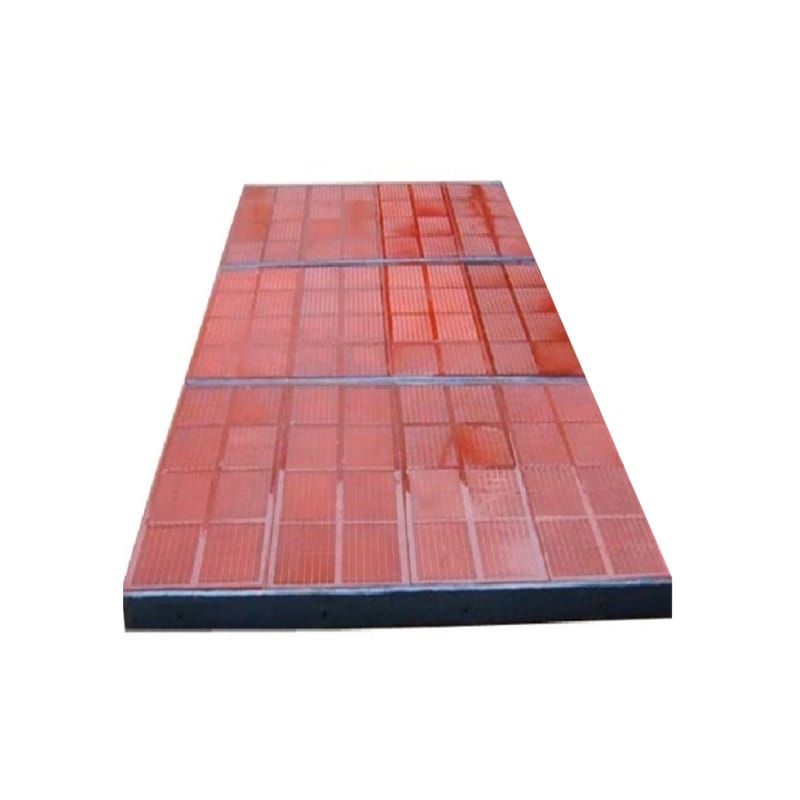
A polyurethane screen panel must fit the screen deck securely. The drawing should show length, width, thickness, fixing holes, edge profile, slot direction, and any reinforcement ribs. If the panel is modular, the locking or fastening style must match the existing deck. A loose panel can vibrate, wear its edges, and damage the deck even if the material is suitable.
Do not rely only on a worn sample. Used panels may stretch, thin out, or lose original edge shape. If a sample is the only reference, send photos of the installed panel, deck support, feed direction, and worn areas. Huadao can also support adjacent custom parts through custom PU rubber parts and customized rubber and plastic parts.
If the screen deck uses several panel types, label the position of each sample before sending it to the supplier. A feed-end panel, middle-deck panel, and discharge-end panel may have different wear patterns even when the outside dimensions match. Position information helps the manufacturer decide whether one polyurethane screen panel design can serve all positions or whether different zones need different structures.
Sample approval should include more than a visual check. The buyer should confirm deck fit, fastening stability, aperture direction, and whether the panel sits flat before judging screening performance. If a polyurethane screen panel is approved only because the outside dimensions look correct, problems may appear later during vibration and material flow.
Wear Review and Maintenance Access
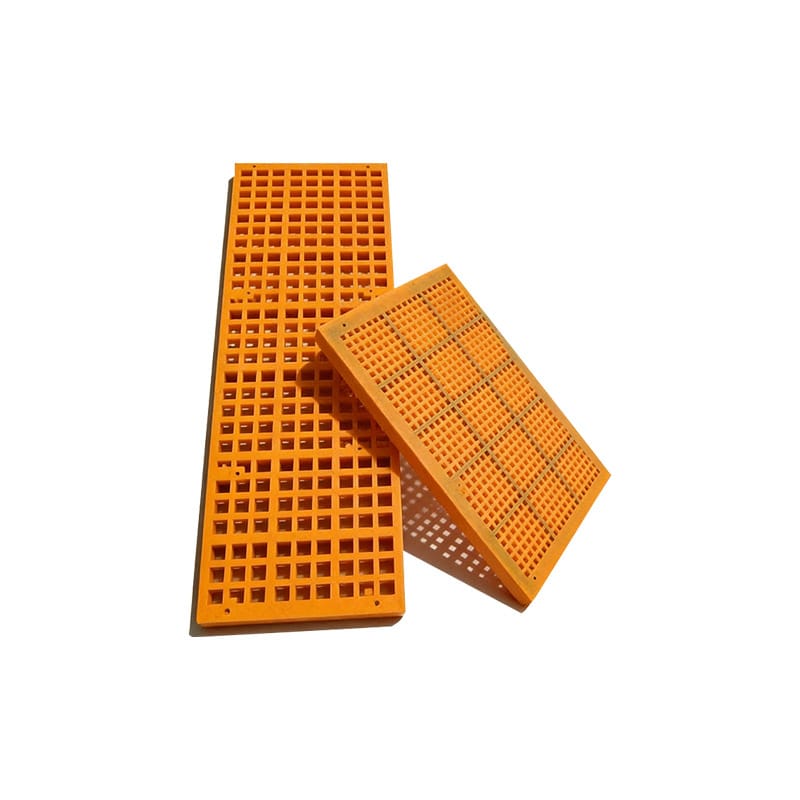
A useful wear review looks at both the top and underside of the polyurethane screen panel. Polished surfaces may indicate abrasion. Torn feed-end areas may indicate impact. Deformed apertures may suggest too much flex or insufficient support. Underside wear may show contact with the deck. These clues help improve the next panel instead of repeating the same failure.
Maintenance access is also part of performance. If a panel lasts longer but takes too long to replace, downtime may still be high. Buyers should consider whether workers can remove the panel safely, inspect fastening points, and identify wear before failure. The best polyurethane screen panel design balances screening result, wear life, and practical replacement.
Maintenance planning should include the expected inspection method. Some plants judge panel life by visible wear, while others track screening quality, flow rate, or downtime. The more clearly the buyer defines the replacement trigger, the easier it is to design a polyurethane screen panel that meets the actual maintenance goal rather than only looking durable in a product photo.
For plants with more than one screen deck, it is useful to record where each polyurethane screen panel is installed. Panels from different deck positions can wear differently even when the size is the same. Keeping installation notes helps the buyer improve future orders and avoid assuming that one wear pattern represents the whole machine.
Concise Quote Checklist
For a useful quote, send panel dimensions, aperture size and shape, slot direction, thickness, fixing method, feed material, moisture level, deck photos, quantity, and the performance goal. If the current polyurethane screen panel failed, include photos and explain where the wear starts.
Keep the checklist focused. The supplier does not need a long generic explanation; it needs the working conditions that affect design. A clear inquiry helps turn a polyurethane screen panel from a simple replacement part into a more reliable screening component.
A final review should confirm the drawing revision, aperture direction, tolerance for critical dimensions, and whether the supplier should copy the current design or improve it. This keeps the quotation focused and prevents misunderstanding when a polyurethane screen panel is ordered again months later.
After sample approval, keep one approved polyurethane screen panel photo set with the drawing revision. This gives purchasing, maintenance, and the supplier the same reference for future orders and reduces confusion when similar panels are used on different screen decks.
That shared reference is especially helpful when multiple screen sizes are ordered together.