Table of Contents
Introduction
Industrial machines are constantly exposed to vibration, impact, compression, and repeated movement. Over time, these forces can cause metal parts to loosen, equipment frames to fatigue, bearings to wear faster, and operating noise to increase. For factories, equipment manufacturers, and maintenance teams, these problems do not only affect machine performance. They can also lead to downtime, higher maintenance costs, and shorter equipment service life.
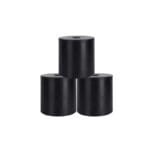
Rubber buffer springs are designed to solve this problem by absorbing shock and reducing vibration between mechanical components. They provide a flexible cushioning layer where rigid metal contact would otherwise create impact damage. In heavy-duty machinery, vibrating systems, transport equipment, construction machinery, and industrial production lines, the right rubber buffer spring can help equipment run more smoothly and reliably.
For B2B buyers, choosing a rubber buffer spring should not only depend on size or appearance. Material type, hardness, compression behavior, load capacity, working temperature, and installation structure all influence actual performance. This article explains how rubber buffer springs work, where they are used, and how to choose the right solution for industrial applications.
What Is a Rubber Buffer Spring?
A rubber buffer spring is a molded rubber component used to absorb impact force, reduce vibration, and protect machinery from direct collision between rigid parts. When pressure is applied, the rubber compresses and absorbs part of the energy. After the force is released, it returns toward its original shape.
Unlike a rigid spacer or metal block, a rubber buffer spring provides both elasticity and damping. This means it does not simply support a load. It also helps reduce the vibration energy transferred through the machine structure.
In industrial equipment, rubber buffer springs are often installed between frames, moving assemblies, support points, impact zones, or vibration-sensitive areas. They are commonly used where equipment needs flexible protection against repeated mechanical stress.
Why Shock Absorption Matters in Industrial Equipment
Many machines do not fail suddenly. Instead, small impacts and vibrations accumulate over time. A conveyor system may develop unstable movement. A vibrating screen may transfer excessive force to its support frame. A lifting mechanism may create repeated impact at the end of travel. Construction or agricultural machinery may suffer from strong vibration during outdoor operation.
Without proper shock absorption, equipment may experience loose fasteners, cracked welded structures, worn shafts, damaged bearings, abnormal noise, and unstable operation. These issues often increase maintenance frequency and reduce production efficiency.
A rubber buffer spring helps control these forces before they reach critical components. By cushioning impact and limiting vibration transfer, it protects the equipment structure and supports more stable long-term operation.
How Rubber Buffer Springs Work
Rubber buffer springs work through elastic compression and recovery. When a load or impact force presses against the rubber, the material deforms. During this deformation, part of the mechanical energy is absorbed by the rubber. When the pressure decreases, the rubber rebounds and gradually returns toward its original form.
This process helps reduce sudden impact force. Instead of allowing hard metal-to-metal contact, the rubber buffer creates a controlled cushioning effect.
The key advantage of rubber is that it provides damping as well as elasticity. A metal spring can store and release energy efficiently, but it may also transmit vibration. Rubber absorbs part of that energy, which helps reduce rebound shock, vibration transmission, and operating noise.
Main Benefits of Rubber Buffer Springs
Better Impact Protection
The primary function of a rubber buffer spring is to reduce impact force. In equipment with repeated movement, stopping points, loading actions, or vibration cycles, rubber buffers protect mechanical structures from sudden stress.
This is especially important in machines where rigid contact would quickly damage frames, brackets, guide rails, or connected parts.
Reduced Vibration Transmission
Industrial equipment often produces vibration during operation. If vibration is transferred directly through the machine frame, it can affect nearby components and reduce stability. Rubber buffer springs help isolate vibration at key contact points, making the equipment operate more smoothly.
In vibrating screens, conveyor systems, motors, heavy-duty machinery, and support structures, this vibration-control function is often one of the most important reasons for using rubber buffer springs.
Lower Noise During Operation
Noise is a common issue in industrial environments. When metal parts collide or vibrate against each other, the sound can become loud and continuous. Rubber buffer springs create a flexible contact layer that reduces direct impact noise and vibration-related sound.
For equipment used in workshops, production lines, and enclosed industrial spaces, this can improve the working environment and reduce unnecessary mechanical noise.
Longer Equipment Service Life
Repeated impact can shorten the life of expensive machinery components. Rubber buffer springs protect connected parts by reducing shock load and mechanical stress. This can help extend the service life of frames, bearings, bolts, shafts, support structures, and moving assemblies.
For industrial buyers, this means fewer replacement parts, fewer unexpected repairs, and more reliable equipment operation.
Easier Maintenance
Rubber buffer springs are usually easier to replace than large mechanical components. When properly selected, they act as protective wear parts that absorb stress before it damages more expensive equipment structures.
This makes them practical for maintenance planning, especially in factories and machinery fleets that require consistent operation.
Common Industrial Applications
Rubber buffer springs are widely used in machinery where vibration, impact, or repeated compression must be controlled. In industrial machinery, they are often installed at support points or contact areas to reduce mechanical stress and prevent direct collision between moving parts.
For heavy-duty equipment used in construction, mining, lifting, and material handling applications, rubber buffer springs help absorb stronger impact forces and protect structural components from long-term fatigue. They can also support equipment stability where machines operate under heavy load or uneven working conditions.
In vibrating screens and conveyor systems, rubber buffer springs help control vibration transfer and reduce stress on the frame. These systems often operate continuously, so a stable cushioning component is important for smoother movement and lower maintenance risk.
Rubber buffer springs are also used in vehicle suspension-related components, agricultural machinery, industrial presses, mechanical protection devices, and equipment end-stop systems. In these applications, the rubber part works as a protective buffer between load-bearing structures and moving components.
Rubber Buffer Springs vs Metal Springs
Rubber buffer springs and metal springs are both used for mechanical cushioning, but they are not the same. A metal spring is strong in rebound force and elastic support, while rubber provides both cushioning and damping. This difference makes rubber especially useful where vibration reduction and noise control are required.
| Comparison Item | Rubber Buffer Spring | Metal Spring |
|---|---|---|
| Shock Absorption | Strong cushioning and damping | Strong elastic rebound |
| Vibration Control | Good vibration isolation | May transmit vibration |
| Noise Reduction | Helps reduce impact noise | May create metal noise |
| Corrosion Resistance | Does not rust | May require anti-rust protection |
| Maintenance | Simple replacement | May require inspection or lubrication |
| Shape Flexibility | Can be custom molded | Limited by spring structure |
| Best Use | Impact cushioning, damping, vibration reduction | Elastic return, mechanical force storage |
In many industrial designs, rubber buffer springs are not used to completely replace metal springs. Instead, they are selected where damping, impact protection, and vibration isolation are more important than rebound force alone.
Types of Rubber Buffer Springs
Rubber buffer springs can be designed in different shapes according to installation structure, compression direction, and working load.
| Type | Main Feature | Suitable Application |
|---|---|---|
| Cylindrical Rubber Buffer Spring | Simple structure and stable compression | General machinery and equipment protection |
| Conical Rubber Buffer Spring | Progressive compression behavior | Heavy-duty cushioning and vibration systems |
| Rubber-Metal Buffer Spring | Rubber bonded with metal plate or insert | Equipment mounts and structural shock absorption |
| Hollow Rubber Buffer | Flexible deformation and lower weight | Medium-load cushioning applications |
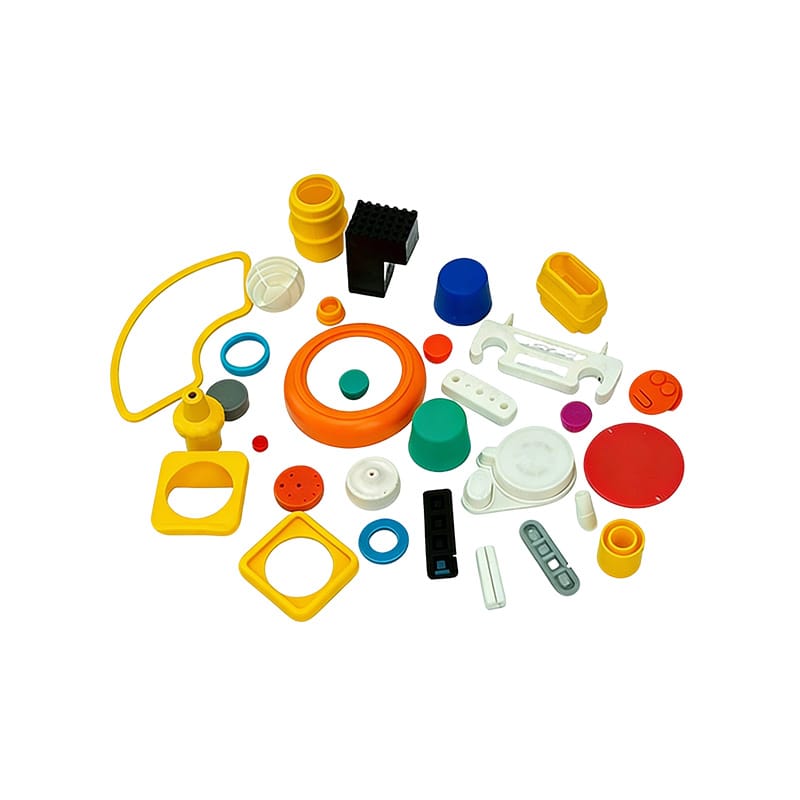
| Custom Molded Rubber Spring | Designed according to drawings or samples | OEM machinery and special equipment |
For machinery manufacturers and industrial buyers, custom molded rubber buffer springs are often the most suitable option when standard sizes cannot meet installation or performance requirements.
Key Factors When Choosing Rubber Buffer Springs
Load Capacity
The rubber buffer spring must be selected according to the actual load condition. This includes static load, dynamic load, impact force, working frequency, and maximum compression range.
If the load is too high, the rubber may deform excessively or fail early. If the load is too low, the buffer may not compress enough to provide effective cushioning. A suitable design should balance support strength and shock absorption.
Rubber Hardness
Rubber hardness directly affects compression and cushioning behavior. Softer rubber provides more flexible deformation and better gentle cushioning. Harder rubber supports higher loads and offers stronger structural resistance.
However, higher hardness is not always better. If the rubber is too hard, it may not absorb enough impact. If it is too soft, it may compress too much and lose support. The correct hardness depends on equipment load, movement range, and expected damping performance.
Rubber Material
Different rubber materials perform differently under heat, oil, outdoor weather, abrasion, and chemical exposure. Material selection should always match the working environment.
| Rubber Material | Main Advantage | Common Use |
|---|---|---|
| Natural Rubber | Good elasticity and tensile strength | General vibration and shock absorption |
| SBR Rubber | Good abrasion resistance | General industrial rubber parts |
| NBR Rubber | Oil and grease resistance | Machinery exposed to lubricants or hydraulic oil |
| EPDM Rubber | Weather, ozone, and aging resistance | Outdoor equipment and weather-exposed parts |
| Neoprene Rubber | Balanced oil, weather, and aging resistance | Industrial cushioning and protective parts |
| Silicone Rubber | High and low temperature resistance | Special temperature environments |
For example, NBR is more suitable when the rubber buffer spring may contact oil or grease, while EPDM is preferred for outdoor use where ozone and weather resistance are important.
Compression Performance
A rubber buffer spring must compress within a controlled range. Excessive compression can cause permanent deformation or reduce service life. Insufficient compression may fail to absorb enough impact.
For important applications, buyers should consider the compression curve, deformation range, rebound behavior, and working cycle of the rubber part.
Working Temperature
Temperature has a direct impact on rubber performance. High temperature may accelerate aging or softening, while low temperature may reduce elasticity. Equipment used outdoors, near engines, near heating systems, or in cold environments requires careful material selection.
Oil and Chemical Exposure
Industrial machines may be exposed to lubricating oil, hydraulic oil, fuel, cleaning agents, water, dust, and other substances. If the rubber material is not compatible with the environment, it may swell, crack, harden, or lose elasticity.
Before ordering rubber buffer springs, buyers should clearly confirm whether the part will contact oil, chemicals, water, or outdoor conditions.
Installation Method
Installation structure affects product design. Some rubber buffer springs are installed by simple compression, while others require bolt holes, metal plates, threaded inserts, bonded metal parts, or special mounting structures.
For custom production, installation details should be confirmed before mold development to avoid assembly problems.
Why Custom Rubber Buffer Springs Are Often Better
Standard rubber buffer springs can work for common applications, but industrial equipment often has unique requirements. The installation space may be limited. The load may be higher than normal. The machine may need special hardness, oil resistance, outdoor durability, or metal-bonded structure.
Custom rubber buffer springs allow the product to be designed around the actual equipment instead of forcing the equipment to adapt to a standard part.
Customization can include product size, shape, hardness, rubber material, compression requirement, color, mounting holes, metal inserts, metal plates, and surface finish. For OEM machinery manufacturers, this helps improve assembly fit, performance consistency, and long-term reliability.
Manufacturing Process of Rubber Buffer Springs
Requirement Confirmation
The process usually begins with drawings, samples, photos, or application details. The manufacturer needs to understand the product size, rubber material, hardness, quantity, working environment, and performance requirements.
If the buyer does not have a complete drawing, a sample or detailed application description can help the manufacturer recommend a workable solution.
Mold Design
For custom rubber buffer springs, mold design is a critical step. The mold must consider product structure, shrinkage, parting line, demolding method, and dimensional control. A good mold helps ensure stable production quality and consistent product shape.
Rubber Compound Preparation
The rubber compound is prepared according to the required material and performance. Different formulas may be used to improve elasticity, oil resistance, aging resistance, abrasion resistance, or compression behavior.
Molding Production
Rubber buffer springs are usually produced through rubber molding processes. During production, temperature, pressure, curing time, and mold condition must be controlled carefully. Poor process control may lead to bubbles, cracks, unstable hardness, or dimensional deviation.
Trimming and Finishing
After molding, excess flash is removed. The product is then checked for surface appearance, shape, and basic dimensional accuracy. For rubber-metal bonded parts, bonding quality also needs attention.
Quality Inspection
Inspection may include dimensions, hardness, appearance, compression behavior, material confirmation, and bonding strength if metal parts are included. For critical equipment applications, additional testing may be required according to the buyer’s standards.
Quality Control Points for Industrial Rubber Buffer Springs
For industrial use, a rubber buffer spring must be consistent from batch to batch. Small differences in hardness, material, or size may affect equipment performance.
Important quality control points include accurate dimensions, stable rubber hardness, proper material selection, smooth surface finish, controlled flash, no serious cracks or bubbles, consistent compression behavior, and reliable bonding strength for rubber-metal products.
Packaging is also important. Rubber parts should be packed properly to avoid deformation, contamination, or unnecessary compression during storage and transportation.
Information Buyers Should Provide Before Ordering
To improve quotation accuracy and avoid production errors, buyers should provide clear technical information before ordering.
Useful information includes product drawings, samples, dimensions, tolerance requirements, rubber material, hardness, working temperature, load condition, compression range, installation method, contact with oil or chemicals, outdoor exposure, quantity, and any required inspection standards.
If drawings are not available, clear photos from multiple angles, basic measurements, and application information can also help the manufacturer evaluate the product.
Common Buying Mistakes to Avoid
Choosing Only by Price
A rubber buffer spring is a functional component, not just a simple rubber block. A low-cost product with the wrong material or hardness may fail quickly and cause more expensive equipment problems later.
Ignoring Working Conditions
The same rubber part may perform well in one machine but fail in another. Load, vibration frequency, oil exposure, temperature, and outdoor conditions all affect service life.
Using the Wrong Hardness
Hardness affects both cushioning and support. If the rubber is too soft, it may collapse under load. If it is too hard, it may not provide enough shock absorption.
Skipping Sample Testing
For custom rubber buffer springs, sample testing is important before mass production. It helps confirm installation fit, compression behavior, and actual working performance.
Providing Incomplete Technical Details
Missing information about dimensions, material, hardness, or application conditions may lead to wrong product selection. Clear communication at the beginning can prevent many quality problems.
How Rubber Buffer Springs Reduce Maintenance Costs
Rubber buffer springs help reduce maintenance costs by protecting more expensive mechanical components from impact and vibration damage. When installed correctly, they absorb stress before it reaches frames, bearings, shafts, support brackets, and fastening systems.
In production environments, this can reduce unplanned downtime, lower replacement frequency, and improve equipment reliability. For equipment manufacturers, using the right rubber buffer spring can also improve product quality and reduce after-sales problems.
Why Work With a Custom Rubber Product Manufacturer
A professional custom rubber product manufacturer can support more than basic production. For B2B buyers, the real value lies in material selection, mold development, stable batch production, and application-based technical support.
A qualified supplier should be able to produce according to drawings or samples, recommend suitable rubber materials, support custom mold development, control hardness and dimensions, produce rubber-metal bonded parts when needed, and maintain stable quality for repeat orders.
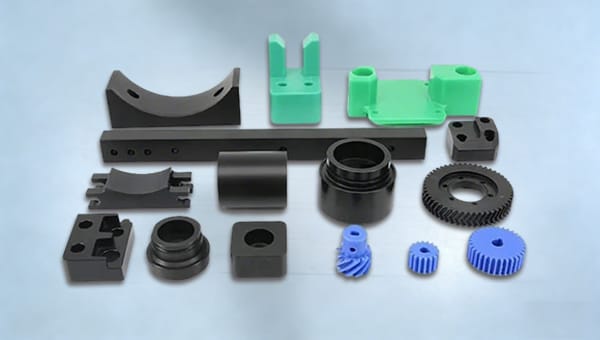
For companies that need rubber buffer springs, rubber molded parts, suction cups, seals, gaskets, bushings, or other industrial rubber products, working with a manufacturer that understands custom rubber applications can make purchasing more efficient and reliable.
Conclusion
Rubber buffer springs are essential components for industrial shock absorption and vibration control. They help reduce impact force, isolate vibration, lower noise, protect equipment structures, and extend machinery service life.
When choosing a rubber buffer spring, buyers should consider load capacity, rubber hardness, material type, compression behavior, temperature resistance, oil resistance, installation method, and customization requirements. A properly designed rubber buffer spring can improve equipment stability and reduce long-term maintenance risk.
For OEM equipment manufacturers, industrial machinery users, and maintenance companies, custom rubber buffer springs provide a practical and reliable solution for demanding mechanical applications.
FAQ
What is a rubber buffer spring used for?
A rubber buffer spring is used to absorb shock, reduce vibration, protect equipment parts, lower noise, and prevent direct impact between rigid mechanical components.
How do I choose the right rubber buffer spring?
You should consider load capacity, rubber hardness, rubber material, compression range, working temperature, oil exposure, installation method, and the actual working environment.
Are rubber buffer springs better than metal springs?
Rubber buffer springs are better for damping, vibration isolation, and noise reduction. Metal springs are better for strong rebound force. The right choice depends on the equipment design.
Can rubber buffer springs be customized?
Yes. Rubber buffer springs can be customized by size, shape, hardness, material, mounting structure, metal insert, compression requirement, and application conditions.
Which rubber material is best for buffer springs?
Natural rubber is often used for general elasticity and shock absorption. NBR is suitable for oil exposure, EPDM is suitable for outdoor use, and neoprene provides balanced industrial performance.