বিষয়বস্তুর সারণী
ভূমিকা
শিল্প মেশিন ক্রমাগত কম্পন, প্রভাব, কম্প্রেশন, এবং বারবার আন্দোলনের সংস্পর্শে আসে। সময়ের সাথে সাথে, এই শক্তিগুলি ধাতব অংশগুলিকে আলগা করতে, সরঞ্জামের ফ্রেমগুলিকে ক্লান্ত করতে, বিয়ারিংগুলিকে দ্রুত পরিধান করতে এবং অপারেটিং শব্দ বৃদ্ধির কারণ হতে পারে। কারখানা, সরঞ্জাম প্রস্তুতকারক এবং রক্ষণাবেক্ষণ দলগুলির জন্য, এই সমস্যাগুলি কেবল মেশিনের কার্যকারিতাকে প্রভাবিত করে না। তারা ডাউনটাইম, উচ্চ রক্ষণাবেক্ষণ খরচ, এবং ছোট সরঞ্জাম পরিষেবা জীবন হতে পারে।.
রাবার বাফার স্প্রিংগুলি শক শোষণ করে এবং যান্ত্রিক উপাদানগুলির মধ্যে কম্পন হ্রাস করে এই সমস্যাটি সমাধান করার জন্য ডিজাইন করা হয়েছে। তারা একটি নমনীয় কুশনিং স্তর প্রদান করে যেখানে অনমনীয় ধাতব যোগাযোগ অন্যথায় প্রভাবের ক্ষতি তৈরি করবে। ভারী-শুল্ক যন্ত্রপাতি, কম্পন সিস্টেম, পরিবহন সরঞ্জাম, নির্মাণ যন্ত্রপাতি, এবং শিল্প উত্পাদন লাইনে, সঠিক রাবার বাফার স্প্রিং সরঞ্জামগুলিকে আরও মসৃণ এবং নির্ভরযোগ্যভাবে চলতে সাহায্য করতে পারে।.
B2B ক্রেতাদের জন্য, একটি রাবার বাফার স্প্রিং নির্বাচন করা শুধুমাত্র আকার বা চেহারার উপর নির্ভর করা উচিত নয়। উপাদানের ধরন, কঠোরতা, কম্প্রেশন আচরণ, লোড ক্ষমতা, কাজের তাপমাত্রা এবং ইনস্টলেশন কাঠামো সবই প্রকৃত কর্মক্ষমতা প্রভাবিত করে। এই নিবন্ধটি ব্যাখ্যা করে যে রাবার বাফার স্প্রিংগুলি কীভাবে কাজ করে, কোথায় ব্যবহার করা হয় এবং কীভাবে শিল্প অ্যাপ্লিকেশনের জন্য সঠিক সমাধান বেছে নেওয়া যায়।.
কি একটি রাবার বাফার স্প্রিং?
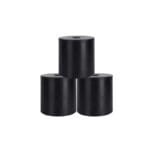
একটি রাবার বাফার স্প্রিং হল একটি ঢালাই করা রাবার উপাদান যা প্রভাব বল শোষণ করতে, কম্পন কমাতে এবং শক্ত অংশগুলির মধ্যে সরাসরি সংঘর্ষ থেকে যন্ত্রপাতিকে রক্ষা করতে ব্যবহৃত হয়। যখন চাপ প্রয়োগ করা হয়, রাবার শক্তির কিছু অংশ সংকুচিত করে এবং শোষণ করে। বল মুক্তির পর, এটি তার আসল আকৃতির দিকে ফিরে আসে।.
একটি অনমনীয় স্পেসার বা ধাতব ব্লকের বিপরীতে, একটি রাবার বাফার স্প্রিং স্থিতিস্থাপকতা এবং স্যাঁতসেঁতে উভয়ই প্রদান করে। এর মানে এটি কেবল একটি লোড সমর্থন করে না। এটি মেশিনের কাঠামোর মাধ্যমে স্থানান্তরিত কম্পন শক্তি কমাতেও সাহায্য করে।.
শিল্প সরঞ্জামগুলিতে, রাবার বাফার স্প্রিংগুলি প্রায়শই ফ্রেম, চলন্ত সমাবেশ, সমর্থন পয়েন্ট, প্রভাব অঞ্চল বা কম্পন-সংবেদনশীল এলাকার মধ্যে ইনস্টল করা হয়। এগুলি সাধারণত ব্যবহৃত হয় যেখানে সরঞ্জামগুলির বারবার যান্ত্রিক চাপের বিরুদ্ধে নমনীয় সুরক্ষা প্রয়োজন।.
কেন শিল্প সরঞ্জামে শক শোষণ বিষয়
অনেক মেশিন হঠাৎ ব্যর্থ হয় না। পরিবর্তে, ছোট প্রভাব এবং কম্পন সময়ের সাথে জমা হয়। একটি পরিবাহক সিস্টেম অস্থির আন্দোলন বিকাশ করতে পারে। একটি কম্পনকারী পর্দা তার সমর্থন ফ্রেমে অত্যধিক বল স্থানান্তর করতে পারে। একটি উত্তোলন প্রক্রিয়া ভ্রমণ শেষে বারবার প্রভাব তৈরি করতে পারে। নির্মাণ বা কৃষি যন্ত্রপাতি বহিরঙ্গন অপারেশন সময় শক্তিশালী কম্পন ভোগ করতে পারে।.
সঠিক শক শোষণ ছাড়া, সরঞ্জামগুলি আলগা ফাস্টেনার, ফাটল ঢালাই কাঠামো, জীর্ণ শ্যাফ্ট, ক্ষতিগ্রস্ত বিয়ারিং, অস্বাভাবিক শব্দ এবং অস্থির অপারেশন অনুভব করতে পারে। এই সমস্যাগুলি প্রায়ই রক্ষণাবেক্ষণের ফ্রিকোয়েন্সি বাড়ায় এবং উত্পাদন দক্ষতা হ্রাস করে।.
একটি রাবার বাফার স্প্রিং এই শক্তিগুলিকে গুরুত্বপূর্ণ উপাদানগুলিতে পৌঁছানোর আগে নিয়ন্ত্রণ করতে সহায়তা করে। কুশনিং প্রভাব এবং কম্পন স্থানান্তর সীমিত করে, এটি সরঞ্জামের কাঠামোকে রক্ষা করে এবং আরও স্থিতিশীল দীর্ঘমেয়াদী অপারেশনকে সমর্থন করে।.
রাবার বাফার স্প্রিংস কিভাবে কাজ করে
রাবার বাফার স্প্রিংস ইলাস্টিক কম্প্রেশন এবং পুনরুদ্ধারের মাধ্যমে কাজ করে। যখন একটি লোড বা প্রভাব বল রাবারের বিরুদ্ধে চাপ দেয়, তখন উপাদানটি বিকৃত হয়ে যায়। এই বিকৃতির সময়, যান্ত্রিক শক্তির অংশ রাবার দ্বারা শোষিত হয়। যখন চাপ কমে যায়, রাবার রিবাউন্ড করে এবং ধীরে ধীরে তার আসল রূপের দিকে ফিরে আসে।.
এই প্রক্রিয়া আকস্মিক প্রভাব বল কমাতে সাহায্য করে। শক্ত ধাতু থেকে ধাতু যোগাযোগের অনুমতি দেওয়ার পরিবর্তে, রাবার বাফার একটি নিয়ন্ত্রিত কুশনিং প্রভাব তৈরি করে।.
রাবারের মূল সুবিধা হল এটি স্যাঁতসেঁতে এবং স্থিতিস্থাপকতা প্রদান করে। একটি ধাতব স্প্রিং দক্ষতার সাথে শক্তি সঞ্চয় এবং ছেড়ে দিতে পারে, তবে এটি কম্পন প্রেরণও করতে পারে। রাবার সেই শক্তির কিছু অংশ শোষণ করে, যা রিবাউন্ড শক, কম্পন সংক্রমণ এবং অপারেটিং শব্দ কমাতে সাহায্য করে।.
রাবার বাফার স্প্রিংসের প্রধান সুবিধা
বেটার ইমপ্যাক্ট প্রোটেকশন
রাবার বাফার স্প্রিং এর প্রাথমিক কাজ হল প্রভাব বল কমানো। বারবার নড়াচড়া, স্টপিং পয়েন্ট, লোডিং অ্যাকশন বা কম্পন চক্র সহ সরঞ্জামগুলিতে, রাবার বাফারগুলি যান্ত্রিক কাঠামোকে আকস্মিক চাপ থেকে রক্ষা করে।.
এটি মেশিনগুলিতে বিশেষভাবে গুরুত্বপূর্ণ যেখানে কঠোর যোগাযোগ দ্রুত ফ্রেম, বন্ধনী, গাইড রেল বা সংযুক্ত অংশগুলিকে ক্ষতিগ্রস্ত করবে।.
কম্পন সংক্রমণ হ্রাস
শিল্প সরঞ্জাম প্রায়ই অপারেশন সময় কম্পন উত্পাদন। যদি কম্পন সরাসরি মেশিন ফ্রেমের মাধ্যমে স্থানান্তরিত হয়, তবে এটি কাছাকাছি উপাদানগুলিকে প্রভাবিত করতে পারে এবং স্থিতিশীলতা হ্রাস করতে পারে। রাবার বাফার স্প্রিংস মূল যোগাযোগের পয়েন্টগুলিতে কম্পনকে বিচ্ছিন্ন করতে সাহায্য করে, যা সরঞ্জামগুলিকে আরও মসৃণভাবে কাজ করে।.
ভাইব্রেটিং স্ক্রিন, কনভেয়র সিস্টেম, মোটর, হেভি-ডিউটি মেশিনারি এবং সাপোর্ট স্ট্রাকচারে, এই কম্পন-নিয়ন্ত্রণ ফাংশনটি প্রায়ই রাবার বাফার স্প্রিংস ব্যবহার করার অন্যতম গুরুত্বপূর্ণ কারণ।.
অপারেশন চলাকালীন নিম্ন শব্দ
শিল্প পরিবেশে গোলমাল একটি সাধারণ সমস্যা। যখন ধাতব অংশগুলি একে অপরের সাথে সংঘর্ষ বা কম্পন করে, তখন শব্দ জোরে এবং অবিচ্ছিন্ন হতে পারে। রাবার বাফার স্প্রিংস একটি নমনীয় যোগাযোগ স্তর তৈরি করে যা সরাসরি প্রভাবের শব্দ এবং কম্পন-সম্পর্কিত শব্দ হ্রাস করে।.
কর্মশালা, উত্পাদন লাইন এবং আবদ্ধ শিল্প স্থানগুলিতে ব্যবহৃত সরঞ্জামগুলির জন্য, এটি কাজের পরিবেশ উন্নত করতে পারে এবং অপ্রয়োজনীয় যান্ত্রিক শব্দ কমাতে পারে।.
দীর্ঘতর সরঞ্জাম পরিষেবা জীবন
বারবার প্রভাব ব্যয়বহুল যন্ত্রপাতি উপাদানের জীবন সংক্ষিপ্ত করতে পারে। রাবার বাফার স্প্রিংস শক লোড এবং যান্ত্রিক চাপ কমিয়ে সংযুক্ত অংশগুলিকে রক্ষা করে। এটি ফ্রেম, বিয়ারিং, বোল্ট, শ্যাফ্ট, সাপোর্ট স্ট্রাকচার এবং চলন্ত অ্যাসেম্বলির পরিষেবা জীবন প্রসারিত করতে সাহায্য করতে পারে।.
শিল্প ক্রেতাদের জন্য, এর অর্থ হল কম প্রতিস্থাপন যন্ত্রাংশ, কম অপ্রত্যাশিত মেরামত, এবং আরও নির্ভরযোগ্য সরঞ্জাম অপারেশন।.
সহজ রক্ষণাবেক্ষণ
রাবার বাফার স্প্রিংগুলি সাধারণত বড় যান্ত্রিক উপাদানগুলির তুলনায় প্রতিস্থাপন করা সহজ। সঠিকভাবে নির্বাচন করা হলে, তারা প্রতিরক্ষামূলক পরিধানের অংশ হিসাবে কাজ করে যা আরও ব্যয়বহুল সরঞ্জাম কাঠামোর ক্ষতি করার আগে চাপ শোষণ করে।.
এটি তাদের রক্ষণাবেক্ষণ পরিকল্পনার জন্য ব্যবহারিক করে তোলে, বিশেষ করে কারখানা এবং যন্ত্রপাতি ফ্লিটগুলিতে যার জন্য ধারাবাহিক অপারেশন প্রয়োজন।.
সাধারণ শিল্প অ্যাপ্লিকেশন
রাবার বাফার স্প্রিংগুলি যন্ত্রপাতিগুলিতে ব্যাপকভাবে ব্যবহৃত হয় যেখানে কম্পন, প্রভাব বা বারবার সংকোচন নিয়ন্ত্রণ করতে হবে। শিল্প যন্ত্রপাতিগুলিতে, যান্ত্রিক চাপ কমাতে এবং চলমান অংশগুলির মধ্যে সরাসরি সংঘর্ষ রোধ করতে এগুলি প্রায়শই সমর্থন পয়েন্ট বা যোগাযোগের জায়গায় ইনস্টল করা হয়।.
নির্মাণ, খনন, উত্তোলন এবং উপাদান পরিচালনার অ্যাপ্লিকেশনগুলিতে ব্যবহৃত ভারী-শুল্ক সরঞ্জামগুলির জন্য, রাবার বাফার স্প্রিংগুলি শক্তিশালী প্রভাব শক্তি শোষণ করতে এবং দীর্ঘমেয়াদী ক্লান্তি থেকে কাঠামোগত উপাদানগুলিকে রক্ষা করতে সহায়তা করে। তারা সরঞ্জামের স্থিতিশীলতাকেও সমর্থন করতে পারে যেখানে মেশিনগুলি ভারী লোড বা অসম কাজের পরিস্থিতিতে কাজ করে।.
ভাইব্রেটিং স্ক্রিন এবং কনভেয়র সিস্টেমে, রাবার বাফার স্প্রিংস কম্পন স্থানান্তর নিয়ন্ত্রণ করতে এবং ফ্রেমের উপর চাপ কমাতে সাহায্য করে। এই সিস্টেমগুলি প্রায়শই অবিচ্ছিন্নভাবে কাজ করে, তাই একটি স্থিতিশীল কুশনিং উপাদান মসৃণ চলাচল এবং কম রক্ষণাবেক্ষণের ঝুঁকির জন্য গুরুত্বপূর্ণ।.
রাবার বাফার স্প্রিংগুলি গাড়ির সাসপেনশন-সম্পর্কিত উপাদান, কৃষি যন্ত্রপাতি, শিল্প প্রেস, যান্ত্রিক সুরক্ষা ডিভাইস এবং সরঞ্জামের শেষ-স্টপ সিস্টেমগুলিতেও ব্যবহৃত হয়। এই অ্যাপ্লিকেশনগুলিতে, রাবারের অংশটি লোড বহনকারী কাঠামো এবং চলমান উপাদানগুলির মধ্যে একটি প্রতিরক্ষামূলক বাফার হিসাবে কাজ করে।.
রাবার বাফার স্প্রিংস বনাম মেটাল স্প্রিংস
রাবার বাফার স্প্রিংস এবং মেটাল স্প্রিংস উভয়ই যান্ত্রিক কুশনিংয়ের জন্য ব্যবহৃত হয়, কিন্তু তারা একই নয়। একটি ধাতব স্প্রিং রিবাউন্ড ফোর্স এবং ইলাস্টিক সাপোর্টে শক্তিশালী, যখন রাবার কুশনিং এবং ড্যাম্পিং উভয়ই প্রদান করে। এই পার্থক্যটি রাবারকে বিশেষভাবে উপযোগী করে তোলে যেখানে কম্পন হ্রাস এবং শব্দ নিয়ন্ত্রণ প্রয়োজন।.
| তুলনা আইটেম | রাবার বাফার স্প্রিং | মেটাল স্প্রিং |
|---|---|---|
| শক শোষণ | শক্তিশালী কুশনিং এবং স্যাঁতসেঁতে | শক্তিশালী ইলাস্টিক রিবাউন্ড |
| কম্পন নিয়ন্ত্রণ | ভাল কম্পন বিচ্ছিন্নতা | কম্পন প্রেরণ করতে পারে |
| শব্দ কমানো | প্রভাব শব্দ কমাতে সাহায্য করে | ধাতব শব্দ তৈরি করতে পারে |
| জারা প্রতিরোধের | মরিচা ধরে না | অ্যান্টি-মরিচা সুরক্ষা প্রয়োজন হতে পারে |
| রক্ষণাবেক্ষণ | সহজ প্রতিস্থাপন | পরিদর্শন বা তৈলাক্তকরণ প্রয়োজন হতে পারে |
| আকৃতির নমনীয়তা | কাস্টম ঢালাই করা যেতে পারে | বসন্ত কাঠামো দ্বারা সীমিত |
| সর্বোত্তম ব্যবহার | প্রভাব কুশনিং, স্যাঁতসেঁতে, কম্পন হ্রাস | ইলাস্টিক রিটার্ন, যান্ত্রিক বল স্টোরেজ |
অনেক শিল্প নকশায়, রাবার বাফার স্প্রিংগুলি সম্পূর্ণরূপে ধাতব স্প্রিংস প্রতিস্থাপন করতে ব্যবহৃত হয় না। পরিবর্তে, এগুলি নির্বাচন করা হয় যেখানে স্যাঁতসেঁতে, প্রভাব সুরক্ষা এবং কম্পন বিচ্ছিন্নতা একা রিবাউন্ড ফোর্সের চেয়ে বেশি গুরুত্বপূর্ণ।.
রাবার বাফার স্প্রিংসের প্রকারভেদ
রাবার বাফার স্প্রিংস ইনস্টলেশন কাঠামো, কম্প্রেশন দিক এবং কাজের লোড অনুযায়ী বিভিন্ন আকারে ডিজাইন করা যেতে পারে।.
| টাইপ করা | প্রধান বৈশিষ্ট্য | উপযুক্ত আবেদন |
|---|---|---|
| নলাকার রাবার বাফার স্প্রিং | সহজ গঠন এবং স্থিতিশীল কম্প্রেশন | সাধারণ যন্ত্রপাতি এবং সরঞ্জাম সুরক্ষা |
| শঙ্কুযুক্ত রাবার বাফার স্প্রিং | প্রগতিশীল কম্প্রেশন আচরণ | হেভি-ডিউটি কুশনিং এবং ভাইব্রেশন সিস্টেম |
| রাবার-ধাতু বাফার বসন্ত | রাবার ধাতব প্লেট বা সন্নিবেশ সঙ্গে বন্ধন | সরঞ্জাম মাউন্ট এবং কাঠামোগত শক শোষণ |
| ফাঁপা রাবার বাফার | নমনীয় বিকৃতি এবং কম ওজন | মাঝারি-লোড কুশনিং অ্যাপ্লিকেশন |
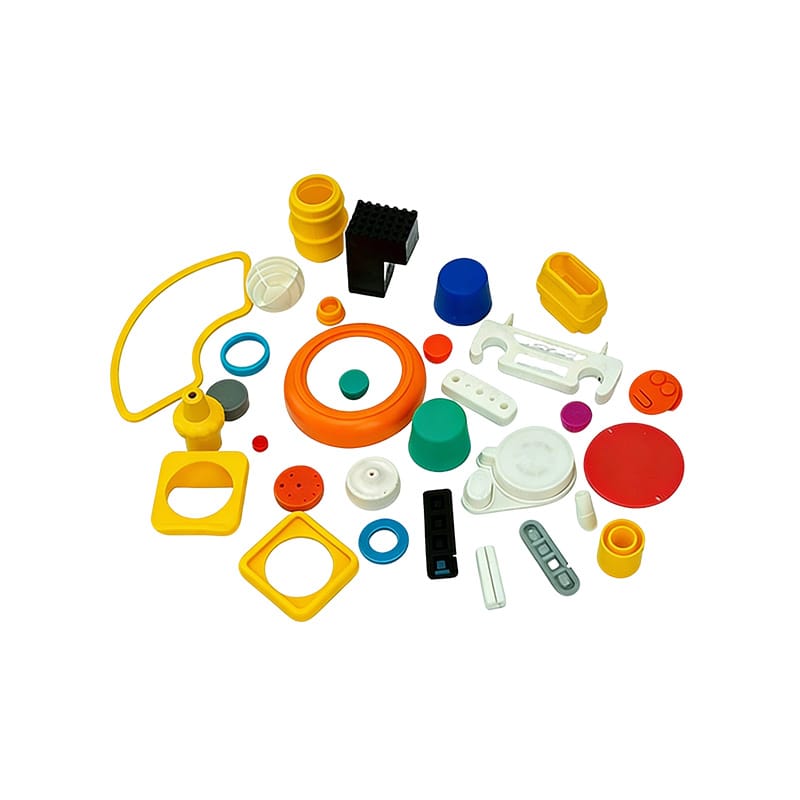
| কাস্টম ঢালাই রাবার বসন্ত | অঙ্কন বা নমুনা অনুযায়ী ডিজাইন করা হয়েছে | OEM যন্ত্রপাতি এবং বিশেষ সরঞ্জাম |
যন্ত্রপাতি প্রস্তুতকারক এবং শিল্প ক্রেতাদের জন্য, কাস্টম মোল্ডেড রাবার বাফার স্প্রিংগুলি প্রায়শই সবচেয়ে উপযুক্ত বিকল্প হয় যখন স্ট্যান্ডার্ড আকারগুলি ইনস্টলেশন বা কর্মক্ষমতা প্রয়োজনীয়তা পূরণ করতে পারে না।.
রাবার বাফার স্প্রিংস নির্বাচন করার সময় মূল কারণগুলি
লোড ক্ষমতা
রাবার বাফার স্প্রিং প্রকৃত লোড অবস্থা অনুযায়ী নির্বাচন করা আবশ্যক। এর মধ্যে রয়েছে স্ট্যাটিক লোড, ডাইনামিক লোড, ইমপ্যাক্ট ফোর্স, ওয়ার্কিং ফ্রিকোয়েন্সি এবং সর্বোচ্চ কম্প্রেশন রেঞ্জ।.
লোড খুব বেশি হলে, রাবার অত্যধিক বিকৃত হতে পারে বা তাড়াতাড়ি ব্যর্থ হতে পারে। লোড খুব কম হলে, বাফার কার্যকর কুশনিং প্রদানের জন্য যথেষ্ট সংকুচিত নাও হতে পারে। একটি উপযুক্ত নকশা সমর্থন শক্তি এবং শক শোষণ ভারসাম্য করা উচিত।.
রাবার কঠোরতা
রাবারের কঠোরতা সরাসরি কম্প্রেশন এবং কুশনিং আচরণকে প্রভাবিত করে। নরম রাবার আরও নমনীয় বিকৃতি এবং ভাল মৃদু কুশনিং প্রদান করে। শক্ত রাবার উচ্চ লোড সমর্থন করে এবং শক্তিশালী কাঠামোগত প্রতিরোধের প্রস্তাব দেয়।.
যাইহোক, উচ্চ কঠোরতা সবসময় ভাল হয় না। রাবার খুব শক্ত হলে, এটি যথেষ্ট প্রভাব শোষণ করতে পারে না। যদি এটি খুব নরম হয়, এটি খুব বেশি সংকুচিত হতে পারে এবং সমর্থন হারাতে পারে। সঠিক কঠোরতা সরঞ্জাম লোড, আন্দোলন পরিসীমা, এবং প্রত্যাশিত স্যাঁতসেঁতে কর্মক্ষমতা উপর নির্ভর করে।.
রাবার উপাদান
বিভিন্ন রাবার উপাদান তাপ, তেল, বাইরের আবহাওয়া, ঘর্ষণ এবং রাসায়নিক এক্সপোজারের অধীনে ভিন্নভাবে কাজ করে। উপাদান নির্বাচন সবসময় কাজের পরিবেশের সাথে মেলে।.
| রাবার উপাদান | প্রধান সুবিধা | সাধারন ব্যবহার |
|---|---|---|
| প্রাকৃতিক রাবার | ভাল স্থিতিস্থাপকতা এবং প্রসার্য শক্তি | সাধারণ কম্পন এবং শক শোষণ |
| এসবিআর রাবার | ভাল ঘর্ষণ প্রতিরোধের | সাধারণ শিল্প রাবার অংশ |
| এনবিআর রাবার | তেল এবং গ্রীস প্রতিরোধের | লুব্রিকেন্ট বা হাইড্রোলিক তেলের সংস্পর্শে থাকা যন্ত্রপাতি |
| EPDM রাবার | আবহাওয়া, ওজোন এবং বার্ধক্য প্রতিরোধের | বহিরঙ্গন সরঞ্জাম এবং আবহাওয়া-উন্মুক্ত অংশ |
| নিওপ্রিন রাবার | সুষম তেল, আবহাওয়া এবং বার্ধক্য প্রতিরোধের | শিল্প কুশনিং এবং প্রতিরক্ষামূলক অংশ |
| সিলিকন রাবার | উচ্চ এবং নিম্ন তাপমাত্রা প্রতিরোধের | বিশেষ তাপমাত্রা পরিবেশ |
উদাহরণস্বরূপ, যখন রাবার বাফার স্প্রিং তেল বা গ্রীসের সাথে যোগাযোগ করতে পারে তখন এনবিআর আরও উপযুক্ত, যখন ওজোন এবং আবহাওয়া প্রতিরোধের গুরুত্বপূর্ণ যেখানে বাইরের ব্যবহারের জন্য EPDM পছন্দ করা হয়।.
কম্প্রেশন কর্মক্ষমতা
একটি রাবার বাফার স্প্রিং একটি নিয়ন্ত্রিত সীমার মধ্যে সংকুচিত করা আবশ্যক। অত্যধিক কম্প্রেশন স্থায়ী বিকৃতি ঘটাতে পারে বা পরিষেবা জীবন হ্রাস করতে পারে। অপর্যাপ্ত কম্প্রেশন যথেষ্ট প্রভাব শোষণ করতে ব্যর্থ হতে পারে।.
গুরুত্বপূর্ণ অ্যাপ্লিকেশনের জন্য, ক্রেতাদের কম্প্রেশন বক্ররেখা, বিকৃতি পরিসীমা, রিবাউন্ড আচরণ এবং রাবার অংশের কাজের চক্র বিবেচনা করা উচিত।.
কাজের তাপমাত্রা
তাপমাত্রা রাবারের কর্মক্ষমতার উপর সরাসরি প্রভাব ফেলে। উচ্চ তাপমাত্রা বার্ধক্য বা নরম হওয়াকে ত্বরান্বিত করতে পারে, যখন নিম্ন তাপমাত্রা স্থিতিস্থাপকতা হ্রাস করতে পারে। বাইরে, ইঞ্জিনের কাছাকাছি, হিটিং সিস্টেমের কাছাকাছি বা ঠান্ডা পরিবেশে ব্যবহৃত সরঞ্জামগুলির জন্য যত্নশীল উপাদান নির্বাচন প্রয়োজন।.
তেল এবং রাসায়নিক এক্সপোজার
শিল্প মেশিনগুলি লুব্রিকেটিং তেল, জলবাহী তেল, জ্বালানী, পরিষ্কারের এজেন্ট, জল, ধুলো এবং অন্যান্য পদার্থের সংস্পর্শে আসতে পারে। রাবার উপাদান পরিবেশের সাথে সামঞ্জস্যপূর্ণ না হলে, এটি ফুলে যেতে পারে, ফাটল, শক্ত হতে পারে বা স্থিতিস্থাপকতা হারাতে পারে।.
রাবার বাফার স্প্রিংস অর্ডার করার আগে, ক্রেতাদের স্পষ্টভাবে নিশ্চিত করা উচিত যে অংশটি তেল, রাসায়নিক, জল বা বাইরের অবস্থার সাথে যোগাযোগ করবে কিনা।.
ইনস্টলেশন পদ্ধতি
ইনস্টলেশন কাঠামো পণ্য নকশা প্রভাবিত করে। কিছু রাবার বাফার স্প্রিং সাধারণ কম্প্রেশন দ্বারা ইনস্টল করা হয়, অন্যদের জন্য বোল্ট গর্ত, ধাতব প্লেট, থ্রেডেড সন্নিবেশ, বন্ডেড ধাতব অংশ বা বিশেষ মাউন্টিং কাঠামোর প্রয়োজন হয়।.
কাস্টম উত্পাদনের জন্য, সমাবেশ সমস্যা এড়াতে ছাঁচ বিকাশের আগে ইনস্টলেশনের বিবরণ নিশ্চিত করা উচিত।.
কেন কাস্টম রাবার বাফার স্প্রিংস প্রায়ই ভাল হয়
স্ট্যান্ডার্ড রাবার বাফার স্প্রিংস সাধারণ অ্যাপ্লিকেশনের জন্য কাজ করতে পারে, কিন্তু শিল্প সরঞ্জাম প্রায়ই অনন্য প্রয়োজনীয়তা আছে। ইনস্টলেশন স্থান সীমিত হতে পারে। লোড স্বাভাবিকের চেয়ে বেশি হতে পারে। মেশিনের বিশেষ কঠোরতা, তেল প্রতিরোধের, বহিরঙ্গন স্থায়িত্ব, বা ধাতু-বন্ধন কাঠামোর প্রয়োজন হতে পারে।.
কাস্টম রাবার বাফার স্প্রিংস পণ্যটিকে একটি আদর্শ অংশের সাথে খাপ খাইয়ে নিতে বাধ্য করার পরিবর্তে প্রকৃত সরঞ্জামের চারপাশে ডিজাইন করার অনুমতি দেয়।.
কাস্টমাইজেশন পণ্যের আকার, আকৃতি, কঠোরতা, রাবার উপাদান, কম্প্রেশন প্রয়োজনীয়তা, রঙ, মাউন্টিং গর্ত, ধাতু সন্নিবেশ, ধাতু প্লেট, এবং পৃষ্ঠ ফিনিস অন্তর্ভুক্ত করতে পারে। OEM যন্ত্রপাতি নির্মাতাদের জন্য, এটি সমাবেশ ফিট, কর্মক্ষমতা সামঞ্জস্য, এবং দীর্ঘমেয়াদী নির্ভরযোগ্যতা উন্নত করতে সাহায্য করে।.
রাবার বাফার স্প্রিংস উত্পাদন প্রক্রিয়া
প্রয়োজনীয়তা নিশ্চিতকরণ
প্রক্রিয়াটি সাধারণত অঙ্কন, নমুনা, ফটো বা অ্যাপ্লিকেশনের বিবরণ দিয়ে শুরু হয়। প্রস্তুতকারককে পণ্যের আকার, রাবার উপাদান, কঠোরতা, পরিমাণ, কাজের পরিবেশ এবং কর্মক্ষমতা প্রয়োজনীয়তা বুঝতে হবে।.
যদি ক্রেতার সম্পূর্ণ অঙ্কন না থাকে, তাহলে একটি নমুনা বা বিস্তারিত আবেদনের বিবরণ প্রস্তুতকারককে একটি কার্যকর সমাধান সুপারিশ করতে সাহায্য করতে পারে।.
ছাঁচ নকশা
কাস্টম রাবার বাফার স্প্রিংসের জন্য, ছাঁচ নকশা একটি গুরুত্বপূর্ণ পদক্ষেপ। ছাঁচকে অবশ্যই পণ্যের গঠন, সংকোচন, বিভাজন লাইন, ডিমোল্ডিং পদ্ধতি এবং মাত্রিক নিয়ন্ত্রণ বিবেচনা করতে হবে। একটি ভাল ছাঁচ স্থিতিশীল উত্পাদন গুণমান এবং সামঞ্জস্যপূর্ণ পণ্য আকৃতি নিশ্চিত করতে সাহায্য করে।.
রাবার যৌগ প্রস্তুতি
রাবার যৌগ প্রয়োজনীয় উপাদান এবং কর্মক্ষমতা অনুযায়ী প্রস্তুত করা হয়। স্থিতিস্থাপকতা, তেল প্রতিরোধের, বার্ধক্য প্রতিরোধের, ঘর্ষণ প্রতিরোধের, বা কম্প্রেশন আচরণ উন্নত করতে বিভিন্ন সূত্র ব্যবহার করা যেতে পারে।.
ছাঁচনির্মাণ উত্পাদন
রাবার বাফার স্প্রিংস সাধারণত রাবার ছাঁচনির্মাণ প্রক্রিয়ার মাধ্যমে উত্পাদিত হয়। উত্পাদনের সময়, তাপমাত্রা, চাপ, নিরাময়ের সময় এবং ছাঁচের অবস্থা সাবধানে নিয়ন্ত্রণ করতে হবে। দুর্বল প্রক্রিয়া নিয়ন্ত্রণ বুদবুদ, ফাটল, অস্থির কঠোরতা বা মাত্রিক বিচ্যুতি হতে পারে।.
ছাঁটাই এবং সমাপ্তি
ছাঁচনির্মাণের পরে, অতিরিক্ত ফ্ল্যাশ সরানো হয়। তারপর পণ্যটি পৃষ্ঠের চেহারা, আকৃতি এবং মৌলিক মাত্রিক নির্ভুলতার জন্য পরীক্ষা করা হয়। রাবার-ধাতু বন্ধন অংশের জন্য, বন্ধন গুণমানও মনোযোগ প্রয়োজন।.
গুণমান পরিদর্শন
পরিদর্শন মাত্রা, কঠোরতা, চেহারা, কম্প্রেশন আচরণ, উপাদান নিশ্চিতকরণ, এবং বন্ধন শক্তি অন্তর্ভুক্ত হতে পারে যদি ধাতব অংশ অন্তর্ভুক্ত করা হয়। সমালোচনামূলক সরঞ্জাম অ্যাপ্লিকেশনের জন্য, ক্রেতার মান অনুযায়ী অতিরিক্ত পরীক্ষার প্রয়োজন হতে পারে।.
শিল্প রাবার বাফার স্প্রিংস জন্য মান নিয়ন্ত্রণ পয়েন্ট
শিল্প ব্যবহারের জন্য, একটি রাবার বাফার স্প্রিং ব্যাচ থেকে ব্যাচ সামঞ্জস্যপূর্ণ হতে হবে। কঠোরতা, উপাদান, বা আকারের ছোট পার্থক্য সরঞ্জাম কর্মক্ষমতা প্রভাবিত করতে পারে।.
গুরুত্বপূর্ণ মান নিয়ন্ত্রণ পয়েন্টগুলির মধ্যে রয়েছে সঠিক মাত্রা, স্থিতিশীল রাবারের কঠোরতা, সঠিক উপাদান নির্বাচন, মসৃণ পৃষ্ঠের ফিনিস, নিয়ন্ত্রিত ফ্ল্যাশ, কোনও গুরুতর ফাটল বা বুদবুদ নেই, সামঞ্জস্যপূর্ণ কম্প্রেশন আচরণ এবং রাবার-ধাতু পণ্যগুলির জন্য নির্ভরযোগ্য বন্ধন শক্তি।.
প্যাকেজিংও গুরুত্বপূর্ণ। স্টোরেজ এবং পরিবহনের সময় বিকৃতি, দূষণ বা অপ্রয়োজনীয় সংকোচন এড়াতে রাবারের অংশগুলি সঠিকভাবে প্যাক করা উচিত।.
অর্ডার করার আগে তথ্য ক্রেতাদের প্রদান করা উচিত
উদ্ধৃতি নির্ভুলতা উন্নত করতে এবং উত্পাদন ত্রুটি এড়াতে, ক্রেতাদের অর্ডার করার আগে স্পষ্ট প্রযুক্তিগত তথ্য প্রদান করা উচিত।.
দরকারী তথ্যের মধ্যে রয়েছে পণ্যের অঙ্কন, নমুনা, মাত্রা, সহনশীলতার প্রয়োজনীয়তা, রাবার উপাদান, কঠোরতা, কাজের তাপমাত্রা, লোডের অবস্থা, কম্প্রেশন পরিসীমা, ইনস্টলেশন পদ্ধতি, তেল বা রাসায়নিকের সাথে যোগাযোগ, বহিরঙ্গন এক্সপোজার, পরিমাণ এবং প্রয়োজনীয় পরিদর্শন মান।.
অঙ্কন উপলব্ধ না হলে, একাধিক কোণ থেকে পরিষ্কার ফটো, মৌলিক পরিমাপ, এবং অ্যাপ্লিকেশন তথ্যও প্রস্তুতকারককে পণ্যের মূল্যায়ন করতে সাহায্য করতে পারে।.
এড়াতে সাধারণ ক্রয় ভুল
শুধুমাত্র মূল্য দ্বারা নির্বাচন করা
একটি রাবার বাফার স্প্রিং একটি কার্যকরী উপাদান, শুধুমাত্র একটি সাধারণ রাবার ব্লক নয়। ভুল উপাদান বা কঠোরতা সহ একটি কম দামের পণ্য দ্রুত ব্যর্থ হতে পারে এবং পরে আরও ব্যয়বহুল সরঞ্জাম সমস্যা সৃষ্টি করতে পারে।.
কাজের শর্ত উপেক্ষা করা
একই রাবারের অংশ একটি মেশিনে ভাল কাজ করতে পারে কিন্তু অন্যটিতে ব্যর্থ হয়। লোড, কম্পন ফ্রিকোয়েন্সি, তেল এক্সপোজার, তাপমাত্রা এবং বহিরঙ্গন অবস্থা সবই পরিষেবা জীবনকে প্রভাবিত করে।.
ভুল কঠোরতা ব্যবহার করে
কঠোরতা কুশনিং এবং সমর্থন উভয়কেই প্রভাবিত করে। রাবার খুব নরম হলে, এটি লোডের নিচে ভেঙে পড়তে পারে। যদি এটি খুব কঠিন হয় তবে এটি যথেষ্ট শক শোষণ প্রদান করতে পারে না।.
নমুনা পরীক্ষা এড়িয়ে যাওয়া
কাস্টম রাবার বাফার স্প্রিংসের জন্য, ব্যাপক উৎপাদনের আগে নমুনা পরীক্ষা গুরুত্বপূর্ণ। এটি ইনস্টলেশন ফিট, কম্প্রেশন আচরণ এবং প্রকৃত কাজের কর্মক্ষমতা নিশ্চিত করতে সহায়তা করে।.
অসম্পূর্ণ প্রযুক্তিগত বিবরণ প্রদান
মাত্রা, উপাদান, কঠোরতা, বা প্রয়োগের শর্ত সম্পর্কে অনুপস্থিত তথ্য ভুল পণ্য নির্বাচনের দিকে নিয়ে যেতে পারে। শুরুতে পরিষ্কার যোগাযোগ অনেক মানের সমস্যা প্রতিরোধ করতে পারে।.
কিভাবে রাবার বাফার স্প্রিংস রক্ষণাবেক্ষণ খরচ কমায়
রাবার বাফার স্প্রিংস প্রভাব এবং কম্পনের ক্ষতি থেকে আরও ব্যয়বহুল যান্ত্রিক উপাদানগুলিকে রক্ষা করে রক্ষণাবেক্ষণের খরচ কমাতে সাহায্য করে। সঠিকভাবে ইনস্টল করা হলে, ফ্রেম, বিয়ারিং, শ্যাফ্ট, সমর্থন বন্ধনী এবং বেঁধে রাখার সিস্টেমে পৌঁছানোর আগেই তারা চাপ শোষণ করে।.
উৎপাদন পরিবেশে, এটি অপরিকল্পিত ডাউনটাইম কমাতে পারে, কম প্রতিস্থাপন ফ্রিকোয়েন্সি এবং সরঞ্জামের নির্ভরযোগ্যতা উন্নত করতে পারে। সরঞ্জাম প্রস্তুতকারকদের জন্য, সঠিক রাবার বাফার স্প্রিং ব্যবহার করে পণ্যের গুণমান উন্নত করতে পারে এবং বিক্রয়োত্তর সমস্যা কমাতে পারে।.
কেন একটি কাস্টম রাবার পণ্য প্রস্তুতকারকের সাথে কাজ করুন
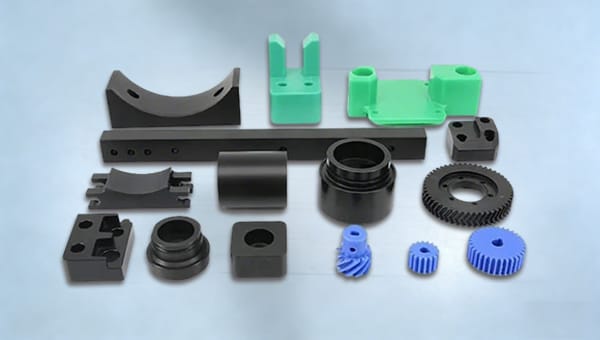
একটি পেশাদার কাস্টম রাবার পণ্য প্রস্তুতকারক মৌলিক উত্পাদনের চেয়ে বেশি সমর্থন করতে পারে। B2B ক্রেতাদের জন্য, প্রকৃত মূল্য উপাদান নির্বাচন, ছাঁচ উন্নয়ন, স্থিতিশীল ব্যাচ উত্পাদন, এবং অ্যাপ্লিকেশন-ভিত্তিক প্রযুক্তিগত সহায়তার মধ্যে রয়েছে।.
একজন যোগ্য সরবরাহকারীকে অঙ্কন বা নমুনা অনুযায়ী উত্পাদন করতে, উপযুক্ত রাবার সামগ্রীর সুপারিশ করতে, কাস্টম ছাঁচের বিকাশকে সমর্থন করতে, কঠোরতা এবং মাত্রা নিয়ন্ত্রণ করতে, প্রয়োজনে রাবার-ধাতু বন্ধনযুক্ত অংশগুলি তৈরি করতে এবং পুনরাবৃত্তি অর্ডারের জন্য স্থিতিশীল গুণমান বজায় রাখতে সক্ষম হওয়া উচিত।.
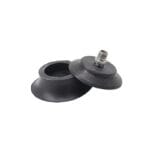
যেসব কোম্পানির রাবার বাফার স্প্রিংস, রাবার মোল্ডেড পার্টস, সাকশন কাপ, সিল, গ্যাসকেট, বুশিং বা অন্যান্য শিল্প রাবার পণ্যের প্রয়োজন, কাস্টম রাবার অ্যাপ্লিকেশন বোঝে এমন একটি প্রস্তুতকারকের সাথে কাজ করা ক্রয়কে আরও দক্ষ এবং নির্ভরযোগ্য করে তুলতে পারে।.
উপসংহার
রাবার বাফার স্প্রিংস শিল্প শক শোষণ এবং কম্পন নিয়ন্ত্রণের জন্য অপরিহার্য উপাদান। তারা প্রভাব শক্তি কমাতে, কম্পন বিচ্ছিন্ন করতে, কম শব্দ করতে, সরঞ্জামের কাঠামো রক্ষা করতে এবং যন্ত্রপাতি পরিষেবা জীবন প্রসারিত করতে সহায়তা করে।.
একটি নির্বাচন করার সময় রাবার বাফার বসন্ত, ক্রেতাদের লোড ক্ষমতা, রাবারের কঠোরতা, উপাদানের ধরন, কম্প্রেশন আচরণ, তাপমাত্রা প্রতিরোধ, তেল প্রতিরোধ, ইনস্টলেশন পদ্ধতি এবং কাস্টমাইজেশন প্রয়োজনীয়তা বিবেচনা করা উচিত। একটি সঠিকভাবে ডিজাইন করা রাবার বাফার স্প্রিং সরঞ্জামের স্থিতিশীলতা উন্নত করতে পারে এবং দীর্ঘমেয়াদী রক্ষণাবেক্ষণের ঝুঁকি কমাতে পারে।.
OEM সরঞ্জাম প্রস্তুতকারক, শিল্প যন্ত্রপাতি ব্যবহারকারী এবং রক্ষণাবেক্ষণ সংস্থাগুলির জন্য, কাস্টম রাবার বাফার স্প্রিংগুলি যান্ত্রিক অ্যাপ্লিকেশনগুলির চাহিদার জন্য একটি ব্যবহারিক এবং নির্ভরযোগ্য সমাধান প্রদান করে।.
FAQ
একটি রাবার বাফার স্প্রিং কি জন্য ব্যবহৃত হয়?
একটি রাবার বাফার স্প্রিং শক শোষণ করতে, কম্পন কমাতে, সরঞ্জামের অংশগুলিকে রক্ষা করতে, কম শব্দ করতে এবং কঠোর যান্ত্রিক উপাদানগুলির মধ্যে সরাসরি প্রভাব রোধ করতে ব্যবহৃত হয়।.
আমি কিভাবে সঠিক রাবার বাফার স্প্রিং নির্বাচন করব?
আপনার লোড ক্ষমতা, রাবারের কঠোরতা, রাবার উপাদান, কম্প্রেশন পরিসীমা, কাজের তাপমাত্রা, তেলের এক্সপোজার, ইনস্টলেশন পদ্ধতি এবং প্রকৃত কাজের পরিবেশ বিবেচনা করা উচিত।.
রাবার বাফার স্প্রিংস কি ধাতব স্প্রিংসের চেয়ে ভাল?
রাবার বাফার স্প্রিংস স্যাঁতসেঁতে, কম্পন বিচ্ছিন্নতা এবং শব্দ কমানোর জন্য ভাল। শক্তিশালী রিবাউন্ড ফোর্সের জন্য মেটাল স্প্রিংস ভালো। সঠিক পছন্দ সরঞ্জাম নকশা উপর নির্ভর করে।.
রাবার বাফার স্প্রিংস কাস্টমাইজ করা যাবে?
হ্যাঁ। রাবার বাফার স্প্রিংস আকার, আকৃতি, কঠোরতা, উপাদান, মাউন্ট গঠন, ধাতু সন্নিবেশ, কম্প্রেশন প্রয়োজনীয়তা, এবং প্রয়োগ শর্তাবলী দ্বারা কাস্টমাইজ করা যেতে পারে।.
বাফার স্প্রিংসের জন্য কোন রাবার উপাদান সেরা?
প্রাকৃতিক রাবার প্রায়ই সাধারণ স্থিতিস্থাপকতা এবং শক শোষণের জন্য ব্যবহৃত হয়। এনবিআর তেল এক্সপোজারের জন্য উপযুক্ত, ইপিডিএম বহিরঙ্গন ব্যবহারের জন্য উপযুক্ত, এবং নিওপ্রিন সুষম শিল্প কর্মক্ষমতা প্রদান করে।.