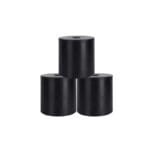
Silicone and EPDM can both be credible choices for outdoor covers, electrical boots, protective sleeves, and static seals. Their overlap is exactly what makes selection difficult. A temperature chart may favor silicone rubber, while a tear-prone installation or steam-and-water environment may shift the decision. The finished geometry and handling method often matter as much as the polymer family.
This guide compares silicone rubber and EPDM for industrial protection and sealing. It focuses on temperature cycling, weather, water, mechanical damage, compression, contamination, appearance, manufacturing, and validation—not on declaring one material universally superior.
Table of Contents
Separate Silicone Rubber Covers From Pressure Seals
A dust cover may only need to deflect debris and tolerate occasional handling. A pressure seal must maintain a continuous contact line under a defined load. A cable boot may flex at one location thousands of times. Before comparing silicone rubber and EPDM, state whether the component protects, seals, insulates, flexes, or combines several functions.
The failure definition changes with function. A small surface nick may be acceptable on a noncritical sleeve but unacceptable at a sealing bead or electrical creepage path. Map high-strain areas, contact surfaces, cut edges, and interfaces with rigid hardware so material data can be connected to geometry.
Evaluate Silicone Rubber Across the Temperature Cycle
Silicone rubber is often considered when high- or low-temperature flexibility is important, but the actual compound grade and mechanical load still require review. EPDM also covers a useful industrial temperature range and can perform well in outdoor and water-related service. Compare continuous exposure, short peaks, cold startup, and repeated cycling rather than one headline limit.
At elevated temperature, examine compression set, tear propagation, tensile retention, and contact with fluids or cleaning agents. At low temperature, ask whether the part must bend, snap over a feature, or remain static. ASTM D573 supports heat-aging comparison, but the final cover or seal needs geometry-specific testing.
| Decision factor | Silicone starting point | EPDM starting point |
|---|---|---|
| Wide temperature flexibility | Often advantageous | Grade-dependent practical range |
| Outdoor ozone and weather | Often suitable | Often highly suitable |
| Tear-prone installation | Geometry and grade need care | Often worth comparing |
| Water and weather sealing | Application dependent | Commonly considered |
| Color or translucency | Broad visual options | Usually more limited |
Evaluate Silicone Rubber Tear Risk During Installation
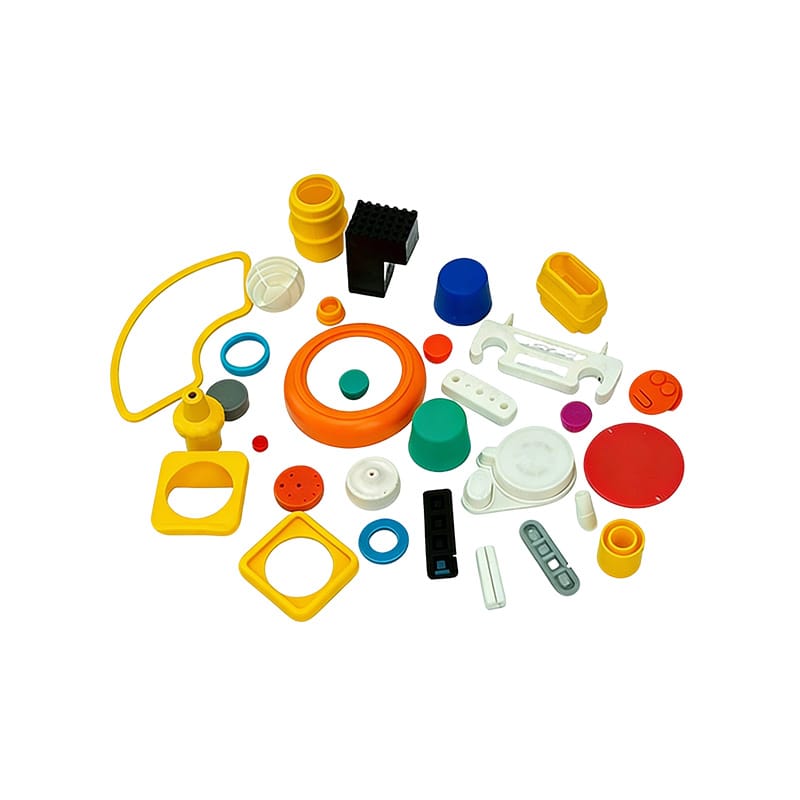
A sleeve stretched over a connector can experience much higher local strain than it sees in service. Sharp housing edges, threads, clips, and cable ties can initiate a notch. Some silicone rubber formulations offer useful tear performance, but silicone parts can still be vulnerable when thin sections are forced over poorly radiused hardware.
Add lead-in radii, installation tabs, thickness transitions, and an approved lubricant or assembly method where appropriate. Measure the maximum stretch during installation, not only the final fit. ASTM D624 provides a controlled tear-strength method; a representative installation trial shows whether the actual geometry concentrates damage.
Compare Weather and Water as Combined Exposure
Both material families can be formulated for outdoor use. EPDM is widely selected for ozone, weather, and many water applications. Silicone rubber can also withstand outdoor exposure, especially where temperature flexibility or color is important. The decision should include standing water, UV orientation, ozone, freeze-thaw cycling, dirt, and any oil or cleaner that reaches the part.
Drainage and retention geometry can dominate material choice. A cover that traps water against a metal interface may create corrosion or freeze pressure even if the elastomer itself remains sound. Define venting, overlap, sealing direction, and how the component is removed for service.
- Record the hottest and coldest installed conditions.
- Identify all water, cleaner, oil mist, and outdoor exposure.
- Measure installation stretch and locate sharp interfaces.
- State whether color, translucency, or electrical behavior is functional.
- Define the acceptable appearance after aging and service.
Review Compression and Closure Force
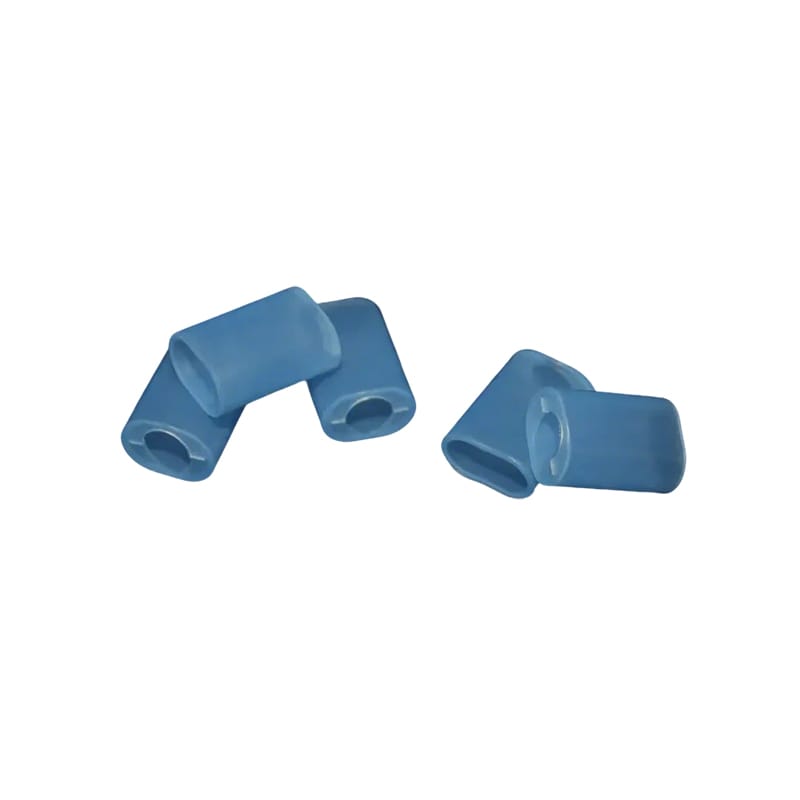
For static sealing, compound choice cannot be separated from bead height, flange stiffness, groove volume, and latch force. A soft silicone rubber profile may close easily but can roll or extrude if poorly retained. An EPDM profile may offer a different balance of rebound, friction, and compression behavior. Calculate minimum and maximum installed squeeze.
ASTM D395 can compare compression set under defined conditions. Use it to control a compound, then test the production-intent profile in the actual joint. The rubber material selection guide provides additional context for protective sleeve geometry and manufacturing.
Treat Color and Cleanliness as Engineering Inputs
Silicone rubber is available in a wide range of colors and can be translucent, which may support visual inspection, coding, or light transmission. Color stability depends on pigment, temperature, UV, contaminants, and cleaning. Do not use a generic “silicone white” requirement when a visual match or change limit is important.
For electrical, laboratory, food-contact, or clean manufacturing environments, identify the actual regulatory, extractable, particulate, or cleaning requirement. Do not infer certification from polymer type. Request compound-specific documentation and keep application validation separate from a supplier’s general material statement.
Specify Thin-Section Silicone Rubber Realistically
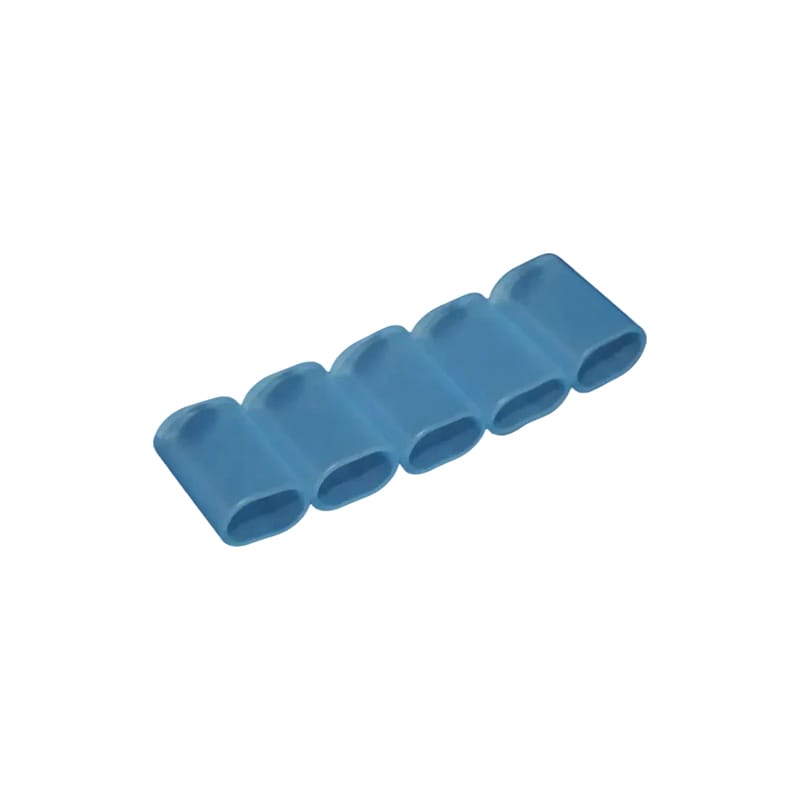
Thin lips, bellows, and sleeve walls amplify molding and handling variation. Add radii at thickness changes and avoid isolated heavy sections that can trap air or cure differently. Specify the dimensions that control fit and flexing, while allowing practical limits on nonfunctional surfaces. Silicone rubber flash and parting lines should be located away from sealing and high-strain zones.
Hardness checks on thin finished parts may not be reliable. ASTM D2240 defines specimen considerations, so a production test slab may be the appropriate compound control. The finished part still needs dimensional, visual, installation, and functional inspection.
Run Side-by-Side Application Tests
When both polymers remain credible, test production-intent parts in the same hardware. Include installation, removal, temperature cycling, weather or water exposure, compression, flexing, cleaning, and contamination. Inspect cracks, tears, permanent deformation, stickiness, color change, leakage, and retention. This creates evidence for silicone rubber or EPDM selection without relying on generic rankings.
Document limitations: a short laboratory cycle does not establish a guaranteed service life. The custom silicone protective sleeves and custom manufacturing process pages show custom molded formats that can be reviewed with application drawings, target quantities, and acceptance criteria.
Frequently Asked Questions
Is silicone rubber better than EPDM outdoors?
Both can be suitable. EPDM is widely used for ozone and weather resistance, while silicone may be chosen for wider temperature flexibility or color. Fluids, geometry, strain, and validation decide the application.
Does silicone rubber handle higher temperature?
Silicone is commonly considered for higher-temperature flexibility, but usable limits depend on the compound, duration, mechanical load, atmosphere, and required property retention.
Why does silicone rubber tear during sleeve assembly?
Excess installation stretch, sharp hardware, thin transitions, notches, poor handling, or an unsuitable grade can initiate damage. Review the assembly path and geometry before changing hardness.
Can silicone and EPDM seal water?
Both may be used in water-related seals depending on temperature, additives, pressure, joint design, and compound. EPDM is a common starting point, while silicone may suit temperature or cleanliness needs.
What information should a cover RFQ include?
Provide the 2D and 3D files, mating hardware, installation stretch, temperature cycle, outdoor and fluid exposure, flex cycles, color needs, critical dimensions, quantity, and acceptance tests.
Compare Silicone Rubber and EPDM in the Actual Assembly
Huadao can review custom silicone protective sleeves for installation strain, wall transitions, retention, temperature, weather, water, color, and inspection requirements.
Share the drawing and service sequence through the contact page to compare silicone rubber and EPDM using the finished geometry rather than a generic material chart.