Table of Contents
- Why Rubber Material Selection Starts With Service Conditions
- EPDM, NBR, FKM, and Silicone at a Glance
- Common Application Mistakes
- What to Send Before Quotation
Rubber material selection is one of the most important decisions in custom molded rubber parts. The part may look simple on a drawing, but its service life depends on temperature, oil, chemicals, compression, movement, outdoor exposure, and the way it is installed. When rubber material selection is handled too late, buyers often receive parts that fit the drawing but fail in the actual equipment.
Why Rubber Material Selection Starts With Service Conditions
Good rubber material selection starts with the environment, not the compound name. A seal exposed to hydraulic oil has different needs from a weather strip exposed to sun and rain. A buffer part under impact has different needs from a gasket under static compression. For OEM buyers, the most useful question is not ??hich rubber is best???but ??hich rubber matches this job???/p>
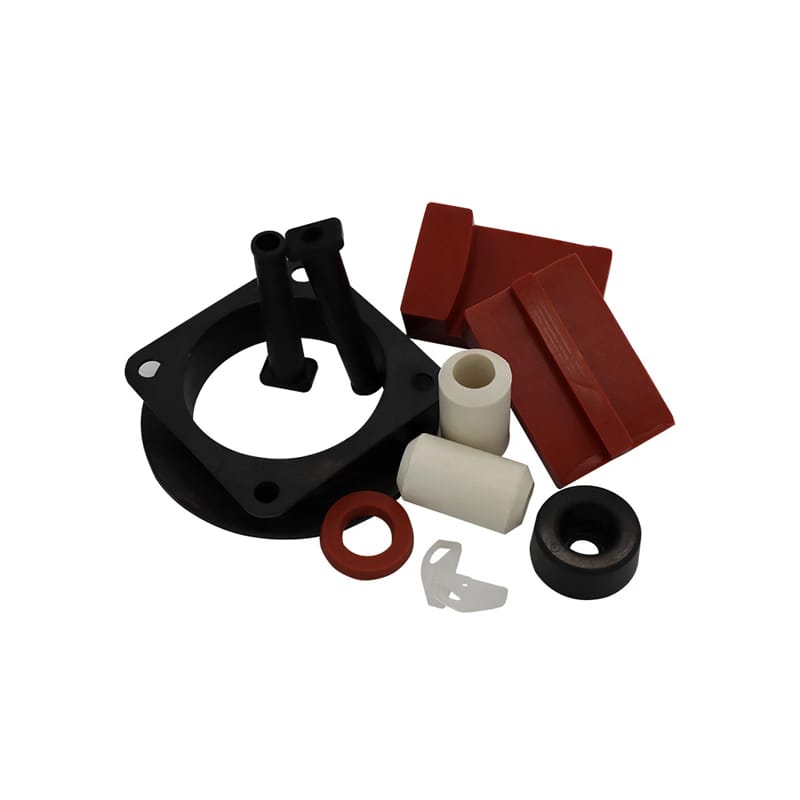
Rubber material selection should consider the full operating picture: working temperature, contact media, compression set, hardness, movement, abrasion, aging, and whether the part must seal, cushion, grip, insulate, or isolate vibration. Huadao’s custom molded rubber parts page is a relevant starting point for buyers who need parts made by drawing or sample.
General references such as EPDM rubber, nitrile rubber, fluoroelastomer, and silicone rubber are useful for understanding material families. Final rubber material selection still needs the exact application conditions and, when required, grade-level confirmation.
EPDM, NBR, FKM, and Silicone at a Glance
Different elastomers solve different problems. EPDM is often considered for weather, water, steam, and outdoor aging resistance. NBR is commonly used where oil resistance is important. FKM is selected for higher chemical and temperature resistance in demanding environments. Silicone is often useful for flexibility across a wide temperature range and for soft protective shapes. Rubber material selection becomes easier when these strengths are matched with the job instead of treated as interchangeable choices.
| Material | Typical Strength | Common Custom Part Use | Watch Point |
|---|---|---|---|
| EPDM | Weathering and water resistance | Outdoor seals, gaskets, weather strips | Not usually the first choice for oil contact |
| NBR | Oil and fuel resistance | Hydraulic seals, oil-contact gaskets | Outdoor aging should be reviewed |
| FKM | Chemical and heat resistance | Demanding seals and chemical-contact parts | Use when the environment justifies it |
| Silicone | Flexibility and temperature range | Protective sleeves, soft covers, insulation parts | Tear and abrasion demand should be checked |
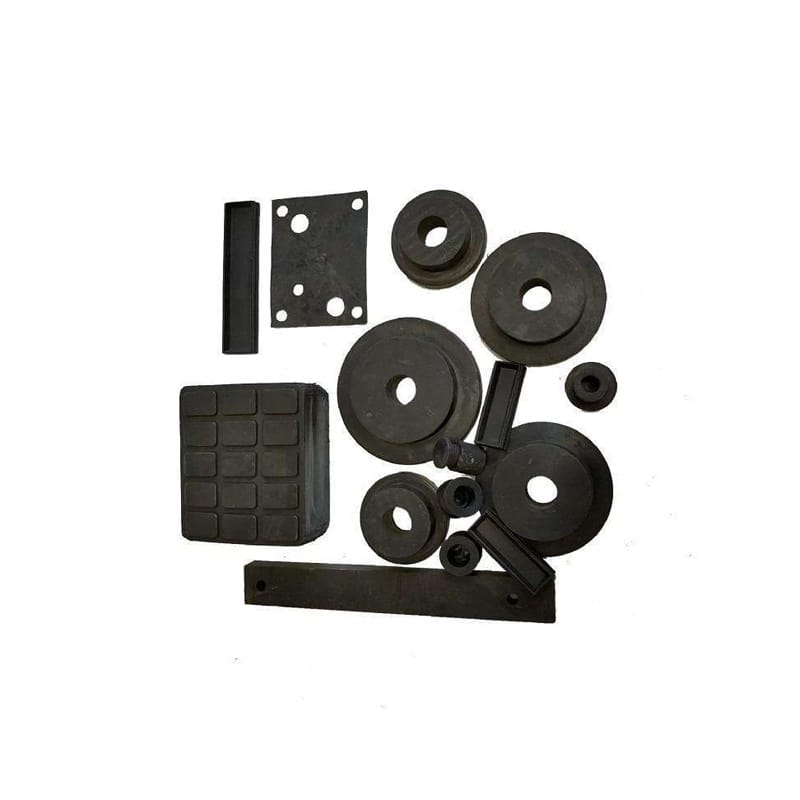
For oil-contact or hydraulic applications, buyers can review Huadao’s hydraulic cylinder seals. For flexible protection, custom silicone protective sleeves are a better reference. For shock absorption and vibration control, the heavy-duty rubber buffer spring product shows a different type of rubber design problem.
Common Application Mistakes
One common mistake is selecting hardness first and material second. Hardness affects deformation and feel, but it does not replace rubber material selection. Another mistake is assuming that a part working in one machine will work in another machine simply because the shape is similar. Heat, oil, cleaning chemicals, movement, and compression can change the result.
- Choosing EPDM for oil exposure without checking compatibility
- Using a soft rubber where abrasion or tearing is severe
- Ignoring compression set for long-term seals
- Copying a sample that is already swollen, hardened, or worn
- Forgetting outdoor ozone, sunlight, water, or temperature cycling
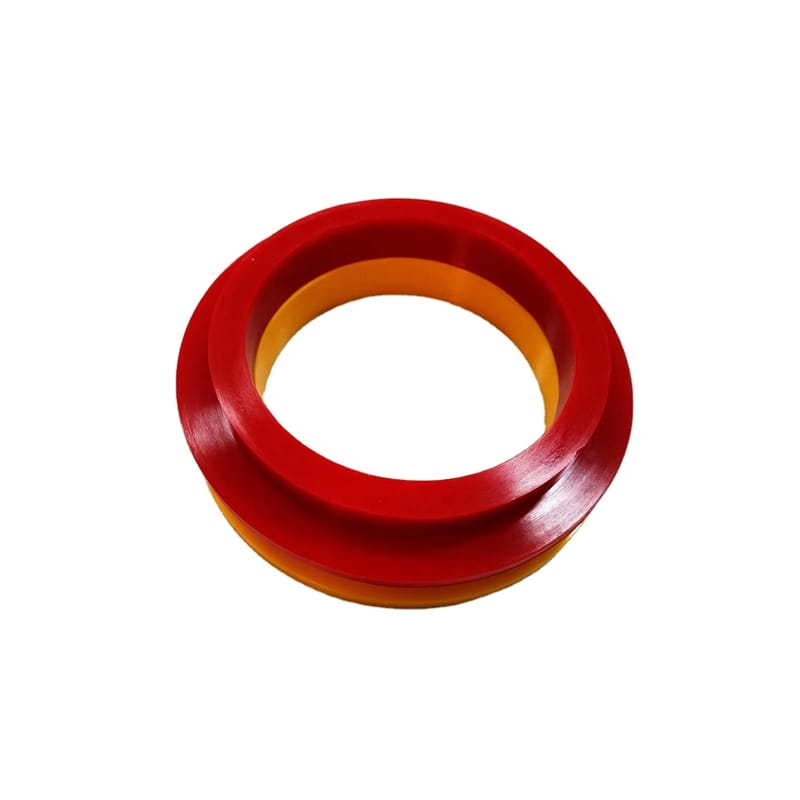
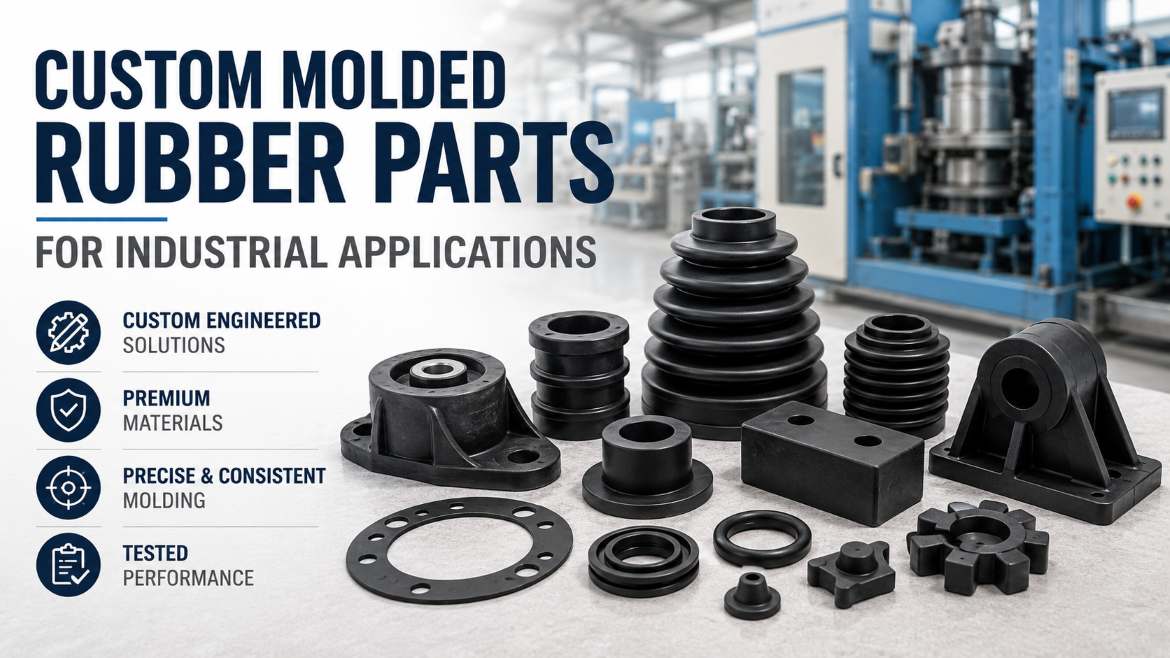
Buyers can also compare related planning advice in Huadao’s article on custom molded rubber parts for industrial applications. If the project includes plastic parts as well as rubber parts, the customized rubber and plastic parts service can help align drawing review, material selection, and production method.
Rubber material selection should also account for how the part is made. A molded gasket, extruded strip, bonded rubber-to-metal part, suction cup, and vibration buffer may all require different compound behavior even if the environment looks similar. Flow in the mold, part thickness, undercuts, and post-processing can influence what material is practical. Early discussion helps avoid a design that looks good in CAD but is difficult to mold consistently.
In replacement projects, the old sample may not represent the original material anymore. Heat can harden rubber, oil can swell it, and long compression can flatten the cross-section. For accurate rubber material selection, measure the housing or mating part as well as the sample. If possible, send photos of the installation position, the failed surface, and the part before removal. This gives the supplier a better chance to separate material failure from design, assembly, or maintenance issues.
Rubber material selection is especially important when one part must perform more than one function. A part may need to seal and cushion at the same time, or grip a product while resisting oil mist. In these cases, the best material may involve a compromise between hardness, elasticity, abrasion resistance, and chemical compatibility. Explain the priority clearly: a static seal, moving seal, shock absorber, protective cover, or friction surface will not be optimized in the same way.
What to Send Before Quotation
Accurate rubber material selection depends on good project information. Send the drawing, sample photos, target hardness if known, operating temperature, contact media, compression or movement type, quantity, and any failure history. If the old part failed, photos of swelling, cracking, flattening, tearing, or abrasion can be more useful than a material name.
If there are standards, test requirements, or customer specifications, include them with the inquiry instead of adding them after sampling. Rubber material selection changes quickly when a part must meet a specific hardness range, compression requirement, color, surface finish, or regulatory expectation. Clear information at the quotation stage helps reduce redesign and keeps the project moving in a practical direction.
In short, rubber material selection should protect the function, not just match a material name on an old drawing.
For many custom projects, the best result comes from discussing function first: sealing, cushioning, gripping, damping, insulating, or protecting. Rubber material selection can then support that function instead of fighting against the real working conditions. This practical approach helps buyers reduce repeated trials and gives the manufacturer a clearer path to a suitable custom rubber part.