A failed plastic part rarely fails without a reason.
Sometimes the material was too soft for the load. Sometimes it absorbed moisture and changed size. Sometimes it worked well in the sample stage but wore out quickly after continuous operation. In other cases, the drawing was correct, but the selected plastic was never designed for friction, impact, heat, or chemical contact.
For industrial buyers, choosing an engineering plastics manufacturer is not simply about finding someone who can supply plastic sheets or machine a few parts. The real question is whether the manufacturer understands how engineering plastics behave inside actual equipment.
That difference matters.
A reliable manufacturer should help you choose the right material, control machining tolerance, understand the application environment, and deliver parts that perform consistently in long-term use. Whether you need engineering plastic sheets, rods, liners, wear strips, guide rails, rollers, bushings, pads, or custom machined plastic components, the right partner can reduce trial-and-error and help you avoid costly material mistakes.
This guide explains how to evaluate an engineering plastics manufacturer from a buyer’s point of view, especially if your parts are used in industrial machinery, conveyor systems, packaging equipment, food processing lines, material handling systems, marine equipment, agricultural machinery, or heavy-duty working environments.
Table of Contents
Start With the Part, Not the Material
Many buyers begin an inquiry by asking for a specific material. That is understandable, especially when the material was used before or appears on an old drawing. But in many cases, starting with the material name is not enough.
A better starting point is the part itself.
What does the part do?
Where is it installed?
Does it slide, carry weight, guide movement, absorb impact, or protect metal surfaces?
Does it touch chemicals, water, oil, dust, food materials, or abrasive particles?
Does it need to hold tight tolerance after machining?
These questions matter because engineering plastics are not interchangeable. UHMWPE, HDPE, Nylon, POM, PTFE, PET, PP, and other industrial plastics all have different strengths. A material that performs well as a sliding wear strip may not be the best choice for a precision bushing. A plastic sheet that works well in a dry environment may not be ideal when moisture, chemicals, or temperature changes are involved.
A good engineering plastics manufacturer should not rush to quote only by size. The manufacturer should first understand what the part needs to survive.
A Practical Way to Read Plastic Part Failure
When an industrial plastic part fails, the surface often tells a story. Before replacing the same part again, it helps to identify what type of failure is happening.
| What You See on the Part | Possible Cause | What to Discuss With the Manufacturer |
|---|---|---|
| Surface becomes rough or thin | Sliding wear or abrasive contact | Wear resistance, friction level, mating surface |
| Part cracks near holes or edges | Impact, stress concentration, wrong design | Toughness, machining method, corner radius |
| Part changes size after use | Moisture absorption, heat, internal stress | Dimensional stability, working environment |
| Part becomes soft or deformed | Excessive temperature or load | Heat resistance, compressive strength |
| Surface becomes swollen or brittle | Chemical exposure | Chemical resistance of the selected plastic |
| Part creates noise during movement | High friction or poor contact design | Low-friction materials, surface finish |
| Part wears unevenly | Misalignment, poor installation, uneven load | Part design, tolerance, equipment condition |
This is where the experience of the manufacturer becomes valuable. A supplier that only sells raw plastic materials may not ask these questions. A manufacturer with industrial application experience usually will.
What Makes Engineering Plastics Different in Industrial Use
Engineering plastics are selected because they offer performance beyond ordinary plastics. In industrial equipment, they are often used when the part needs better wear resistance, strength, impact resistance, dimensional stability, chemical resistance, or low-friction movement.
They are not always used to replace every metal part. That would be unrealistic. But they are often the better choice for parts where metal creates another problem: noise, corrosion, weight, lubrication demand, or wear damage to surrounding components.
Typical industrial uses include:
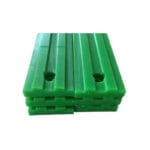
- Conveyor wear strips and chain guides
- Machine liners and guide rails
- Rollers, bushings, sleeves, and wheels
- Plastic pads and support blocks
- Sliding plates and low-friction components
- Chemical-resistant sheets and fabricated parts
- Custom CNC machined plastic components
- OEM plastic parts for machinery assemblies
The advantage of engineering plastics is not only the material itself. The advantage comes from matching the material to the working condition.
When Engineering Plastics Can Replace Metal Parts
Many industrial buyers are interested in replacing metal parts with engineering plastics. The reason is not usually appearance. It is performance.
Metal can be strong, but it can also be heavy, noisy, corrosive, and abrasive when it moves against another surface. In the right application, engineering plastics can solve these problems.
For example, plastic wear strips can reduce friction in conveyor systems. Plastic liners can protect metal structures from direct abrasion. Plastic bushings can reduce noise in moving assemblies. Plastic pads can provide equipment protection while reducing surface damage.
The best replacement opportunities usually appear in these situations:
| Current Problem With Metal Parts | How Engineering Plastics May Help |
|---|---|
| Metal parts are too noisy | Low-friction plastic can reduce harsh contact noise |
| Metal surfaces wear each other | Replaceable plastic wear parts can protect equipment |
| Parts rust or corrode | Moisture-resistant and chemical-resistant plastics may perform better |
| Components are too heavy | Plastic parts can reduce weight in moving systems |
| Frequent lubrication is needed | Some plastics can work with lower lubrication demand |
| Metal damages products or surfaces | Plastic contact surfaces may be gentler |
However, replacing metal requires careful evaluation. Load, temperature, tolerance, impact, and installation method must be checked. A capable engineering plastics manufacturer should help confirm whether plastic is suitable for the part, instead of simply accepting a drawing without question.
Common Engineering Plastic Materials and Their Best-Fit Uses
A useful manufacturer should be able to explain material differences in plain industrial language. The buyer does not always need a long chemical explanation. What the buyer needs is a clear answer: which material fits this application, and why?
| Material | Practical Strengths | Typical Industrial Uses |
|---|---|---|
| UHMWPE | Excellent wear resistance, low friction, impact resistance | Wear strips, chain guides, guide rails, liners, conveyor components |
| HDPE | Tough, moisture-resistant, easy to fabricate | Pads, sheets, liners, cutting surfaces, fabricated industrial parts |
| Nylon | Good strength, fatigue resistance, load-bearing performance | Rollers, bushings, gears, wheels, mechanical parts |
| POM | Good dimensional stability and machinability | Precision parts, sliding components, bushings, guide blocks |
| PTFE | Very low friction and strong chemical resistance | Seals, sliding parts, chemical equipment components |
| PET | Stable, strong, good wear performance | Mechanical components, rollers, precision machined parts |
| PP | Good chemical resistance and lightweight structure | Chemical tanks, fabricated sheets, industrial panels |
This table is only a starting point. Final material selection should always consider the working environment.
For example, if the part is used as a conveyor wear strip, UHMWPE may be a strong candidate. If the part is a precision-machined component that needs better dimensional stability, POM may be considered. If the part contacts aggressive chemicals, PTFE, PP, or HDPE may be more suitable depending on the chemical type and temperature.
The Questions a Manufacturer Should Ask Before Production
A serious engineering plastics manufacturer will usually ask more questions than a simple trader. That is a good sign.
The manufacturer may ask:
- What is the application of the part?
- Is the part used for sliding, guiding, impact protection, support, or sealing?
- What material is currently being used?
- Why does the current part need to be replaced?
- What is the working temperature?
- Is there chemical exposure?
- Does the part contact water, oil, dust, or abrasive materials?
- What tolerance is required?
- Is the part made from a drawing, sample, or only a size description?
- Is this a one-time replacement or a repeat OEM order?
These questions help reduce the risk of wrong material selection. They also help the manufacturer decide whether the part should be cut from sheet, turned from rod, machined from block, or fabricated by another process.
If a manufacturer never asks about the working condition, the buyer should be careful.
Engineering Plastic Sheets, Rods, and Custom Machined Parts
Most buyers purchase engineering plastics in one of three forms: sheets, rods, or finished parts.
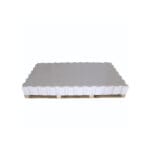
Engineering plastic sheets are widely used for liners, wear plates, pads, machine panels, cutting surfaces, protective surfaces, and fabricated components. They can be cut, milled, drilled, planed, welded, or assembled depending on the material.
Engineering plastic rods are commonly used for round machined parts such as rollers, bushings, sleeves, bearings, wheels, and shafts. Rods are often selected when the final part needs turning or cylindrical machining.
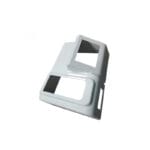
Custom machined plastic parts are used when the buyer needs finished components according to drawings or samples. These may include guide rails, chain guides, wear strips, rollers, spacers, bushings, liners, pads, sliding blocks, and OEM plastic components.
For many industrial buyers, custom machining capability is more important than raw material supply. A manufacturer that can provide both material and machining can help reduce communication errors and shorten the sourcing process.
How Custom Engineering Plastic Parts Are Usually Produced
The manufacturing process depends on the material, shape, tolerance, and quantity. But for most custom engineering plastic parts, the process follows a practical path.
| Step | What Happens | Why It Matters |
|---|---|---|
| Application review | The manufacturer checks the working condition | Helps confirm suitable material |
| Material selection | Material is selected based on wear, load, heat, or chemicals | Reduces failure risk |
| Drawing or sample check | Size, tolerance, holes, slots, and surfaces are reviewed | Avoids production misunderstanding |
| Raw material preparation | Sheets, rods, or blocks are selected and cut | Ensures proper machining allowance |
| CNC machining or fabrication | Parts are machined, cut, drilled, milled, turned, or assembled | Creates the final shape |
| Inspection | Dimensions, surface condition, and key features are checked | Improves order consistency |
| Packaging | Parts are packed according to size, surface, and shipping needs | Reduces damage during delivery |
Plastic machining is not the same as metal machining. Some plastics expand more easily. Some need careful clamping. Some require proper tool selection to avoid melting, deformation, or poor surface finish. This is why machining experience matters.
Conveyor Systems: A Strong Application Area for Engineering Plastics
Conveyor systems are one of the most common areas where engineering plastics show their value.
In a conveyor line, many parts are exposed to continuous sliding, chain movement, product contact, cleaning, vibration, or impact. Metal parts may be too noisy or abrasive. Ordinary plastics may wear too fast. Engineering plastics can offer a better balance of wear resistance, low friction, and replaceability.
Common conveyor-related parts include:
- Plastic wear strips
- Chain guides
- Side guide rails
- Sliding plates
- Conveyor liners
- Rollers
- Support rails
- Impact pads
For conveyor wear parts, the manufacturer should understand the chain type, speed, load, temperature, cleaning method, and contact surface. A food processing conveyor may require different considerations from a heavy material handling conveyor. A dry packaging line may not need the same material as a wet or chemically cleaned processing line.
This is why “engineering plastics for conveyor systems” is not a single product topic. It is a material selection topic.
Heavy-Duty Applications Need More Than Hardness
In heavy-duty equipment, many buyers assume the hardest plastic is the best option. That is not always true.
A hard plastic may resist surface damage, but it may not absorb impact well. A tough material may handle impact, but it may not offer the best dimensional stability. A low-friction material may slide well, but it may not be ideal under every load condition.
Heavy-duty applications may involve:
- Abrasive materials
- Vibration
- Impact loading
- Outdoor exposure
- High compression
- Moisture
- Dust and dirt
- Repeated equipment movement
Engineering plastics used in these conditions must be selected carefully. Wear liners, support pads, slide blocks, rollers, bushings, protective plates, and equipment pads all face different stresses.
A strong manufacturer will not recommend material based only on thickness. They will consider how the part is loaded and how it fails over time.
Why OEM Buyers Need a Different Level of Support
OEM buyers usually have higher requirements than general material buyers. They need parts that can be repeated, assembled, and supplied consistently.
For OEM engineering plastic components, a manufacturer should be able to support:
- Stable material sourcing
- Repeatable machining quality
- Drawing-based production
- Batch consistency
- Tolerance control
- Surface quality control
- Packaging consistency
- Long-term supply communication
OEM buyers also need clear technical communication. If a part is designed for assembly inside equipment, small dimensional errors may create fitting problems. If the material is changed without discussion, the final equipment performance may be affected.
A reliable engineering plastics manufacturer should treat OEM parts as part of the buyer’s production system, not as simple one-off plastic pieces.
Buying Engineering Plastics: Mistakes That Create Problems Later
Many purchasing problems begin before production. The order looks simple, but key details are missing.
Mistake 1: Ordering by Size Only
Size is important, but it does not define performance. A plastic sheet with the right dimensions may still fail if the material is wrong for the working environment.
Mistake 2: Ignoring Temperature
Some plastics lose strength, deform, or change performance under heat. Temperature should always be discussed when the part works near friction, motors, hot materials, or heated equipment.
Mistake 3: Treating All Plastic Sheets the Same
Different plastic sheets can look similar but behave very differently. UHMWPE, HDPE, POM, Nylon, PP, and PTFE are not interchangeable.
Mistake 4: Forgetting Machining Allowance
If the buyer plans to machine the sheet or rod after purchase, the raw material size should allow for cutting, clamping, surface finishing, and final tolerance.
Mistake 5: Replacing Metal Without Design Review
A plastic replacement part may need design changes. Hole position, thickness, clearance, and support structure may need adjustment because plastics behave differently from metals.
Mistake 6: Not Explaining the Failure Reason
If the current part failed, the manufacturer should know why. Without that information, the new part may repeat the same problem.
What to Check Before Choosing an Engineering Plastics Manufacturer
Choosing a manufacturer is not only about whether they can produce a part. It is about whether they can help you reduce risk.
Use the following checklist before placing an order.
| What to Check | Good Sign | Risk Sign |
|---|---|---|
| Material knowledge | Explains why one material fits better than another | Only asks for size and quantity |
| Application experience | Asks about load, wear, temperature, and chemicals | Gives the same suggestion for every use |
| Product capability | Supplies sheets, rods, and custom machined parts | Only provides raw material with no processing support |
| Machining experience | Understands plastic tolerance and deformation | Treats plastic machining like metal machining |
| Quality control | Checks dimensions and surface condition | No inspection process mentioned |
| OEM support | Can work with drawings and repeat orders | Only handles simple one-time orders |
| Communication | Gives clear technical questions and answers | Avoids application details |
A good manufacturer makes the buying process clearer. A weak supplier leaves the buyer guessing.
How to Send a Better Inquiry
A clear inquiry helps the manufacturer recommend better material and avoid delays. Instead of sending only “Please quote engineering plastic sheet,” provide useful working details.
A strong inquiry should include:
- Product type: sheet, rod, block, wear strip, guide rail, liner, pad, roller, bushing, or custom part
- Material name, if already known
- Application or equipment type
- Size and thickness
- Drawing or sample photo
- Required tolerance
- Quantity
- Working temperature
- Load condition
- Sliding or friction condition
- Chemical exposure
- Indoor or outdoor use
- Surface or color requirement
- Packaging requirement
If you do not know which material to choose, describe the problem. For example, explain that the current part wears too fast, creates noise, becomes deformed, cracks near mounting holes, or cannot resist chemicals. A professional manufacturer can work from that information and recommend a suitable engineering plastic material.
A Manufacturer’s View: The Best Material Is the One That Fits the Job
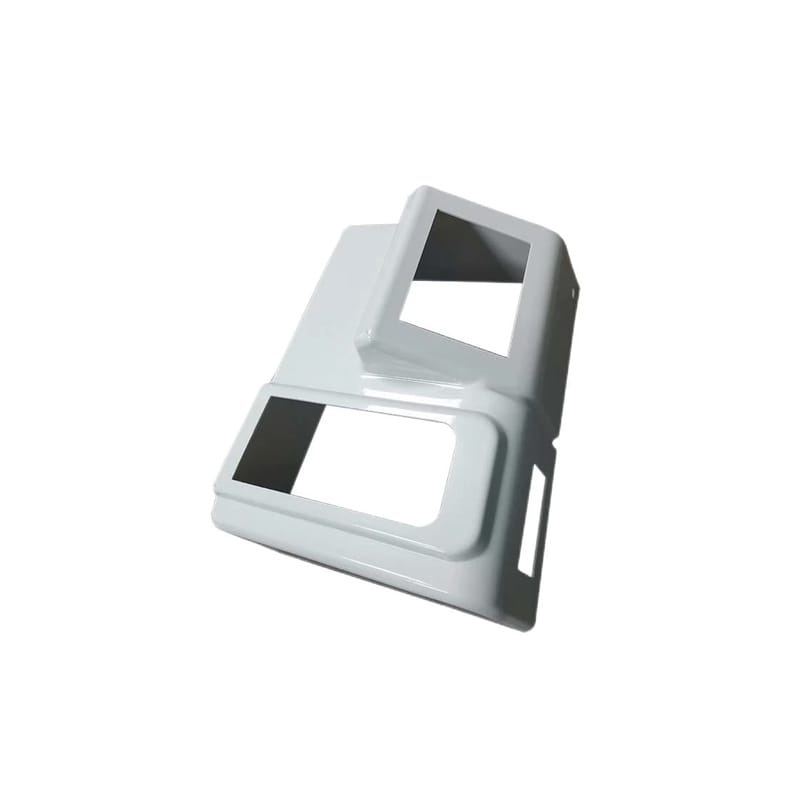
From a manufacturer’s point of view, there is no single best engineering plastic for every buyer.
UHMWPE may be excellent for low-friction wear parts. POM may be better for precision machined components. Nylon may be useful for mechanical strength and load-bearing parts. PTFE may be selected for low friction and chemical resistance. HDPE and PP may be practical in moisture or chemical-related applications.
The correct material depends on the job.
That is why the best engineering plastics manufacturer is not just a supplier with inventory. It is a partner that understands how plastic parts work after installation.
The right manufacturer can help you answer questions such as:
- Which material will last longer in this working condition?
- Can this plastic replace the existing metal part?
- Will the part hold tolerance after machining?
- Is this material suitable for moisture, chemicals, or outdoor use?
- Should the design be adjusted for plastic production?
- Is the part better made from sheet, rod, or block?
- Can the part be produced consistently for repeat orders?
These answers are often more valuable than a quick quotation.
Conclusion
Choosing an engineering plastics manufacturer should not be treated as a simple purchasing task. For industrial buyers, the manufacturer’s material knowledge, machining experience, quality control, and application understanding can directly affect how the finished part performs.
Engineering plastics can be used for wear strips, guide rails, liners, rollers, bushings, pads, sheets, rods, and custom machined components. They can help reduce wear, lower friction, reduce noise, resist corrosion, replace metal in suitable applications, and support more reliable equipment operation.
But the material must match the working condition.
Before ordering engineering plastic sheets, rods, or custom parts, buyers should explain the application clearly: load, temperature, friction, chemicals, moisture, tolerance, and failure history. A capable engineering plastics manufacturer can then recommend a more suitable material and production method.
For long-term industrial projects, the best partner is not simply the one who can supply plastic. It is the one who can help you choose, machine, inspect, and repeat the right engineering plastic solution for your equipment.
FAQ
What are engineering plastics used for?
Engineering plastics are used for industrial parts that need better wear resistance, strength, dimensional stability, chemical resistance, heat resistance, or low-friction performance than ordinary plastics.
How do I choose the right engineering plastic material?
Start with the working condition. Consider load, wear, temperature, moisture, chemical exposure, tolerance, and whether the part will slide, support, guide, or protect equipment.
Can engineering plastics replace metal parts?
Yes, engineering plastics can replace metal in suitable applications, especially where lower weight, reduced noise, corrosion resistance, low friction, or easier replacement is required.
What is the difference between engineering plastic sheets and custom machined parts?
Engineering plastic sheets are raw or semi-finished materials used for cutting, lining, and fabrication. Custom machined parts are finished components made according to drawings, samples, or application requirements.
What should I provide when requesting custom engineering plastic parts?
You should provide drawings or samples, material requirements, size, tolerance, quantity, application details, working temperature, load, friction condition, chemical exposure, and installation environment.