A stabilizer pad spreads force over a larger area, but it does not certify the ground, remove slope, bridge an unknown void, or correct an overloaded setup. Safe outrigger pad use begins with verified equipment reactions and a competent assessment of the supporting surface.
This guide explains the engineering questions behind outrigger pad area, full contact, ground preparation, cribbing interfaces, inspection, and purchasing without presenting a pad as a substitute for the equipment manufacturer’s setup procedure.
Table of Contents
Obtain the Maximum Outrigger Reaction
Do not divide total equipment weight evenly by the number of supports. Reactions change with boom position, load, radius, counterweight, slope, and operating configuration. Use information from the equipment manufacturer or a qualified lift plan. The outrigger pad must be assessed against the maximum credible reaction.
Record units, load case, and whether dynamic or setup factors are already included. Do not add or remove factors without responsible engineering review.
Assess the Actual Ground Condition
Surface appearance does not prove bearing capacity. Soil type, compaction, moisture, frost, recent excavation, backfill, underground services, pavement thickness, and voids matter. A larger outrigger pad cannot make unknown ground safe by itself.
Follow applicable site procedures and competent-person assessment. OSHA 1926.1402 addresses ground conditions for cranes in U.S. construction.
| Setup factor | Question | Required action |
|---|---|---|
| Equipment reaction | What is the maximum support load? | Use manufacturer or engineered data |
| Ground capacity | Can the surface support distributed load? | Qualified site assessment |
| Pad contact | Is the entire face supported and level? | Prepare a flat bearing surface |
| Void or edge | Is there an excavation or utility nearby? | Investigate and maintain safe setback |
| Cribbing or mat | Is the interface designed and stable? | Use an approved support system |
Calculate Area Without Ignoring Limitations
A basic pressure comparison divides reaction by effective bearing area, but actual ground response and load distribution may be nonuniform. Pad stiffness, support flatness, edge loading, and underlying systems influence effective area. Use an outrigger pad within a competent setup plan, not from arithmetic alone.
If required area exceeds a practical single pad, an engineered mat or support system may be needed.
Provide Full, Level Pad Contact
The pad should bear on a prepared, stable, level surface according to the equipment and site procedure. Rocks, curbs, voids, and uneven cribbing can create point loads or bending. Center the float or foot as required and keep the outrigger pad from bridging an unsupported gap.
Do not stack improvised materials. Any cribbing or mat interface must be designed for load, stability, and lateral restraint.
- Verify the maximum reaction.
- Assess ground and underground hazards.
- Use full, level outrigger pad contact.
- Keep the load away from damaged edges.
- Stop and reassess if settlement or tilting occurs.
Account for Slope, Water, and Temperature
Slope can introduce sliding and edge loading. Water can soften soil, hide voids, or reduce friction. Ice, mud, and extreme temperature affect handling and contact. The outrigger pad setup must address these conditions before loading.
Never use a pad to level equipment unless the manufacturer’s approved system specifically provides that function.
Inspect Pads Before Every Setup
Clean the pad and inspect both faces, edges, handles, and any embedded hardware for cracks, deep gouges, permanent bow, chemical damage, burns, or previous overload evidence. Establish removal criteria with the supplier and responsible safety program. A damaged outrigger pad should not be returned to service because it still looks mostly flat.
Store pads to prevent vehicle damage, excessive heat, incompatible chemicals, and hidden edge impacts.
Choose Handling Features Without Weakening the Pad
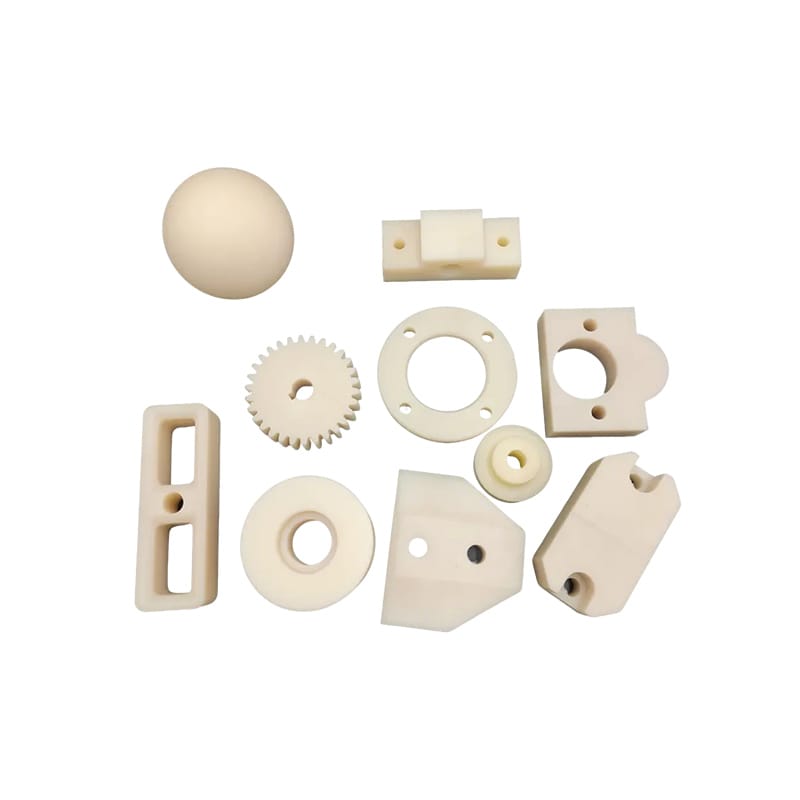
Handles and rope holes improve movement but create local geometry. Keep them away from the loaded contact region and inspect them for damage. Weight, size, lifting method, and storage should support safe handling. The plastic outrigger pads page shows custom plastic support-pad formats.
Material tests such as ASTM D638, ASTM D790, and ASTM D256 can support production evidence, but they do not approve a site setup.
Document the Setup and Stop Conditions
Record pad size, equipment configuration, ground assessment, placement, weather, and any engineered mat or cribbing. Monitor for settlement, cracking, pad movement, or equipment level change. Stop according to the site procedure if conditions change.
The plastic outrigger pad guide and UHMWPE wear parts maintenance guide offer material context, but outrigger pad selection remains part of a broader ground-support decision.
Pad stiffness and thickness affect how load reaches the ground. If the supporting surface contains a small high point, a flexible pad may bend while a stiffer system may bridge only within its engineered capability. Neither behavior justifies placing the pad over a known void. The responsible setup assessment must consider the pad and any mats or cribbing as a complete load path.
Marking and traceability can support inspection. Product identification, dimensions, material designation, and a unique or batch reference help connect a damaged item with manufacturing and service records. Labels must not be interpreted as a rated site capacity unless a qualified, documented design establishes one for defined conditions.
Handling plans should account for pad weight, awkward posture, mud, ice, and storage location. Integrated handles or ropes need routine inspection and should not be used for lifting loaded equipment. Safe transport and placement reduce dropped-pad damage and make full-contact setup more likely.
Before loading, confirm that the support foot is centered and fully seated according to the equipment procedure. Partial contact at an edge or handle recess can bend the product in a way that a simple area calculation does not represent. During operation, restrict access around supports and monitor from a safe position for settlement or movement.
After use, clean enough to expose damage without using methods that cut or overheat the surface. Record any unusual setup, overload event, chemical spill, or edge contact with the inspection history. A retirement decision should be made under the owner’s safety program and supplier guidance, not reversed merely because a damaged item can be turned over.
Every outrigger pad inspection should confirm that identification remains legible enough to connect the item with its controlled product specification and history.
Frequently Asked Questions
How is outrigger pad size calculated?
Start with the verified maximum outrigger reaction and a qualified ground-bearing assessment, then evaluate effective area, pad stiffness, full contact, and the complete support system.
Can an outrigger pad be placed on a slope?
Only within the equipment manufacturer, site, and engineered setup requirements. Slope creates sliding and edge-loading risks that a pad alone does not correct.
Can a larger outrigger pad make weak ground safe?
No. It may reduce average pressure, but unknown soil, voids, edges, water, and stability still require competent assessment.
When should an outrigger pad be retired?
Follow documented criteria for cracks, permanent deformation, deep damage, chemical or heat exposure, edge failure, and known overload.
What information is needed to order outrigger pads?
Provide equipment and maximum reactions, required support system, ground scenarios, size constraints, handling, environment, storage, documentation, and applicable safety procedures.
Discuss Outrigger Pad Manufacturing Requirements
Huadao can review plastic outrigger pads dimensions, material, handling features, inspection, and traceability.
Use the contact page for product details, while a qualified party determines whether the outrigger pad setup is safe for the site.