Table of Contents
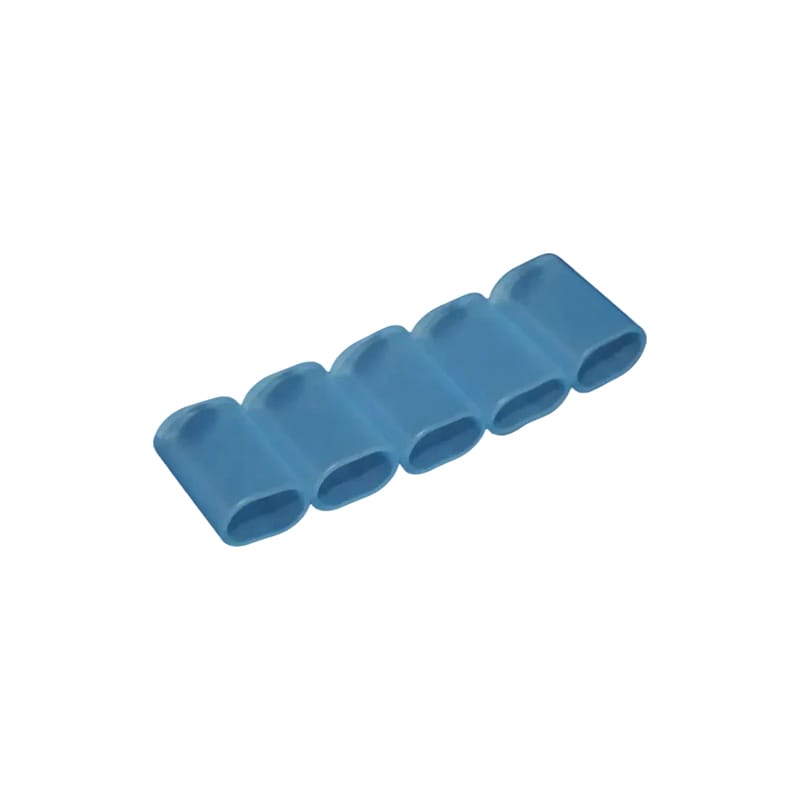
Silicone protective sleeves cover, cushion, insulate, or seal parts such as cables, connectors, sensors, rods, terminals, handles, and small equipment surfaces. A sleeve can look simple, but its performance depends on wall thickness, hardness, opening design, installation path, and the environment around the protected part. This guide explains how buyers can specify silicone protective sleeves that fit correctly and solve a real protection problem.
Define What the Sleeve Must Protect
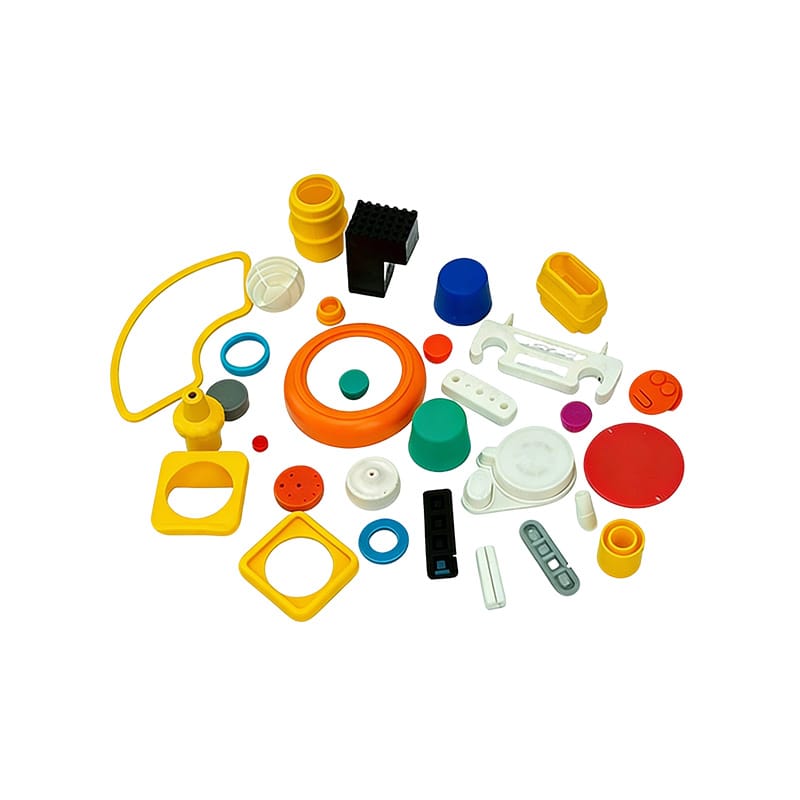
The protected part decides the sleeve design. A connector cover may need a sealing lip. A cable sleeve may need flexibility around a bend. A sensor cover may need an opening that does not interfere with the sensing area. Silicone protective sleeves should be designed around the function of the protected part, not only around outside dimensions.
Huadao provides custom silicone protective sleeves for molded protection needs. Related options include custom solid silicone rubber strip, custom molded rubber parts, and the rubber material selection guide.
A sleeve that protects a connector from dust is different from a sleeve that cushions a handle or insulates a wire. Buyers should name the primary function before discussing shape. Silicone protective sleeves can be designed for sealing, cushioning, grip, insulation, or identification, but one design rarely optimizes all of these equally.
The protected part may have sharp corners, clips, threads, shoulders, or cable bends that are not obvious in a simple dimension table. Those details can decide whether silicone protective sleeves install smoothly or tear during assembly. Photos from several angles are often more useful than a single flat drawing.
Choose Hardness and Wall Thickness
Silicone rubber is valued for flexibility, temperature behavior, and soft protection. However, silicone protective sleeves still need the right hardness and wall thickness. A very soft sleeve may stretch easily but slip off. A thick sleeve may protect better but be harder to install. A thin sleeve may fit neatly but offer less cushioning and tear resistance.
For background, readers can review silicone rubber, electrical insulation, IP code, and gaskets. Final design should follow the part geometry, installation method, and exposure conditions.
Hardness should be discussed with the installation method. A softer sleeve may stretch over a part more easily, but it may also deform during use. A harder sleeve may hold shape better but require more assembly force. Silicone protective sleeves need a hardness that works for both the worker installing the part and the equipment using it.
Wall thickness should be linked to the reason for protection. A sleeve used for cushioning may need more material around impact points, while a sleeve used for insulation may need consistent coverage. Silicone protective sleeves can be locally thickened or shaped if the drawing shows where protection is most important.
Color and surface finish may also have a practical purpose. Some silicone protective sleeves are colored for identification, while others need a smooth surface for cleaning or a textured surface for grip. These choices should be made before tooling or sampling so the supplier understands both function and appearance.
| Requirement | Design Response | Risk if Ignored |
|---|---|---|
| Easy installation | Lead-in edge or stretch allowance | Tearing during assembly. |
| Sealing | Lip, flange, or tighter fit | Dust or water entry. |
| Cushioning | Controlled wall thickness | Poor impact protection. |
| Retention | Internal rib or grip texture | Sleeve slipping off. |
Design Around Installation
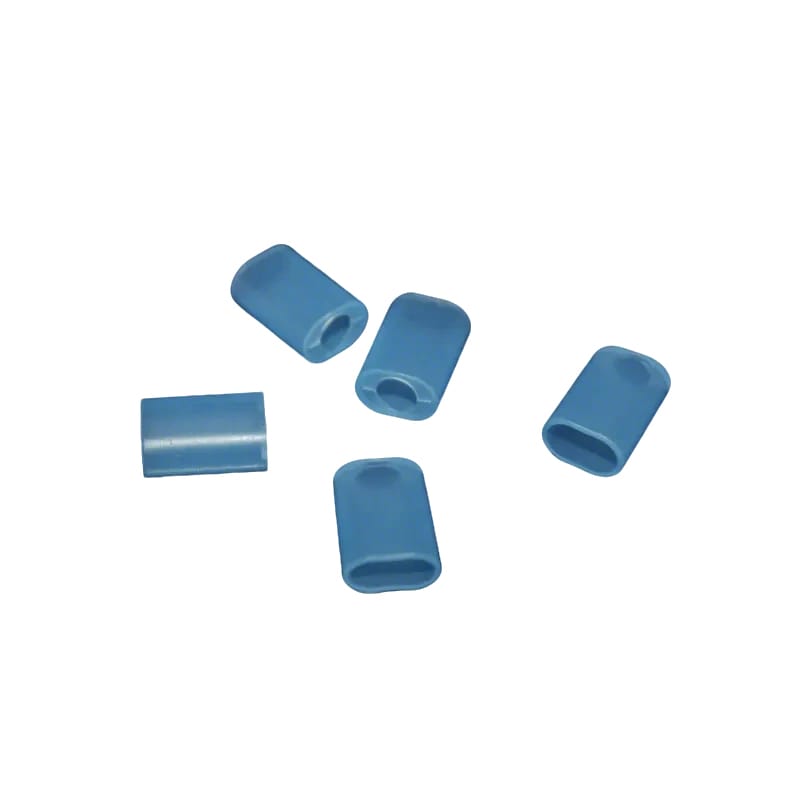
Many sleeve problems happen during installation. A sleeve may fit after assembly but tear while being pulled over a connector, shoulder, or sharp edge. The drawing should show how the sleeve is installed, not only the final position. If workers install silicone protective sleeves by hand, the design should avoid unrealistic stretch and sharp internal transitions.
Openings, ribs, tabs, and split lines should be chosen carefully. A pull tab can make assembly easier. An internal rib can improve retention. A split design can help with after-assembly installation but may reduce sealing. The right choice depends on whether the sleeve is installed before or after the equipment is assembled.
The assembly path is often missing from drawings. If a sleeve must pass over a shoulder, thread, connector clip, or sharp edge, the design needs enough stretch and a safe lead-in. Silicone protective sleeves that look correct in final position can still fail if the installation path is ignored.
If the sleeve needs to be removed for service, the design should allow removal without cutting or tearing. A small grip feature, edge radius, or controlled fit can make silicone protective sleeves easier to service while still keeping them secure during operation.
If a sleeve must seal, compression around the contact edge should be reviewed. If it must only protect from contact, a looser fit may be acceptable. Silicone protective sleeves should not be forced into one design logic when the actual function is different.
Read Failure Clues Before Redesign
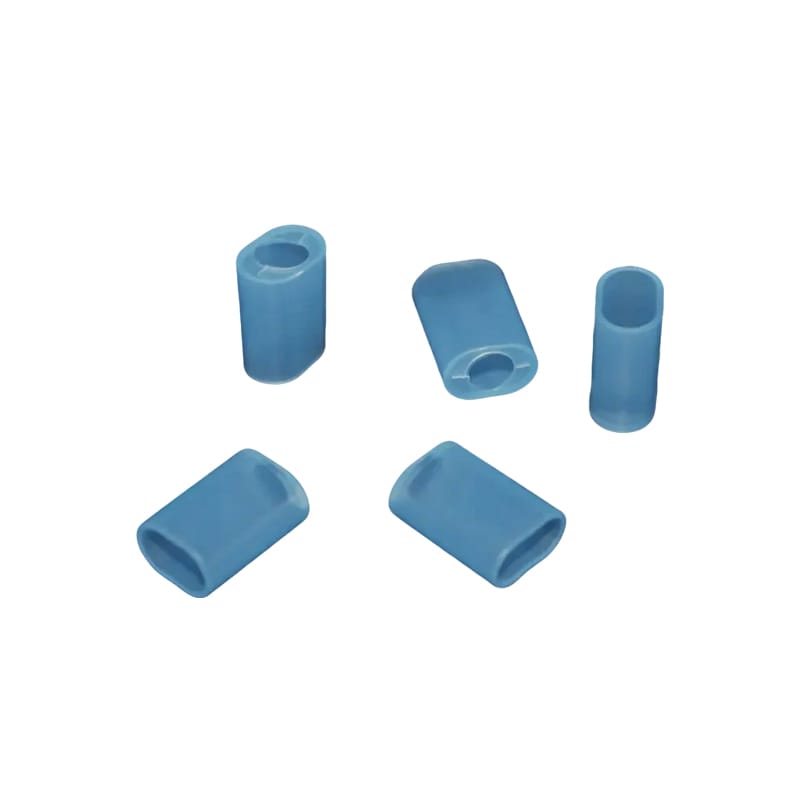
A torn edge may point to sharp installation geometry or insufficient stretch allowance. A sleeve that slips off may need a tighter fit, internal rib, or different surface texture. A sleeve that cracks may be exposed to heat or chemicals beyond the chosen material. A sleeve that traps liquid may need a drain or different orientation.
Photos of the protected part and the failed sleeve are valuable. If only a drawing is sent, the supplier may not see the assembly difficulty. If only a used sample is sent, the sample may already be stretched or damaged. Combining drawings, photos, and use conditions gives the clearest path to suitable silicone protective sleeves.
Environmental exposure should be specific. Heat, oil mist, water spray, cleaning agents, dust, and repeated bending affect sleeve life in different ways. A buyer who explains the real environment gives the supplier a better chance to recommend silicone protective sleeves that remain useful after installation.
Cleaning and contamination should also be considered. Some sleeves collect dust at edges or trap moisture inside a closed shape. If the equipment is washed or used in dusty environments, silicone protective sleeves may need drainage, smoother transitions, or a sealing lip.
Concise Quote Checklist
For a quote, send the sleeve drawing, protected part photos, installation method, target hardness, wall thickness, color, temperature, contact media, quantity, and sealing or insulation requirement. If the sleeve must fit over irregular geometry, provide a 3D file or photos from multiple angles.
Silicone protective sleeves are most successful when they protect the part, install without damage, stay in place, and avoid interfering with normal operation. A custom design helps buyers avoid covers that look correct on paper but fail during assembly or service.
For repeat production, define color, surface finish, and packaging early. Small silicone protective sleeves can be easy to mix up if several similar parts are used on the same assembly line. Clear part numbers and packaging reduce assembly mistakes.
During sample review, install the sleeve the same way production workers will install it. Silicone protective sleeves should be judged by real assembly fit, retention, and protection, not only by whether the molded part matches the drawing.
If several similar sleeves are used on one machine, mark the installation location in the drawing notes. This prevents silicone protective sleeves from being mixed during assembly.