Table of Contents
Plastic injection molding is often selected when an OEM buyer needs repeatable plastic parts, stable appearance, and efficient batch production. The process can produce housings, covers, brackets, guards, medical device shells, automotive interior parts, and many other custom components. The difficult part is not only finding a supplier. The real challenge is preparing a design that can move from drawing to mold to production without avoidable rework.
This guide explains plastic injection molding from the buyer side. It focuses on design for manufacturing, quotation preparation, material questions, and common drawing details that affect mold quality. If your team is preparing a new enclosure, industrial plastic part, or replacement component, the goal is to help you send clearer information and reduce back-and-forth before tooling begins.
Why Design Details Matter Before Tooling
In plastic injection molding, a small design choice can influence mold structure, cycle stability, surface appearance, and part strength. Wall thickness, ribs, bosses, holes, clips, draft angles, parting lines, and gate position all affect how plastic fills the cavity and cools. A part that looks simple in a 3D model may still need adjustment before it is ready for a mold.
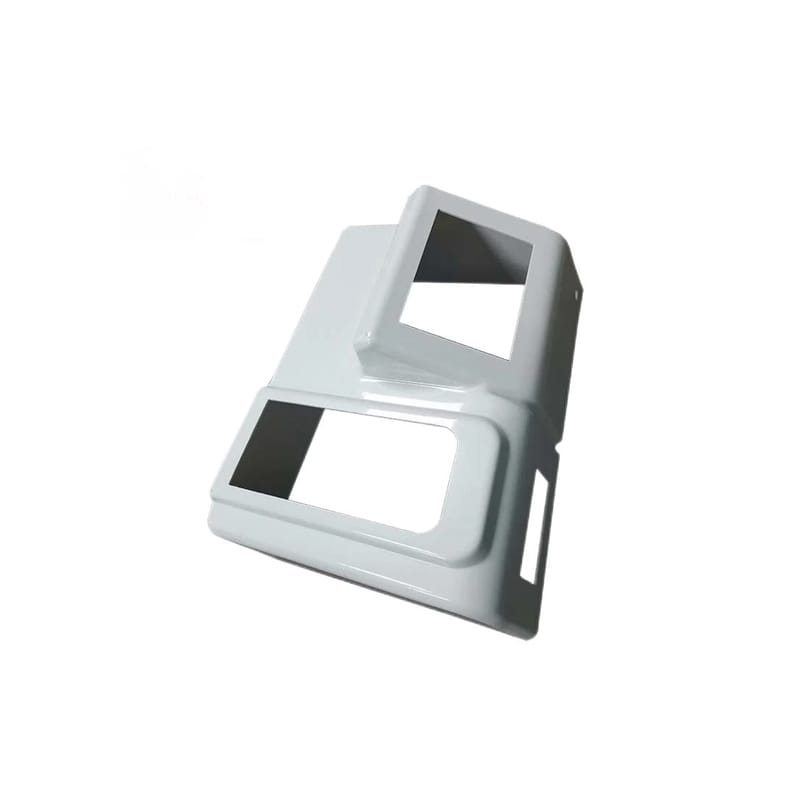
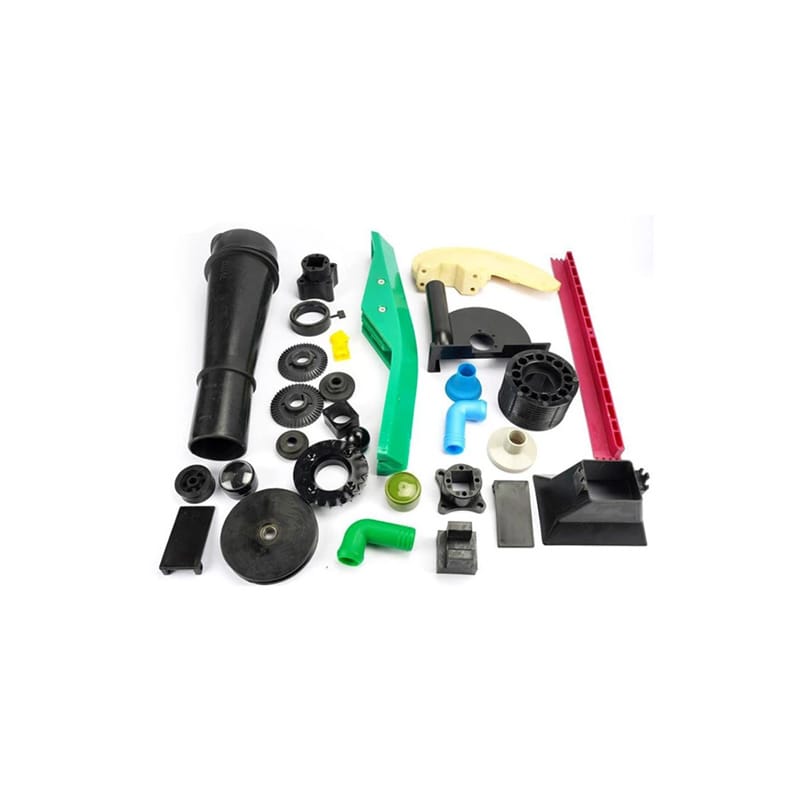
For buyers, plastic injection molding is easiest when the supplier receives a complete drawing package and a clear application description. Huadao’s custom injection molded plastic parts page shows typical molded components, while the custom plastic injection mold page connects the part design to tooling requirements. These two areas should be reviewed together, not separately.
Start With the Function of the Part
Before discussing plastic injection molding details, define what the part must do. Is it a protective enclosure, a load-bearing bracket, a cover, a guide, a spacer, or a visible exterior component? Does it need impact resistance, dimensional stability, heat resistance, chemical resistance, electrical insulation, or a smooth cosmetic surface? Function should guide material selection and mold design.
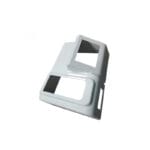
If the part is an electronic housing, the design may need screw bosses, snap fits, vents, cable openings, and a controlled surface texture. If it is an industrial machine part, the buyer may care more about strength, wear, mounting accuracy, and long service life. Huadao’s ABS plastic electronic enclosure product page is a useful example of how plastic injection molding can be applied to equipment covers and device shells.
Wall Thickness and Flow Balance
Wall thickness is one of the first items to review in plastic injection molding. Very thick sections can create sink marks, long cooling time, and internal stress. Very thin sections can cause short shots, weak areas, or filling problems. The best plastic injection molding design usually keeps the wall as uniform as practical while adding ribs or structural features where strength is needed.
| Design area | Why it matters | Buyer action |
|---|---|---|
| Wall thickness | Affects filling, cooling, sink marks, and strength | Keep sections consistent and identify critical surfaces |
| Ribs | Add stiffness without excessive mass | Use ribs instead of making the entire wall thicker |
| Bosses | Support screws and inserts | Confirm screw size, torque, and assembly method |
| Draft angle | Helps the part release from the mold | Review vertical walls and textured surfaces |
| Gate location | Influences flow marks and weld lines | Mark cosmetic and hidden surfaces |
Exact values depend on material, part size, and mold structure, so a supplier should review the drawing before production. General technical references such as injection molding on Wikipedia explain the process, but plastic injection molding decisions should be made from the actual part geometry and application.
Draft Angles, Undercuts, and Mold Release
Plastic injection molding requires the finished part to release from the mold. Straight vertical walls can create drag marks or make ejection difficult, especially if the surface is textured. Draft angles help the molded part leave the cavity cleanly. When a design includes hooks, windows, clips, or side holes, the mold may need sliders, lifters, or other moving structures.
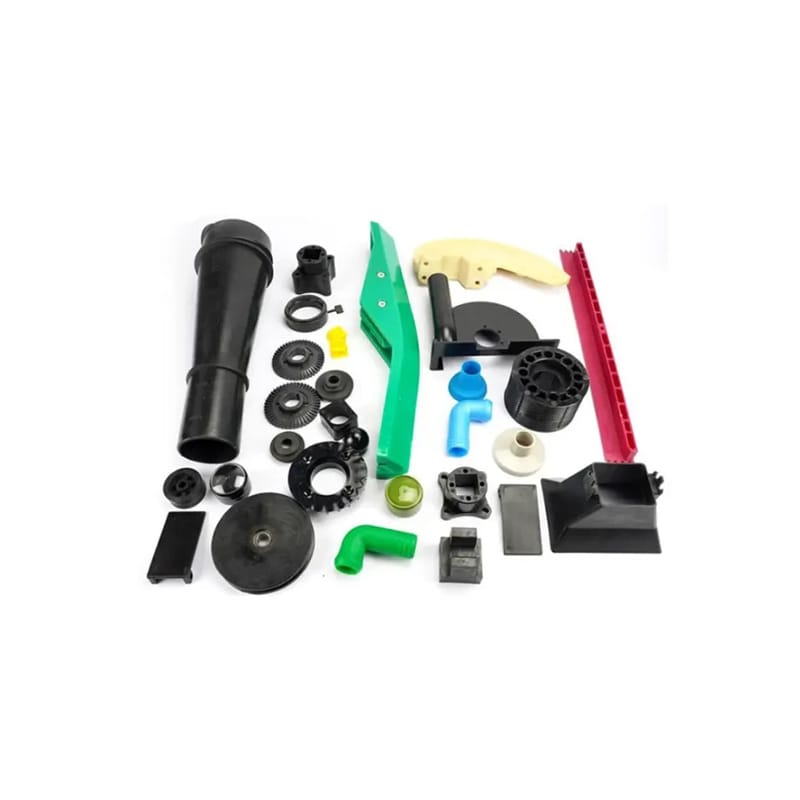
These features are not automatically wrong, but they can increase mold complexity. Buyers should tell the supplier which features are fixed by assembly requirements and which features can be adjusted. If an undercut is only decorative, it may be better to simplify the design. If it is functional, plastic injection molding tooling can be planned around it from the start.
Material Selection for Molded Parts
Material selection in plastic injection molding should start with the working environment. ABS is often used for housings and covers because it can offer practical toughness and good appearance. PP can be useful where chemical resistance and flexibility matter. Nylon can support stronger mechanical parts, but moisture absorption must be considered. POM is often selected where low friction and dimensional stability are important.
Do not select material only by color or by a previous sample. Ask what temperature, load, impact, chemical exposure, outdoor exposure, and surface finish the part requires. In plastic injection molding, the same shape can perform differently when the resin changes. If the part may contact food, medical equipment, or regulated environments, compliance must be reviewed for the exact resin grade and final use. Buyers can use official references such as 21 CFR Part 177 for general food-contact polymer context, while still confirming suitability for the specific material.
Surface Finish, Color, and Appearance
Many plastic injection molding projects fail expectations because appearance requirements were not explained early enough. A buyer may say the part should be black and smooth, but the supplier still needs to know whether the surface is visible, whether slight flow marks are acceptable, and whether texture should hide scratches. Cosmetic surfaces should be marked on the drawing.
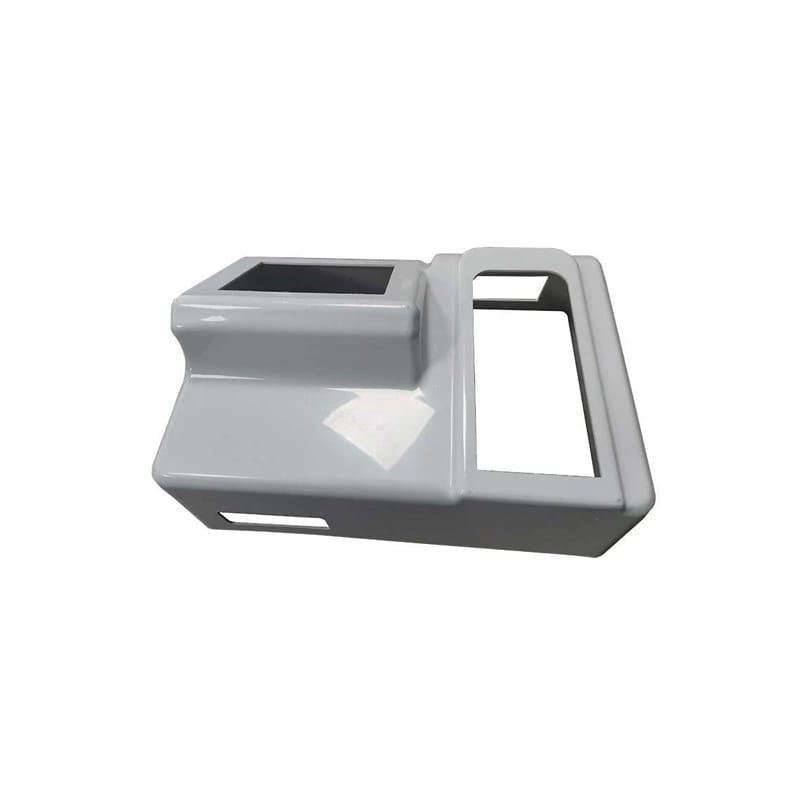
If color matching matters, send a sample or color reference. If the part needs a matte texture, glossy finish, or specific grain, discuss it before mold surface finishing. In plastic injection molding, surface decisions may affect draft, ejection, gate position, and inspection standards.
What Buyers Should Send for Quotation
A clear inquiry helps the supplier evaluate plastic injection molding correctly. Send a 3D file if available, plus a 2D drawing with critical dimensions, tolerances, material preference, color, surface finish, quantity, and application notes. For plastic injection molding quotation work, the application notes often explain risks that a drawing cannot show. If the part replaces an existing component, photos and samples are helpful, but they should not replace dimensional information.
- 3D file and 2D drawing with revision number
- Material preference and operating environment
- Critical dimensions, assembly interfaces, and cosmetic surfaces
- Expected production quantity and sample requirement
- Surface finish, color, inserts, screws, or assembly details
For buyers still deciding between machining and molding, Huadao’s custom CNC plastic parts DFM guide can help compare early-stage prototypes with production parts. The earlier guide on custom injection molded products also explains how to evaluate an OEM supplier before starting a project.
Quality Checks Before Mass Production
Before mass production, plastic injection molding projects usually need sample approval. Check dimensions, fit, color, surface finish, assembly, strength, and any functional details. If the part includes inserts, screws, clips, or sealing surfaces, test them with the real mating components. A sample that looks acceptable on a desk may still need adjustment in the machine or assembly line.
Quality systems such as ISO 9001 provide a general framework for controlled processes, and standards such as ISO 20457 relate to plastics molded parts terminology and tolerances. These references are useful background, but buyers should always define the inspection points that matter for their own part.
Common Mistakes to Avoid
The most common mistake in plastic injection molding is treating the mold as only a manufacturing step. In reality, tooling reflects every important design decision. If the design lacks draft, has uneven wall thickness, hides critical dimensions, or does not define cosmetic surfaces, the mold process becomes harder than it needs to be.
Another mistake is asking for a quote with only a photo. Photos can start a discussion, but plastic injection molding requires dimensions, material, quantity, and application details. Without that information, the supplier can only guess. Clear plastic injection molding data helps both sides avoid unrealistic assumptions and supports a smoother development process.
Conclusion
Plastic injection molding can be a strong choice for OEM plastic parts when the design, material, mold structure, and quality expectations are aligned before production. Buyers do not need to know every mold detail, but they should understand the questions that affect cost, lead time, and part reliability.
If you are preparing a new plastic housing, molded industrial component, or custom production part, send drawings, samples, material requirements, and application details to Huadao through the contact page. A better early discussion usually leads to better plastic injection molding results.