Table of Contents
A nylon conveyor roller can look like a simple rotating part, but it has a direct effect on conveyor noise, product movement, belt support, and maintenance cost. When the roller surface is worn, the bearing fit is loose, or the shaft alignment is poor, the whole conveyor line may become louder, less stable, and harder to keep running. For maintenance teams and equipment buyers, the key is to understand what the roller is telling you before ordering the next replacement.
This guide explains how to inspect, maintain, and specify a nylon conveyor roller for industrial conveyor systems. It is written for buyers, engineers, and maintenance staff who work with packaging lines, material handling equipment, automation systems, and custom machinery. The focus is practical: what to check, what information to send, and how to avoid repeating the same roller problem.
Why Nylon Is Used for Conveyor Rollers
A nylon conveyor roller is commonly selected because nylon can offer a useful balance of strength, wear resistance, impact resistance, and lower noise compared with many metal rollers. It is also easier to machine into custom profiles, grooves, end shapes, or special bearing seats. For conveyor systems where weight, noise, and product protection matter, a nylon conveyor roller can be a practical choice.
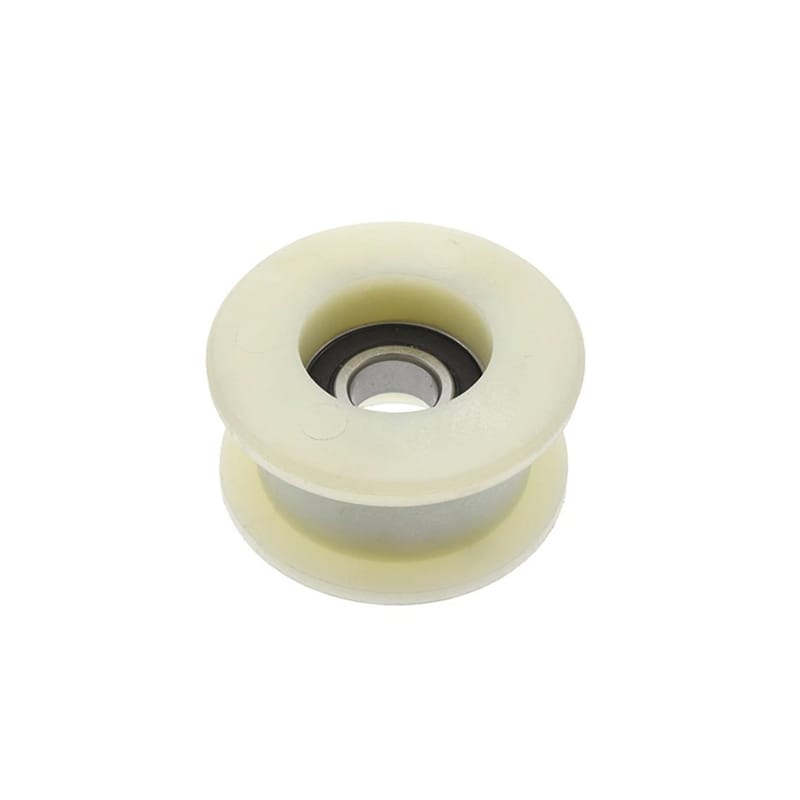
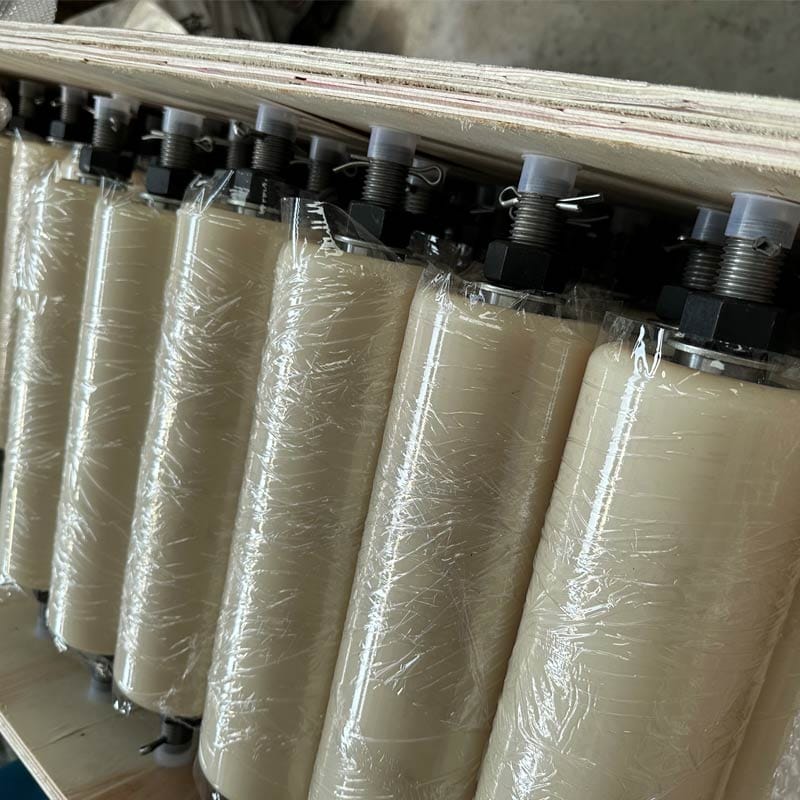
Huadao supplies a custom nylon conveyor roller for nonstandard conveyor applications. The earlier plastic conveyor rollers selection guide explains basic material selection. This article goes further into maintenance, inspection, and replacement decisions for a nylon conveyor roller already running in a conveyor line.
Start With the Roller Function
Before replacing a nylon conveyor roller, confirm what the roller does in the system. Some rollers support product weight. Some guide a belt or chain. Some keep items aligned during transfer. Others act as idlers with low load but high running time. A roller used as a guide may need a groove or flange, while a support roller may need a stronger shaft and better load distribution.
The function matters because the correct nylon conveyor roller is not defined only by outside diameter and length. Bearing type, bore size, shaft fit, surface finish, roller hardness, wall thickness, and operating speed all influence performance. If the original roller failed early, copying the same design may not solve the real issue.
Inspection Checklist for Existing Rollers
When a nylon conveyor roller begins to make noise or wear unevenly, inspect the roller before removing all evidence of the problem. The worn surface can show whether the issue is overload, misalignment, contamination, poor bearing fit, or contact with a sharp edge. Maintenance photos are very useful when discussing replacements with a supplier.
- Check whether the roller surface is evenly polished or worn on one side.
- Spin the roller by hand and listen for rough bearing noise.
- Measure outside diameter, overall length, bore, and bearing seat.
- Look for cracks, flat spots, grooves, deformation, or melted surfaces.
- Check whether the shaft and frame are aligned.
- Record conveyor speed, load, cleaning method, and operating environment.
If several rollers show the same pattern, the conveyor may have a system problem rather than a single part problem. A nylon conveyor roller can be damaged by a stretched belt, incorrect chain path, bent frame, abrasive dust, or excessive side force.
Common Problems and Likely Causes
| Problem | Possible cause | What to check |
|---|---|---|
| Noise increases | Bearing wear, poor alignment, rough shaft fit | Bearing seat, shaft straightness, frame position |
| One side wears faster | Side load or conveyor misalignment | Belt path, guide rails, mounting brackets |
| Flat spots appear | Roller stops rotating under load | Bearing condition, contamination, shaft fit |
| Surface becomes rough | Abrasive dust or product residue | Cleaning routine and surrounding wear parts |
| Cracks near bearing seat | Press fit too tight or impact load | Bearing tolerance, wall thickness, material grade |
This table is not a substitute for engineering review, but it helps the buyer describe the problem more clearly. A supplier can recommend a better nylon conveyor roller when the failure pattern is visible and the working condition is understood.
Bearing Fit and Shaft Details
The bearing seat is one of the most important details in a nylon conveyor roller. If the bearing fit is too loose, the bearing may move in the plastic body and create noise or wear. If the fit is too tight, stress can build around the seat and shorten service life. The supplier needs to know the bearing model, shaft diameter, working speed, and whether the roller is easy to replace during maintenance.
A drawing should show the bore, bearing pocket depth, shoulder, end face, and any retaining features. If a bearing is supplied by the buyer, send the exact bearing information. If the supplier provides the bearing, confirm the load and speed expectations. The best nylon conveyor roller design supports smooth rotation without forcing the plastic body to handle stress it was not designed for.
Surface Finish, Grooves, and Product Contact
Surface finish affects how a nylon conveyor roller contacts the product, belt, or guide surface. A smoother roller can reduce friction and noise in many applications. A grooved roller may be required to guide a belt, cable, or product edge. A crowned surface may help some belt applications, while a flat roller may be better for general support.
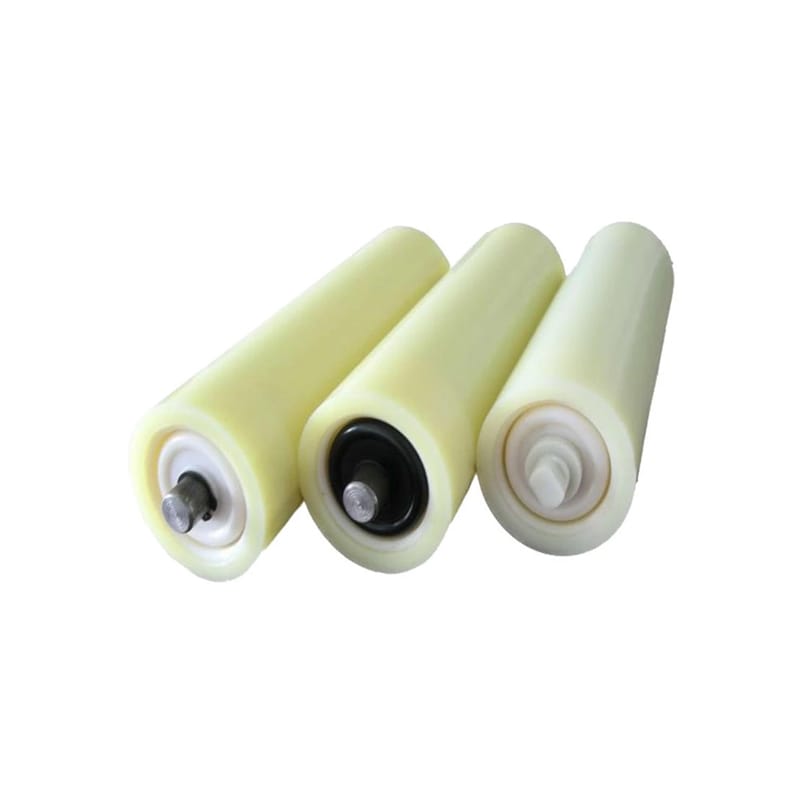
Do not change a groove or profile without checking the conveyor path. A small profile change can shift the belt or product contact point. If the roller works with guide rails, chain guides, or wear strips, review those components too. Huadao also supplies custom plastic chain guide rail parts and UHMWPE conveyor wear strip products that often operate near a nylon conveyor roller in the same line.
Maintenance Practices That Reduce Roller Failure
Regular maintenance can extend the service life of a nylon conveyor roller. Keep the conveyor path clean, especially if the line handles powders, chips, abrasive products, or broken packaging. Check whether rollers spin freely during scheduled maintenance. If one roller is stuck, replace or repair it before the belt creates a flat spot on the surface.
Frame alignment should also be checked. A nylon conveyor roller may wear unevenly if the shaft is not square to the conveyor path. Do not ignore repeated noise in the same area of the line. If replacement rollers fail in the same position, look for an installation problem, not only a material problem. For general safety around moving equipment, teams can review the OSHA machine guarding guidance before inspection or repair work.
When to Replace a Roller
A nylon conveyor roller should be replaced when it no longer rotates smoothly, when the bearing seat is damaged, when the surface has flat spots, or when wear changes product movement. Replacement is also recommended if the roller creates abnormal noise or causes belt tracking problems. Waiting too long can damage belts, guide rails, shafts, and nearby wear components.
For planned maintenance, record installation date, operating hours, line position, and replacement reason. Over time, this record shows whether the nylon conveyor roller is performing normally or whether the conveyor line needs a design review. The UHMWPE wear parts maintenance guide uses a similar inspection approach for sliding conveyor components.
Information to Send for Custom Rollers
When requesting a custom nylon conveyor roller, send more than the roller name. Include the outside diameter, length, bore, bearing type, shaft diameter, groove dimensions, surface finish, load, speed, quantity, and working environment. If possible, send a drawing and photos of the roller installed in the conveyor.
- Overall roller dimensions and critical tolerances
- Bearing model, shaft size, and mounting method
- Load, speed, temperature, and cleaning conditions
- Surface profile, groove shape, and product contact area
- Photos of wear, noise location, or failure pattern
If you are comparing roller materials, the POM vs nylon parts guide may help with material discussion. For conveyor layout questions, the custom plastic chain guide rail selection guide can help review nearby guide components that influence roller performance.
Useful Standards and References
Roller design depends on the actual machine, but general references can help buyers use clearer technical language. The conveyor system overview on Wikipedia explains common conveyor concepts. Quality management references such as ISO 9001 are useful for understanding process control. Industry groups such as CEMA also provide background for conveyor equipment terminology and practices.
Conclusion
A nylon conveyor roller should be selected and maintained as part of the full conveyor system. Material, bearing fit, shaft alignment, surface profile, load, speed, and surrounding guide parts all influence performance. When a roller fails, the wear pattern often gives useful clues about the real cause.
If your equipment needs a custom nylon conveyor roller, send drawings, photos, bearing details, and application notes to Huadao through the contact page. Clear information helps the supplier recommend a roller that fits the line, reduces maintenance surprises, and supports smoother conveyor operation.