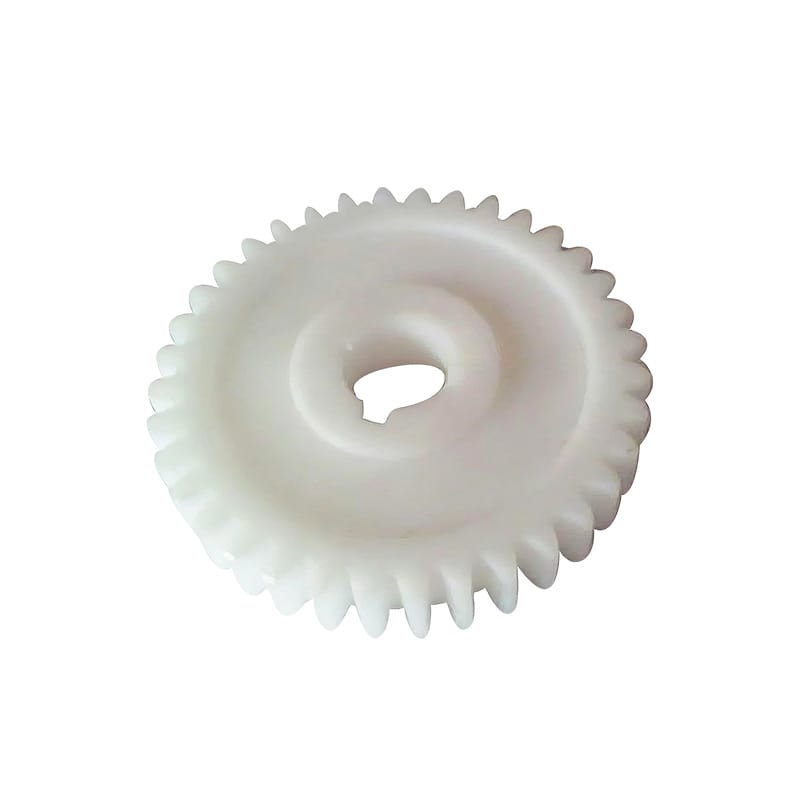
শিল্প সরঞ্জাম শুধুমাত্র মোটর, বিয়ারিং বা নিয়ন্ত্রণ ব্যবস্থার কারণে ব্যর্থ হয় না। অনেক মেশিনে, একটি ছোট গিয়ার সিদ্ধান্ত নিতে পারে যে পুরো ট্রান্সমিশন সিস্টেমটি শান্তভাবে চলে, সমানভাবে পরিধান করে বা অপ্রত্যাশিতভাবে বন্ধ হয়ে যায়। সেজন্য একটি পছন্দ নাইলন গিয়ার একটি সাধারণ উপাদান প্রতিস্থাপন হিসাবে বিবেচনা করা উচিত নয়।.
একটি ভাল ডিজাইন করা নাইলন গিয়ার শব্দ কমাতে পারে, মেশিনের ওজন কমাতে পারে, ক্ষয় প্রতিরোধ করতে পারে এবং অনেক শিল্প অ্যাপ্লিকেশনে রক্ষণাবেক্ষণকে সহজ করতে পারে। এটি ব্যবহারিক কর্মক্ষমতা ত্যাগ না করেই নির্বাচিত ট্রান্সমিশন সিস্টেমে ধাতব গিয়ারগুলি প্রতিস্থাপন করতে সরঞ্জাম প্রস্তুতকারকদের সাহায্য করতে পারে। যাইহোক, নাইলন প্রতিটি কাজের অবস্থার জন্য একটি সর্বজনীন সমাধান নয়। লোড, গতি, তাপমাত্রা, আর্দ্রতা, দাঁতের নকশা, খাদ প্রান্তিককরণ এবং উত্পাদন পদ্ধতি সবই চূড়ান্ত ফলাফলকে প্রভাবিত করে।.
নাইলন গিয়ার প্রস্তুতকারক হিসাবে, আমরা প্রায়শই ক্রেতাদের শুরুতে শুধুমাত্র আকার বা উপাদানের নামের উপর ফোকাস করতে দেখি। বাস্তবে, ভাল প্রশ্নটি কেবল “আমি কি নাইলন গিয়ার ব্যবহার করতে পারি?” নয়, ভাল প্রশ্ন হল: “এই গিয়ারটি কোন কাজের পরিস্থিতিতে টিকে থাকতে হবে এবং কোন নাইলন গিয়ার ডিজাইন ট্রান্সমিশনকে আরও স্থিতিশীল করতে পারে?”
এই নির্দেশিকাটি ব্যাখ্যা করে যে কীভাবে একটি ব্যবহারিক উত্পাদন দৃষ্টিকোণ থেকে শিল্প সরঞ্জামের জন্য সঠিক নাইলন গিয়ার চয়ন করতে হয়।.
বিষয়বস্তুর সারণী
গিয়ারের আসল কাজ দিয়ে শুরু করুন
উপাদান বা উত্পাদন পদ্ধতি নির্বাচন করার আগে, আপনাকে বুঝতে হবে যে গিয়ারটি আসলে মেশিনের ভিতরে কী করছে।.
একটি নাইলন গিয়ার টর্ক প্রেরণ, গতি কমাতে, গতির দিক পরিবর্তন করতে, গতিবিধি সিঙ্ক্রোনাইজ করতে, যান্ত্রিক শব্দ কমাতে বা সংযুক্ত উপাদানগুলিকে অতিরিক্ত প্রভাব থেকে রক্ষা করতে ব্যবহার করা যেতে পারে। এই বিভিন্ন কাজের জন্য বিভিন্ন কাঠামোর প্রয়োজন হয়।.
উদাহরণস্বরূপ, একটি হালকা-শুল্ক পরিবাহক সমন্বয় পদ্ধতিতে ব্যবহৃত একটি নাইলন স্পার গিয়ার একটি হ্রাস ড্রাইভের ভিতরে নাইলন ওয়ার্ম গিয়ারের মতো একই অবস্থার সম্মুখীন হয় না। ক নাইলন গিয়ার রৈখিক গতির জন্য ব্যবহৃত র্যাকে ট্রান্সমিশনের দিক পরিবর্তন করতে ব্যবহৃত নাইলন বেভেল গিয়ার থেকে বিভিন্ন স্ট্রেস পয়েন্ট রয়েছে।.
যখন কাজের ফাংশন পরিষ্কার হয়, বাকি নির্বাচন অনেক সহজ হয়ে যায়।.
প্রথমে নিশ্চিত করার জন্য গুরুত্বপূর্ণ প্রশ্নগুলির মধ্যে রয়েছে:
| সিলেকশন পয়েন্ট | কেন এটা গুরুত্বপূর্ণ |
|---|---|
| ট্রান্সমিশন টাইপ | স্পার, হেলিকাল, বেভেল, ওয়ার্ম বা র্যাক ডিজাইন উপযুক্ত কিনা তা নির্ধারণ করে |
| লোড এবং টর্ক | উপাদান গ্রেড, দাঁত প্রস্থ, এবং দাঁত প্রোফাইল প্রভাবিত করে |
| গতি | তাপ তৈরি, শব্দ এবং পরিধানের আচরণকে প্রভাবিত করে |
| অপারেটিং সময় | ক্রমাগত অপারেশন ভাল পরিধান এবং তাপ বিবেচনা প্রয়োজন |
| পরিবেশ | আর্দ্রতা, রাসায়নিক, ধুলো এবং তাপমাত্রা নাইলনের কর্মক্ষমতা প্রভাবিত করে |
| ম্যাচিং অংশ | গিয়ারটি ধাতু, প্লাস্টিক বা অন্য নাইলন উপাদান দিয়ে মেশ করতে পারে |
| প্রয়োজনীয় নির্ভুলতা | সিএনসি মেশিনিং, হবিং বা ছাঁচনির্মাণ ভাল কিনা তা নির্ধারণ করে |
এই পদক্ষেপটি কাস্টম নাইলন গিয়ারের জন্য বিশেষভাবে গুরুত্বপূর্ণ। যদি অ্যাপ্লিকেশনের বিবরণ অস্পষ্ট হয়, গিয়ারটি সঠিক আকারে তৈরি করা যেতে পারে তবে ভুল কাজের পরিবেশে ব্যর্থ হতে পারে।.
কেন নাইলন গিয়ার শিল্প সরঞ্জাম ব্যবহার করা হয়
নাইলন গিয়ার জনপ্রিয় কারণ তারা যান্ত্রিক ট্রান্সমিশন সিস্টেমে পাওয়া বেশ কয়েকটি সাধারণ সমস্যার সমাধান করে।.
অনেক ধাতব গিয়ারের সাথে তুলনা করে, নাইলন গিয়ারগুলি হালকা এবং উপযুক্ত অ্যাপ্লিকেশনগুলিতে কম শব্দের সাথে চলতে পারে। নাইলনের ভাল পরিধান প্রতিরোধ ক্ষমতা, প্রভাব শোষণ এবং জারা প্রতিরোধ ক্ষমতা রয়েছে, যা এটিকে আর্দ্রতার সংস্পর্শে থাকা মেশিনগুলিতে বা যেখানে শান্ত অপারেশন গুরুত্বপূর্ণ সেখানে দরকারী করে তোলে।.
অনেক শিল্প ক্রেতার জন্য, একটি গিয়ারের প্রধান মূল্য শুধুমাত্র উপাদান খরচ বা ওজন হ্রাস নয়। আসল মান হল সিস্টেমের উন্নতি। একটি সঠিকভাবে ডিজাইন করা নাইলন প্লাস্টিকের গিয়ার কম্পন কমাতে পারে, মিলনের অংশগুলিকে রক্ষা করতে পারে এবং সরঞ্জামগুলিতে মসৃণ চলাচল সমর্থন করতে পারে যেখানে ধাতু-অন-ধাতুর যোগাযোগ খুব কোলাহলপূর্ণ বা খুব আক্রমণাত্মক হতে পারে।.
নির্মাতারা গিয়ার বেছে নেওয়ার সাধারণ কারণগুলির মধ্যে রয়েছে:
ট্রান্সমিশন সিস্টেমে কম চলমান শব্দ
চলন্ত সমাবেশে ওজন হ্রাস
অপরিশোধিত ধাতব গিয়ারের চেয়ে মরিচা এবং আর্দ্রতার ভাল প্রতিরোধ
উপযুক্ত লোড অধীনে ভাল পরিধান কর্মক্ষমতা
অনেক যান্ত্রিক অ্যাপ্লিকেশনে নিম্ন ঘর্ষণ
তৈলাক্তকরণের প্রয়োজনীয়তার সম্ভাব্য হ্রাস
কাস্টম আকার, দাঁত, বোর এবং হাব ডিজাইনের জন্য নমনীয়তা
এই কারণেই নাইলন গিয়ারগুলি প্রায়শই প্যাকেজিং যন্ত্রপাতি, পরিবাহক সিস্টেম, অটোমেশন সরঞ্জাম, টেক্সটাইল যন্ত্রপাতি, খাদ্য প্রক্রিয়াকরণ সরঞ্জাম, পাম্প, ভালভ, ছোট মোটর এবং OEM যন্ত্রপাতি অংশগুলিতে ব্যবহৃত হয়।.
নাইলন গিয়ার বনাম মেটাল গিয়ার: কাজের শর্ত অনুসারে পছন্দ করুন
এই পণ্যের চারপাশে সর্বাধিক অনুসন্ধান করা বিষয়গুলির মধ্যে একটি হল নাইলন গিয়ার এবং ধাতব গিয়ারের মধ্যে তুলনা। এটি একটি ভাল বিষয় কারণ অনেক ক্রেতা শুধুমাত্র একটি গিয়ার কিনছেন না; তারা একটি বিদ্যমান উপাদান প্রতিস্থাপন কিনা সিদ্ধান্ত নিচ্ছে।.
উত্তর আবেদনের উপর নির্ভর করে।.
একটি নাইলন গিয়ার ভাল পছন্দ হতে পারে যখন সরঞ্জামগুলির শান্ত অপারেশন, কম ওজন, জারা প্রতিরোধের, মাঝারি লোড ট্রান্সমিশন, বা মসৃণ ব্যস্ততার প্রয়োজন হয়। মেশিনে যেখানে শব্দ কমানো গুরুত্বপূর্ণ, নাইলন প্রায়শই ধাতব গিয়ারের সাথে যুক্ত তীক্ষ্ণ মেশিং শব্দ কমাতে সাহায্য করতে পারে।.
একটি ধাতব গিয়ার এখনও ভাল হতে পারে যখন সিস্টেমে খুব বেশি লোড, উচ্চ শক, উচ্চ তাপমাত্রা, চরম টর্ক বা কঠোর যান্ত্রিক প্রভাব জড়িত থাকে। মেটাল গিয়ারগুলি প্রায়শই অ্যাপ্লিকেশনগুলিতে পছন্দ করা হয় যেখানে সর্বাধিক অনমনীয়তা এবং উচ্চ তাপীয় স্থিতিশীলতা প্রয়োজন।.
সর্বোত্তম সিদ্ধান্তটি নাইলন বা ধাতু সাধারণভাবে “ভাল” কিনা তার উপর ভিত্তি করে নয়। এটি গিয়ার উপাদান লোড, গতি, পরিবেশ এবং পরিষেবা জীবন প্রত্যাশার সাথে মেলে কিনা তার উপর ভিত্তি করে।.
| অবস্থা | নাইলন গিয়ার উপযুক্ত হতে পারে | মেটাল গিয়ার আরও উপযুক্ত হতে পারে |
|---|---|---|
| শব্দ-সংবেদনশীল অপারেশন | হ্যাঁ | কখনও কখনও বিশেষ চিকিত্সা ছাড়া গোলমাল |
| লাইটওয়েট ডিজাইন | হ্যাঁ | সাধারণত ভারী |
| ভেজা বা ক্ষয়কারী পরিবেশ | প্রায়ই উপযুক্ত | আবরণ বা স্টেইনলেস উপাদান প্রয়োজন হতে পারে |
| মাঝারি লোড ট্রান্সমিশন | প্রায়ই উপযুক্ত | উপযুক্ত |
| উচ্চ শক লোড | যত্নশীল নকশা প্রয়োজন | প্রায়ই শক্তিশালী |
| উচ্চ তাপমাত্রা অপারেশন | নাইলন গ্রেড দ্বারা সীমাবদ্ধ | সাধারণত শক্তিশালী |
| কাস্টম ছোট-ব্যাচ অংশ | মেশিনিং সঙ্গে ভাল | এছাড়াও সম্ভব |
| উচ্চ-ভলিউম উত্পাদন | ছাঁচনির্মাণ সঙ্গে ভাল | প্রক্রিয়ার উপর নির্ভর করে |
অনেক সরঞ্জাম প্রস্তুতকারকদের জন্য, সবচেয়ে স্মার্ট সমাধান সবসময় একটি সম্পূর্ণ প্রতিস্থাপন নয়। কখনও কখনও একটি নাইলন গিয়ার একটি সুষম কাঠামো তৈরি করতে একটি ধাতব শ্যাফ্ট, মেটাল হাব বা মেটাল মেটিং গিয়ারের সাথে একসাথে কাজ করতে পারে।.
সঠিক নাইলন উপাদান চয়ন করুন: PA6, PA66, বা চাঙ্গা নাইলন
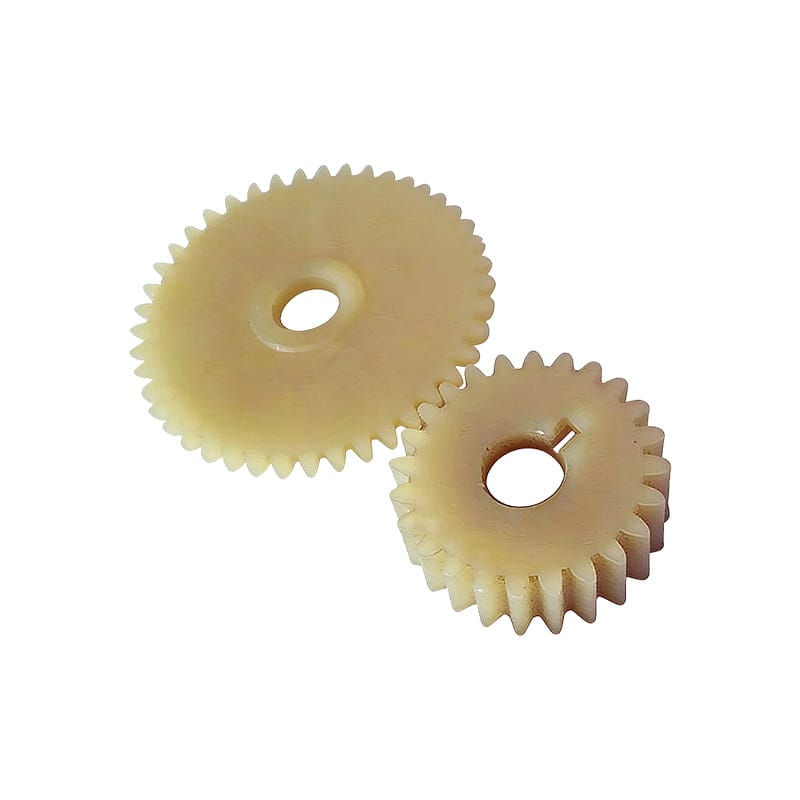
উপাদান নির্বাচন নাইলন গিয়ার উত্পাদন সবচেয়ে গুরুত্বপূর্ণ সিদ্ধান্ত এক। “নাইলন গিয়ার” নামটি খুব সাধারণ। বিভিন্ন নাইলন গ্রেড লোড, তাপ, আর্দ্রতা এবং বারবার চলাচলের অধীনে ভিন্নভাবে আচরণ করতে পারে।.
PA6 নাইলন গিয়ার
PA6 নাইলন গিয়ার সাধারণত অনেক শিল্প অ্যাপ্লিকেশনে ব্যবহৃত হয় কারণ এটি দৃঢ়তা, পরিধান প্রতিরোধের এবং যন্ত্রের একটি ভাল ভারসাম্য প্রদান করে। এটি প্রায়শই কাস্টম মেশিনযুক্ত নাইলন গিয়ার, প্রতিস্থাপন অংশ এবং মাঝারি-শুল্ক ট্রান্সমিশন উপাদানগুলির জন্য নির্বাচিত হয়।.
PA6 একটি ব্যবহারিক পছন্দ হতে পারে যখন ক্রেতার একটি টেকসই প্লাস্টিকের গিয়ারের প্রয়োজন হয় যার ভালো প্রভাব প্রতিরোধ ক্ষমতা এবং সাধারণ যন্ত্রপাতির পরিস্থিতিতে স্থিতিশীল কর্মক্ষমতা থাকে। এটি অনেক কাস্টম গিয়ার ডিজাইনের জন্যও উপযুক্ত, বিশেষ করে যখন অংশটিতে নাইলন রড, প্লেট বা ঢালাই উপাদান থেকে মেশিনিং প্রয়োজন হয়।.
PA66 নাইলন গিয়ার
PA66 নাইলন গিয়ার প্রায়ই নির্বাচন করা হয় যখন উচ্চ শক্তি, অনমনীয়তা এবং তাপ প্রতিরোধের প্রয়োজন হয়। অনেক ইঞ্জিনিয়ারিং অ্যাপ্লিকেশনে, PA66 ধাতু প্রতিস্থাপন অংশগুলির জন্য একটি শক্তিশালী উপাদান বিকল্প হিসাবে বিবেচিত হয়।.
উচ্চতর যান্ত্রিক চাপের মধ্যে কাজ করে বা আরও ভাল মাত্রিক স্থিতিশীলতার প্রয়োজন হয় এমন সরঞ্জামগুলির জন্য, PA66 নাইলন গিয়ারগুলি স্ট্যান্ডার্ড নাইলন গ্রেডের তুলনায় উন্নত কর্মক্ষমতা প্রদান করতে পারে। যাইহোক, চূড়ান্ত পছন্দ এখনও গিয়ারের আকার, কাজের লোড, গতি এবং পরিবেশগত অবস্থার উপর নির্ভর করে।.
গ্লাস-ভরা নাইলন গিয়ার
কাচ-ভরা নাইলন গিয়ার ব্যবহার করা হয় যখন উচ্চ দৃঢ়তা এবং শক্তির প্রয়োজন হয়। শক্তিবৃদ্ধি উপাদানটির যান্ত্রিক বৈশিষ্ট্যগুলিকে উন্নত করতে পারে, তবে এটি গিয়ারের পরিধান এবং মিলনের উপাদানগুলির সাথে যোগাযোগের উপায়ও পরিবর্তন করে।.
এই উপাদান সাবধানে নির্বাচন করা উচিত। যদি গিয়ারটি একটি নরম অংশের সাথে মেশ করে, তাহলে চাঙ্গা নাইলন মিলনের উপাদানের পরিধান বাড়াতে পারে। এই কারণে, একটি প্রস্তুতকারকের গ্লাস-ভরা নাইলন সুপারিশ করার আগে সম্পূর্ণ ট্রান্সমিশন সিস্টেম পরীক্ষা করা উচিত।.
কাস্ট নাইলন গিয়ার
কাস্ট নাইলন গিয়ার প্রায়ই বড় গিয়ার বা ভারী-শুল্ক কাস্টম অংশগুলির জন্য ব্যবহৃত হয়। এটি ভাল পরিধান প্রতিরোধের এবং প্রভাব শক্তি প্রদান করতে পারে, বিশেষ করে শিল্প সরঞ্জামগুলিতে মেশিনযুক্ত গিয়ারগুলির জন্য।.
কাস্ট নাইলন প্রায়শই একটি ব্যবহারিক বিকল্প হয় যখন গিয়ারের আকার বড় হয়, পরিমাণটি ইনজেকশন ছাঁচনির্মাণের জন্য যথেষ্ট বেশি হয় না, বা গ্রাহকের অঙ্কন বা নমুনার উপর ভিত্তি করে একটি কাস্টম কাঠামোর প্রয়োজন হয়।.
গতি এবং লোডের উপর ভিত্তি করে গিয়ার টাইপ নির্বাচন করুন
বিভিন্ন গিয়ার কাঠামো বিভিন্ন গতি আচরণ তৈরি করে। সঠিক গিয়ার টাইপ নির্বাচন করা উপাদান নির্বাচন করার মতোই গুরুত্বপূর্ণ।.
নাইলন স্পার গিয়ার
একটি নাইলন স্পার গিয়ার হল সবচেয়ে সাধারণ গিয়ারের ধরনগুলির মধ্যে একটি। এটির সোজা দাঁত রয়েছে এবং এটি সমান্তরাল শ্যাফ্ট ট্রান্সমিশনের জন্য ব্যবহৃত হয়। এটি অনেক শিল্প মেশিনের জন্য উপযুক্ত কারণ কাঠামোটি সহজ, দক্ষ এবং তৈরি করা সহজ।.
নাইলন স্পার গিয়ারগুলি প্রায়শই পরিবাহক, প্যাকেজিং সরঞ্জাম, ছোট ড্রাইভ সিস্টেম, সমন্বয় প্রক্রিয়া এবং সাধারণ যন্ত্রপাতি অংশগুলিতে ব্যবহৃত হয়।.
এর জন্য সেরা:
সহজ ট্রান্সমিশন
সমান্তরাল খাদ
মাঝারি গতি
কাস্টম প্রতিস্থাপন গিয়ার
সাধারণ শিল্প যন্ত্রপাতি
নাইলন হেলিকাল গিয়ার
একটি নাইলন হেলিকাল গিয়ারে কোণযুক্ত দাঁত থাকে, যা একটি স্পার গিয়ারের চেয়ে মসৃণ ব্যস্ততার অনুমতি দেয়। এটি শব্দ কমাতে এবং সংক্রমণ স্থিতিশীলতা উন্নত করতে সাহায্য করতে পারে।.
হেলিকাল গিয়ারগুলি প্রায়শই ব্যবহৃত হয় যখন সরঞ্জামগুলির শান্ত অপারেশন বা মসৃণ টর্ক ট্রান্সমিশনের প্রয়োজন হয়। যাইহোক, কোণীয় দাঁতের নকশা অক্ষীয় বল তৈরি করে, তাই শ্যাফ্ট সমর্থন এবং ভারবহন নকশা বিবেচনা করা আবশ্যক।.
এর জন্য সেরা:
কম শব্দ সংক্রমণ
মসৃণ আন্দোলন
উচ্চ যোগাযোগ অনুপাত
স্থিতিশীল খাদ সমর্থন সঙ্গে শিল্প সরঞ্জাম
নাইলন ওয়ার্ম গিয়ার
একটি নাইলন ওয়ার্ম গিয়ার সাধারণত হ্রাস সিস্টেমে ব্যবহৃত হয়। এটি মসৃণ আন্দোলন এবং কমপ্যাক্ট সংক্রমণ প্রদান করতে পারে। অনেক অ্যাপ্লিকেশনে, নাইলন ওয়ার্ম চাকাগুলি শব্দ এবং পরিধান কমাতে ধাতব কৃমির সাথে যুক্ত করা হয়।.
এই কাঠামোটি সমন্বয় সিস্টেম, ছোট অ্যাকচুয়েটর, উত্তোলন প্রক্রিয়া এবং কমপ্যাক্ট ট্রান্সমিশন ইউনিটগুলিতে সাধারণ।.
এর জন্য সেরা:
গতি হ্রাস
কমপ্যাক্ট ড্রাইভ সিস্টেম
শান্ত অপারেশন
গতি নিয়ন্ত্রণ অ্যাপ্লিকেশন
নাইলন বেভেল গিয়ার
একটি নাইলন বেভেল গিয়ার ব্যবহার করা হয় যখন ট্রান্সমিশনের দিক পরিবর্তন করতে হয়, সাধারণত ছেদকারী শ্যাফ্টের মধ্যে। এটি প্রায়শই এমন সরঞ্জামগুলিতে ব্যবহৃত হয় যেখানে স্থান সীমিত বা যেখানে শক্তি একটি কোণে স্থানান্তর করা আবশ্যক।.
এর জন্য সেরা:
ডান-কোণ সংক্রমণ
কমপ্যাক্ট যান্ত্রিক বিন্যাস
হালকা থেকে মাঝারি-শুল্ক শিল্প সরঞ্জাম
নাইলন গিয়ার র্যাক এবং পিনিয়ন
একটি নাইলন গিয়ার র্যাক একটি পিনিয়ন গিয়ারের সাথে কাজ করে ঘূর্ণমান গতিকে রৈখিক গতিতে রূপান্তর করতে। এই কাঠামোটি স্লাইডিং মেকানিজম, পজিশনিং সিস্টেম, অটোমেশন ইকুইপমেন্ট এবং গাইড সিস্টেমে কার্যকর।.
এর জন্য সেরা:
রৈখিক আন্দোলন
অবস্থান নিয়ন্ত্রণ
অটোমেশন সরঞ্জাম
কাস্টম মেশিন কাঠামো
মেশিনযুক্ত নাইলন গিয়ার বা ইনজেকশন মোল্ডেড নাইলন গিয়ার?
অনেক ক্রেতা জিজ্ঞাসা করেন যে তাদের মেশিনযুক্ত নাইলন গিয়ার বা ইনজেকশন মোল্ডেড নাইলন গিয়ার বেছে নেওয়া উচিত কিনা। উত্তর সাধারণত পরিমাণ, সহনশীলতা, গঠন এবং উন্নয়ন পর্যায়ে নির্ভর করে।.
কাস্টম মেশিন নাইলন গিয়ার
মেশিনযুক্ত নাইলন গিয়ারগুলি নাইলন উপাদান থেকে কাটা, হবিং, মিলিং বা সিএনসি মেশিনিং দ্বারা উত্পাদিত হয়। এই পদ্ধতিটি কাস্টম আকার, ছোট ব্যাচ, প্রোটোটাইপ, রক্ষণাবেক্ষণ প্রতিস্থাপন অংশ এবং উচ্চ-নির্ভুলতার প্রয়োজনীয়তার জন্য উপযুক্ত।.
মেশিনিং নমনীয়। যদি ক্রেতার একটি অঙ্কন, নমুনা বা বিশেষ বোর ডিজাইন থাকে, একটি মেশিনযুক্ত নাইলন গিয়ার প্রায়শই ছাঁচ তৈরি না করেই তৈরি করা যেতে পারে। এটি পরীক্ষার পর্যায়ে OEM প্রকল্পগুলির জন্য বা অ-মানক গিয়ারের প্রয়োজন এমন সরঞ্জামগুলির জন্য এটিকে উপযোগী করে তোলে।.
মেশিনযুক্ত নাইলন গিয়ার উপযুক্ত যখন:
অর্ডারের পরিমাণ ছোট বা মাঝারি
গিয়ার আকার কাস্টমাইজ করা হয়
নকশা এখনও পরিবর্তন হতে পারে
অংশ কঠোর নিয়ন্ত্রণ প্রয়োজন
গ্রাহক একটি নমুনা বা অঙ্কন প্রদান করে
একটি ছাঁচ বর্তমান পর্যায়ে ব্যবহারিক নয়
ইনজেকশন মোল্ডেড নাইলন গিয়ার
ইনজেকশন ঢালাই নাইলন গিয়ার উচ্চ ভলিউম উত্পাদন জন্য উপযুক্ত। একবার ছাঁচ সম্পন্ন হলে, প্রক্রিয়াটি দক্ষতার সাথে সামঞ্জস্যপূর্ণ অংশ তৈরি করতে পারে।.
এই পদ্ধতিটি প্রায়শই দীর্ঘমেয়াদী OEM প্রকল্প, স্ট্যান্ডার্ড গিয়ার ডিজাইন এবং অ্যাপ্লিকেশনগুলির জন্য নির্বাচিত হয় যেখানে ক্রেতার স্থিতিশীল পুনরাবৃত্তি উত্পাদন প্রয়োজন। যাইহোক, ইনজেকশন ছাঁচনির্মাণের জন্য যত্নশীল ছাঁচ নকশা, উপাদান প্রবাহ বিশ্লেষণ, সংকোচন নিয়ন্ত্রণ এবং দাঁতের নির্ভুলতা ব্যবস্থাপনা প্রয়োজন।.
ইনজেকশন ঢালাই নাইলন গিয়ার উপযুক্ত যখন:
অর্ডার পরিমাণ বেশি
নকশা ইতিমধ্যে নিশ্চিত করা হয়েছে
পুনরাবৃত্তি উত্পাদন প্রয়োজন
গিয়ার গঠন ছাঁচনির্মাণ জন্য উপযুক্ত
মাত্রিক সামঞ্জস্য গুরুত্বপূর্ণ
ক্রেতার একটি দীর্ঘমেয়াদী উত্পাদন পরিকল্পনা আছে
ব্যবহারিক উত্পাদন পরামর্শ
একটি নতুন প্রকল্পের জন্য, পরীক্ষার জন্য মেশিনযুক্ত নাইলন গিয়ার নমুনা দিয়ে শুরু করা প্রায়শই ভাল। একবার নকশা নিশ্চিত হয়ে গেলে এবং অর্ডারের পরিমাণ স্থিতিশীল হয়ে গেলে, ইনজেকশন ছাঁচনির্মাণ ব্যাপক উত্পাদনের জন্য বিবেচনা করা যেতে পারে।.
এই পদ্ধতিটি ঝুঁকি হ্রাস করে কারণ ক্রেতা ছাঁচে প্রতিশ্রুতিবদ্ধ হওয়ার আগে বাস্তব কাজের পরিস্থিতিতে গিয়ার পরীক্ষা করতে পারে।.
লোড, টর্ক এবং দাঁতের শক্তি পরীক্ষা করুন
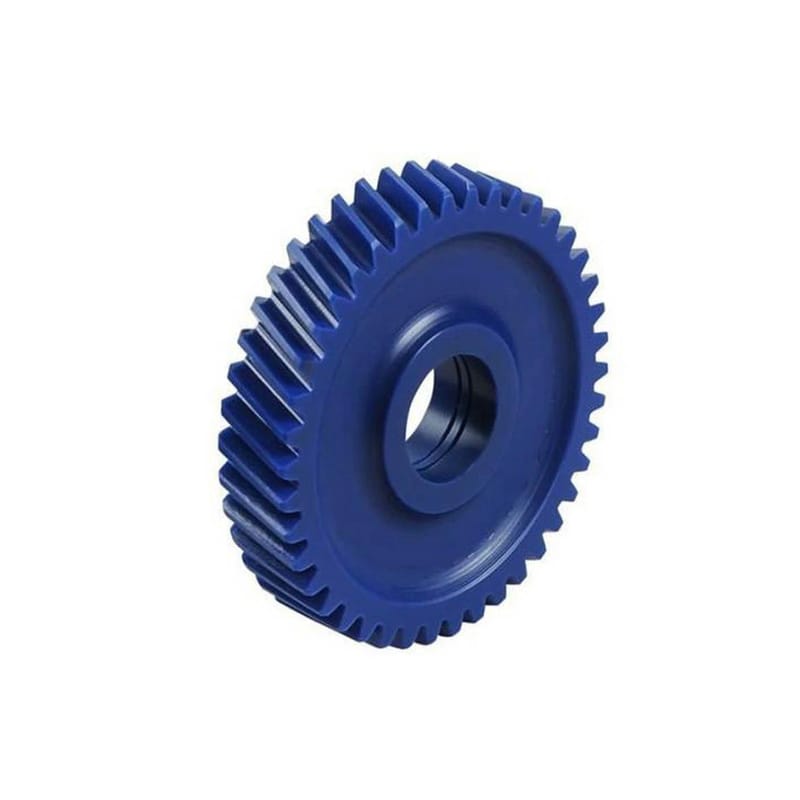
একটি নাইলন গিয়ার প্রকৃত লোড জন্য ডিজাইন করা আবশ্যক। যদি লোডকে অবমূল্যায়ন করা হয়, তাহলে গিয়ারটি দ্রুত পরিধান করতে পারে, বিকৃত হতে পারে, ফাটতে পারে বা দাঁতের নির্ভুলতা হারাতে পারে।.
সবচেয়ে গুরুত্বপূর্ণ লোড-সম্পর্কিত কারণগুলির মধ্যে রয়েছে:
টর্ক
ঘূর্ণন গতি
শক লোড
স্টার্ট-স্টপ ফ্রিকোয়েন্সি
দাঁতের প্রস্থ
গিয়ার মডিউল
দাঁতের সংখ্যা
চাপ কোণ
খাদ প্রান্তিককরণ
ভারবহন সমর্থন
উপাদান শক্তি
কাজের তাপমাত্রা
একটি প্রশস্ত গিয়ার দাঁত লোড বন্টন উন্নত করতে পারে, কিন্তু শুধুমাত্র যদি খাদ প্রান্তিককরণ সঠিক হয়। একটি শক্তিশালী উপাদান সাহায্য করতে পারে, কিন্তু এটি একটি দুর্বল দাঁত নকশা সমাধান করতে পারে না। একটি বড় গিয়ার চাপ কমাতে পারে, কিন্তু এটি উপলব্ধ স্থান মাপসই নাও হতে পারে।.
এই কারণেই কাস্টম নাইলন গিয়ার উত্পাদন শুধুমাত্র বাইরের ব্যাস এবং বোর আকারের উপর নির্ভর করা উচিত নয়। দাঁতের প্রোফাইল, মডিউল, গিয়ার রেশিও, হাব স্ট্রাকচার এবং কাজের অবস্থা একসাথে চেক করতে হবে।.
করবেন নাইলন গিয়ার তৈলাক্তকরণ প্রয়োজন?
নাইলন গিয়ারগুলিকে প্রায়শই ভাল স্ব-তৈলাক্ত আচরণ হিসাবে বর্ণনা করা হয়। এর মানে এই নয় যে তৈলাক্তকরণের প্রয়োজন নেই।.
কিছু কম-লোড বা কম-গতির অ্যাপ্লিকেশনে, একটি গিয়ার বাহ্যিক তৈলাক্তকরণ ছাড়াই চলতে পারে। অন্যান্য অ্যাপ্লিকেশনে, তৈলাক্তকরণ তাপ কমাতে পারে, কম পরিধান করতে পারে এবং পরিষেবা জীবন বাড়াতে পারে। তৈলাক্তকরণের প্রয়োজনীয়তা গতি, লোড, মিলনের উপাদান, তাপমাত্রা এবং অপারেটিং সময়ের উপর নির্ভর করে।.
যদি গিয়ারটি ধাতুর সাথে মেশ করে, তৈলাক্তকরণ ঘর্ষণ এবং তাপ জমা কমাতে সাহায্য করতে পারে। যদি গিয়ার ক্রমাগত চলে, তৈলাক্তকরণ বা উপাদান পরিবর্তন প্রয়োজন হতে পারে। যদি গিয়ারটি খাদ্য-সম্পর্কিত পরিবেশে কাজ করে তবে উপাদান এবং লুব্রিকেন্টের প্রয়োজনীয়তা অবশ্যই সাবধানে পরীক্ষা করা উচিত।.
একটি ব্যবহারিক নিয়ম সহজ: শুধুমাত্র উপাদান নামের উপর ভিত্তি করে তৈলাক্তকরণ সিদ্ধান্ত নেবেন না। সম্পূর্ণ অপারেটিং অবস্থার উপর ভিত্তি করে এটি সিদ্ধান্ত নিন।.
তাপমাত্রা, আর্দ্রতা এবং মাত্রিক স্থিতিশীলতা বিবেচনা করুন
নাইলন একটি ইঞ্জিনিয়ারিং প্লাস্টিক, তবে এটি এখনও এর পরিবেশ দ্বারা প্রভাবিত হয়। তাপমাত্রা এবং আর্দ্রতা দুটি গুরুত্বপূর্ণ কারণ।.
উচ্চ তাপমাত্রা শক্তি এবং কঠোরতা কমাতে পারে। দীর্ঘমেয়াদী তাপ এক্সপোজার দাঁতের আকৃতি এবং গিয়ার স্থায়িত্ব প্রভাবিত করতে পারে। আর্দ্রতা উপাদানের গ্রেড এবং কাজের পরিবেশের উপর নির্ভর করে নাইলনের মাত্রা এবং যান্ত্রিক আচরণকেও প্রভাবিত করতে পারে।.
এই কারণে, কাস্টম নাইলন গিয়ার অর্ডার করার আগে নিম্নলিখিত শর্তগুলি নিশ্চিত করা উচিত:
সর্বোচ্চ অপারেটিং তাপমাত্রা
ক্রমাগত কাজের তাপমাত্রা
আর্দ্রতা স্তর
জল এক্সপোজার
রাসায়নিক এক্সপোজার
ইনডোর বা আউটডোর ব্যবহার
শুকনো বা ভেজা চলমান অবস্থা
পরিষ্কারের প্রক্রিয়া
তেল বা অন্যান্য তরল সঙ্গে যোগাযোগ
যদি গিয়ারটি আর্দ্র বা ভেজা পরিবেশে কাজ করে, তবে প্রস্তুতকারককে উপাদান নির্বাচন, সহনশীলতা নকশা বা পোস্ট-প্রসেসিং পদ্ধতি সামঞ্জস্য করতে হতে পারে।.
সাধারণ নাইলন গিয়ার সমস্যা এবং কিভাবে তাদের এড়ানো যায়
একটি নাইলন গিয়ার সাধারণত একটি কারণে ব্যর্থ হয়। বেশিরভাগ সমস্যাগুলি আরও ভাল উপাদান নির্বাচন, গিয়ার ডিজাইন, প্রক্রিয়াকরণ নিয়ন্ত্রণ এবং ইনস্টলেশনের মাধ্যমে হ্রাস করা যেতে পারে।.
দাঁত পরিধান
দাঁত পরিধান ঘটতে পারে যখন লোড খুব বেশি হয়, গিয়ারটি খারাপভাবে সারিবদ্ধ থাকে, উপাদানটি উপযুক্ত নয়, বা মিলনের গিয়ার পৃষ্ঠটি খুব আক্রমণাত্মক হয়।.
কিভাবে এটি কমাতে হয়:
একটি পরিধান-প্রতিরোধী নাইলন গ্রেড চয়ন করুন
দাঁত প্রোফাইল নির্ভুলতা উন্নত
খাদ প্রান্তিককরণ পরীক্ষা করুন
ওভারলোড এড়িয়ে চলুন
প্রয়োজনে তৈলাক্তকরণ বিবেচনা করুন
সঙ্গম গিয়ার উপাদান সঠিকভাবে মেলে
দাঁত ফাটা
ক্র্যাকিং প্রভাব লোড, তীক্ষ্ণ অভ্যন্তরীণ কোণ, অনুপযুক্ত উপাদান নির্বাচন, বা বোর বা কীওয়ের চারপাশে চাপ ঘনত্বের কারণে হতে পারে।.
কিভাবে এটি কমাতে হয়:
ডিজাইনে তীক্ষ্ণ পরিবর্তন এড়িয়ে চলুন
সঠিক হাব বেধ ব্যবহার করুন
শক্ত নাইলন উপাদান নির্বাচন করুন
মেশিনিং চাপ নিয়ন্ত্রণ
টর্ক এবং শক লোড পরীক্ষা করুন
গিয়ার বিকৃতি
যখন গিয়ারটি উচ্চ লোড, উচ্চ তাপমাত্রা বা দীর্ঘ সময়ের জন্য ক্রমাগত চাপের মধ্যে কাজ করে তখন বিকৃতি ঘটতে পারে।.
কিভাবে এটি কমাতে হয়:
একটি শক্তিশালী নাইলন গ্রেড ব্যবহার করুন
যেখানে সম্ভব দাঁতের প্রস্থ বাড়ান
খাদ সমর্থন উন্নত
অতিরিক্ত তাপমাত্রা এড়িয়ে চলুন
উপযুক্ত হলে চাঙ্গা উপাদান বিবেচনা করুন
অতিরিক্ত শব্দ
যদিও নাইলন গিয়ারগুলি প্রায়শই ধাতব গিয়ারের চেয়ে শান্ত থাকে, তবুও দুর্বল মেশিং শব্দ তৈরি করতে পারে।.
কিভাবে এটি কমাতে হয়:
দাঁতের নির্ভুলতা উন্নত করুন
কেন্দ্রের দূরত্ব পরীক্ষা করুন
উপযুক্ত গিয়ার টাইপ ব্যবহার করুন
নিয়ন্ত্রণ খাদ রানআউট
রুক্ষ মিলন পৃষ্ঠ এড়িয়ে চলুন
প্রযোজ্য হলে হেলিকাল গিয়ার ডিজাইন বিবেচনা করুন
কিভাবে একটি নাইলন গিয়ার প্রস্তুতকারকের সঠিক তথ্য প্রদান
তথ্য যত বেশি সম্পূর্ণ হবে, উৎপাদনের ফলাফল তত ভালো হবে। একজন পেশাদার গিয়ার প্রস্তুতকারক ডিজাইনটি অপ্টিমাইজ করতে সাহায্য করতে পারে, তবে ক্রেতাকে যথেষ্ট মৌলিক বিবরণ প্রদান করা উচিত।.
দরকারী তথ্য অন্তর্ভুক্ত:
গিয়ার টাইপ
অঙ্কন বা নমুনা
উপাদান প্রয়োজন
মডিউল বা ডায়ামেট্রাল পিচ
দাঁতের সংখ্যা
বাইরের ব্যাস
মূল ব্যাস
বোরের আকার
কীওয়ে আকার
হাব ডিজাইন
গিয়ার প্রস্থ
চাপ কোণ
সহনশীলতার প্রয়োজনীয়তা
সঙ্গম গিয়ার উপাদান
কাজের চাপ
ঘূর্ণন গতি
অপারেটিং তাপমাত্রা
কাজের পরিবেশ
বার্ষিক পরিমাণ
পরীক্ষার প্রয়োজনীয়তা
যদি অঙ্কন উপলব্ধ না হয়, পরিষ্কার ফটো এবং শারীরিক নমুনা এখনও সাহায্য করতে পারে। প্রতিস্থাপন গিয়ারের জন্য, এটি মূল ব্যর্থতার সমস্যা ব্যাখ্যা করাও দরকারী। উদাহরণস্বরূপ, যদি পুরানো গিয়ারটি কীওয়ের কাছে ফাটল, নতুন ডিজাইনের জন্য একটি শক্তিশালী হাব বা ভিন্ন উপাদানের প্রয়োজন হতে পারে।.
আবেদন-ভিত্তিক সুপারিশ
বিভিন্ন শিল্প বিভিন্ন কারণে নাইলন গিয়ার ব্যবহার করে। সেরা নকশা অ্যাপ্লিকেশন মেলে উচিত।.
| আবেদন | সাধারণ প্রয়োজন | প্রস্তাবিত ফোকাস |
|---|---|---|
| প্যাকেজিং যন্ত্রপাতি | শান্ত এবং স্থিতিশীল আন্দোলন | কম শব্দ দাঁত নকশা, প্রতিরোধের পরিধান |
| পরিবাহক সিস্টেম | বারবার গতি | টেকসই উপাদান, ভাল প্রান্তিককরণ |
| অটোমেশন সরঞ্জাম | যথার্থ আন্দোলন | সঠিক মেশিনিং, স্থিতিশীল সহনশীলতা |
| খাদ্য প্রক্রিয়াকরণ সরঞ্জাম | আর্দ্রতা প্রতিরোধের | উপাদান উপযুক্ততা, পরিষ্কার পরিবেশ |
| টেক্সটাইল যন্ত্রপাতি | একটানা দৌড় | প্রতিরোধের, কম কম্পন পরেন |
| পাম্প এবং ভালভ | ভেজা পরিবেশ | জারা প্রতিরোধের, খাদ সংযোগ |
| ছোট মোটর | কমপ্যাক্ট ড্রাইভ | শব্দ নিয়ন্ত্রণ, গিয়ার অনুপাত নির্ভুলতা |
| OEM যন্ত্রপাতি | কাস্টম ডিজাইন | অঙ্কন-ভিত্তিক উত্পাদন, পুনরাবৃত্তি গুণমান |
এই অ্যাপ্লিকেশন-ভিত্তিক চিন্তাভাবনাটি কার্যকর কারণ একই আকারের দুটি গিয়ারের জন্য বিভিন্ন উপকরণ এবং প্রক্রিয়াকরণ পদ্ধতির প্রয়োজন হতে পারে যদি তারা বিভিন্ন মেশিনে কাজ করে।.
একটি প্রস্তুতকারকের নির্বাচন চেকলিস্ট
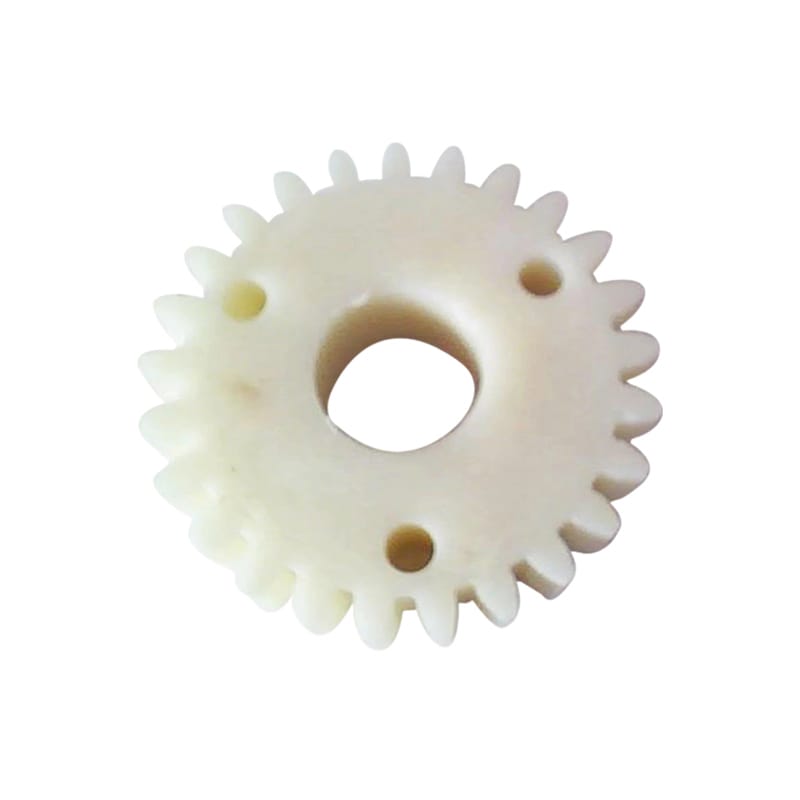
অর্ডার করার আগে ক নাইলন গিয়ার, ভুল কমাতে এই চেকলিস্ট ব্যবহার করুন:
টর্ক ট্রান্সমিশন, গতি হ্রাস বা অবস্থানের জন্য গিয়ার ব্যবহার করা হয়?
লোড কি স্থির বা এতে শক অন্তর্ভুক্ত?
গিয়ার কি একটানা বা বিরতিহীনভাবে চলবে?
সরঞ্জাম কম শব্দ প্রয়োজন?
গিয়ার কি ভেজা, ধুলোবালি বা রাসায়নিক পরিবেশে কাজ করবে?
গিয়ার কি ধাতু বা প্লাস্টিকের সাথে জাল করে?
বোর কি সহজ, চাবিযুক্ত, স্প্লিনড বা ধাতব সন্নিবেশের সাথে লাগানো?
পরিমাণ কি মেশিনিং বা ইনজেকশন ছাঁচনির্মাণের জন্য উপযুক্ত?
অঙ্কন উপলব্ধ?
পুরানো গিয়ার আগে ব্যর্থ হয়েছে? যদি হ্যাঁ, কিভাবে এটি ব্যর্থ হয়েছে?
এই চেকলিস্টটি একটি সাধারণ অনুসন্ধানকে একটি বাস্তব প্রকৌশল আলোচনায় পরিণত করতে সহায়তা করে। এটি প্রস্তুতকারককে কেবল পুরানো অংশটি অনুলিপি করার পরিবর্তে আরও নির্ভরযোগ্য নাইলন গিয়ারের সুপারিশ করতে সহায়তা করে।.
উপসংহার
অধিকার নির্বাচন করা নাইলন গিয়ার শুধুমাত্র প্লাস্টিকের সাথে ধাতু প্রতিস্থাপন সম্পর্কে নয়। এটি উপাদান, গঠন, গিয়ারের ধরন, উত্পাদন প্রক্রিয়া এবং কাজের অবস্থার সাথে মিলে যাওয়া সম্পর্কে।.
একটি নাইলন গিয়ার শিল্প সরঞ্জামগুলির জন্য একটি শক্তিশালী সমাধান হতে পারে যখন অ্যাপ্লিকেশনটির কম শব্দ, হালকা ওজন, জারা প্রতিরোধের, মসৃণ আন্দোলন এবং কাস্টম উত্পাদন নমনীয়তার প্রয়োজন হয়। PA6 গিয়ার, PA66 গিয়ার, কাস্ট গিয়ার, মেশিনযুক্ত গিয়ার এবং ইনজেকশন মোল্ডেড গিয়ারগুলির নিজস্ব উপযুক্ত ব্যবহারের ক্ষেত্রে রয়েছে।.
ক্রেতাদের জন্য, সবচেয়ে নিরাপদ পদ্ধতি হল এমন একটি প্রস্তুতকারকের সাথে কাজ করা যা গিয়ার ডিজাইন এবং নাইলন উপাদান আচরণ উভয়ই বোঝে। সঠিক অঙ্কন পর্যালোচনা, উপাদান নির্বাচন, দাঁত প্রোফাইল, বোর নকশা, এবং উত্পাদন প্রক্রিয়া, একটি কাস্টম নাইলন সঙ্গে গিয়ার প্যাকেজিং যন্ত্রপাতি, পরিবাহক সিস্টেম, অটোমেশন সরঞ্জাম, খাদ্য প্রক্রিয়াকরণ সরঞ্জাম, পাম্প, ভালভ এবং অন্যান্য অনেক শিল্প মেশিনের জন্য একটি নির্ভরযোগ্য ট্রান্সমিশন অংশ হয়ে উঠতে পারে।.
আপনার যদি আপনার সরঞ্জামের জন্য কাস্টম নাইলন গিয়ারের প্রয়োজন হয়, তাহলে সর্বোত্তম সূচনা পয়েন্ট হল অঙ্কন, নমুনা, কাজের অবস্থা এবং পরিমাণের প্রয়োজনীয়তা প্রদান করা। একজন পেশাদার নাইলন গিয়ার প্রস্তুতকারক আপনাকে সঠিক উপাদান চয়ন করতে, সঠিক প্রক্রিয়া নিশ্চিত করতে এবং আপনার প্রকৃত অ্যাপ্লিকেশনের সাথে মানানসই গিয়ার তৈরি করতে সহায়তা করতে পারে।.
FAQ
একটি নাইলন গিয়ার কি জন্য ব্যবহৃত হয়?
একটি নাইলন গিয়ার যন্ত্রপাতিতে গতি এবং টর্ক প্রেরণ করতে ব্যবহৃত হয়, বিশেষ করে যেখানে কম শব্দ, হালকা ওজন এবং জারা প্রতিরোধ গুরুত্বপূর্ণ।.
নাইলন গিয়ার কি ধাতব গিয়ারের চেয়ে ভাল?
নাইলন গিয়ারগুলি কম-শব্দ, লাইটওয়েট এবং জারা-প্রতিরোধী অ্যাপ্লিকেশনের জন্য ভাল, যখন ধাতব গিয়ারগুলি খুব উচ্চ-লোড বা উচ্চ-তাপমাত্রার অবস্থার জন্য ভাল হতে পারে।.
করবেন নাইলন গিয়ার তৈলাক্তকরণ প্রয়োজন?
কিছু নাইলন গিয়ার সামান্য বা কোন তৈলাক্তকরণের সাথে চলতে পারে, তবে উচ্চ-গতি, উচ্চ-লোড বা ক্রমাগত অপারেশনের জন্য তৈলাক্তকরণের প্রয়োজন হতে পারে।.
কোন উপাদান নাইলন জন্য ভাল গিয়ারস, PA6 বা PA66?
PA6 ভাল দৃঢ়তা এবং যন্ত্রের অফার করে, যখন PA66 আরও চাহিদাপূর্ণ অ্যাপ্লিকেশনের জন্য আরও ভাল শক্তি এবং তাপ প্রতিরোধের প্রদান করে।.
নাইলন গিয়ার কাস্টমাইজ করা যাবে?
হ্যাঁ। নাইলন গিয়ারগুলি উপাদান, গিয়ারের ধরন, দাঁতের প্রোফাইল, বোরের আকার, কীওয়ে, হাব ডিজাইন এবং অঙ্কন বা নমুনার উপর ভিত্তি করে উত্পাদন প্রক্রিয়া দ্বারা কাস্টমাইজ করা যেতে পারে।.