একটি রাবার উপাদান আগত পরিদর্শনের সময় নিখুঁত দেখতে পারে এবং কয়েক মাস পরেও ব্যর্থ হয়। সমস্যাটি প্রায়শই একটি সুস্পষ্ট ফাটল, টিয়ার বা মাত্রিক ত্রুটি নয়। অংশটি তাপ, চাপ, রাসায়নিক বা বারবার অপারেটিং চক্রের অধীনে সংকুচিত থাকার পরে এটি ধীরে ধীরে স্থিতিস্থাপক পুনরুদ্ধারের ক্ষতি।.
এই আচরণ রাবার কম্প্রেশন সেট হিসাবে পরিচিত। সীল, গ্যাসকেট, বাম্পার, প্যাড, হাতা এবং অন্যান্য কাস্টম ঢালাই উপাদানগুলির জন্য, এটি নির্ধারণ করতে পারে যে একটি অংশ দরকারী যোগাযোগের চাপ প্রয়োগ করতে থাকে বা ধীরে ধীরে একটি চ্যাপ্টা স্পেসারে পরিণত হয়।.
কী টেকঅ্যাওয়ে
- রাবার কম্প্রেশন সেট পরিমাপ করে যে একটি সংকুচিত রাবারের নমুনা প্রকাশ করার পরে এবং পুনরুদ্ধার করার অনুমতি দেওয়ার পরে কতটা বিকৃতি থেকে যায়।.
- একটি নিম্ন ফলাফল সাধারণত ভাল পুনরুদ্ধারের নির্দেশ করে, তবে পরীক্ষার তাপমাত্রা, সময়কাল, স্ট্রেন, পুনরুদ্ধারের পদ্ধতি এবং নমুনা জ্যামিতিও তুলনা করা আবশ্যক।.
- একা কঠোরতা দীর্ঘমেয়াদী সিলিং কর্মক্ষমতা ভবিষ্যদ্বাণী করতে পারে না।.
- তাপ, বেমানান তরল, অত্যধিক চাপ, দুর্বল নিরাময় নিয়ন্ত্রণ, এবং অনুপযুক্ত জ্যামিতি স্থায়ী বিকৃতিকে ত্বরান্বিত করতে পারে।.
- উপাদান নির্বাচন সম্পূর্ণ অপারেটিং পরিবেশের উপর ভিত্তি করে হওয়া উচিত, একটি জেনেরিক উপাদান নাম নয়।.
- একটি দরকারী RFQ পরিষেবার তাপমাত্রা, মিডিয়া, কম্প্রেশন স্তর, শুল্ক চক্র, লক্ষ্য জীবন, পরীক্ষার মান এবং গ্রহণযোগ্যতার মানদণ্ড নির্ধারণ করা উচিত।.
বিষয়বস্তুর সারণী
রাবার কম্প্রেশন সেট কি?
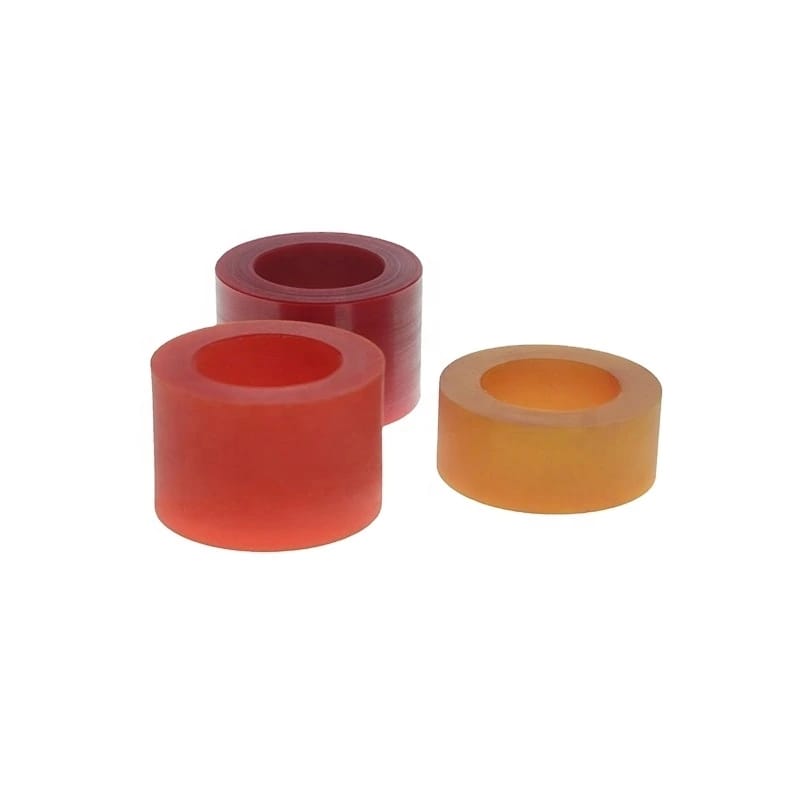
রাবার কম্প্রেশন সেট হল একটি আরোপিত বিকৃতির শতাংশ যা একটি রাবারের নমুনা একটি নির্দিষ্ট সময়ের জন্য সংকুচিত হওয়ার পরে, ছেড়ে দেওয়া এবং পুনরুদ্ধারের জন্য সময় দেওয়া হয়।.
10 মিমি মূল বেধ সহ একটি গ্যাসকেট কল্পনা করুন। এটি একটি জয়েন্টে ইনস্টল করা হয় এবং 7.5 মিমি সংকুচিত হয়। নির্দিষ্ট অবস্থার অধীনে বার্ধক্যের পরে, এটি সরানো হয় এবং শুধুমাত্র 9.5 মিমি পুনরুদ্ধার করা হয়। গ্যাসকেট স্থায়ীভাবে তার মূল বেধ অংশ হারিয়েছে। যে অপুনরুদ্ধার করা অংশ তার কম্প্রেশন সেট প্রতিনিধিত্ব করে।.
স্বাভাবিক সম্পর্ক হল:
কম্প্রেশন সেট (%) = (t0 tr) UND (t0 ts) × 100
কোথায়:
- t0 মূল নমুনা বেধ হয়।.
- টিআর মুক্তির পরে পুনরুদ্ধার বেধ হয়।.
- টিএস স্পেসার বা সংকুচিত বেধ হয়।.
0% এর কাছাকাছি ফলাফল মানে উপাদান প্রায় সম্পূর্ণরূপে পুনরুদ্ধার করা হয়েছে। 100% এর কাছাকাছি একটি ফলাফল মানে সামান্য দরকারী পুনরুদ্ধার ঘটেছে। যাইহোক, পরীক্ষার শর্ত ছাড়া একটি সংখ্যা অসম্পূর্ণ। স্বল্প সময়ের জন্য ঘরের তাপমাত্রায় সেট করা রাবার কম্প্রেশন উচ্চ তাপমাত্রায় দীর্ঘ এক্সপোজারের পরে পরিমাপ করা ফলাফলের সাথে সরাসরি তুলনা করা যায় না।.
কেন রাবার কম্প্রেশন সেট বাস্তব অংশ ব্যর্থতার কারণ
একটি সীল কাজ করে কারণ এটি তার চারপাশের পৃষ্ঠের বিরুদ্ধে ধাক্কা দেয়। প্রাথমিক স্কুইজ যোগাযোগের চাপ তৈরি করে, যখন ইলাস্টোমারের স্থিতিস্থাপকতা জয়েন্টের নড়াচড়া, তাপমাত্রার পরিবর্তন বা পৃষ্ঠের ছোট অনিয়ম বিকাশের সাথে সাথে সেই চাপ বজায় রাখতে সহায়তা করে।.
যখন রাবার কম্প্রেশন সেট বৃদ্ধি পায়, অংশটি সম্পূর্ণরূপে রিবাউন্ড করে না। যোগাযোগের চাপ তরল ধারণ করতে, ধুলো বাদ দিতে, কম্পন শোষণ করতে বা সমাবেশ প্রিলোড বজায় রাখতে প্রয়োজনীয় স্তরের নীচে নেমে যেতে পারে।.
ব্যর্থতার চেইন
একটি সাধারণ ব্যর্থতার ক্রম এইরকম দেখায়:
- রাবার অংশ একটি সংজ্ঞায়িত স্কুইজ সঙ্গে ইনস্টল করা হয়।.
- তাপ, সময়, রাসায়নিক এক্সপোজার এবং যান্ত্রিক লোড পলিমার নেটওয়ার্ককে পুনর্বিন্যাস বা ক্ষতি করে।.
- অংশটি পুনরুদ্ধার হারায় এবং স্থায়ীভাবে পাতলা হয়ে যায়।.
- সিলিং ফোর্স বা কুশনিং ফোর্স হ্রাস পায়।.
- ফুটো, শিথিলতা, শব্দ, প্রভাব, দূষণ বা কম্পন প্রদর্শিত হয়।.
- ব্যবহারকারী অংশটি প্রতিস্থাপন করে, যদিও পৃষ্ঠটি সামান্য দৃশ্যমান ক্ষতি দেখাতে পারে।.
এই কারণেই একা চাক্ষুষ পরিদর্শন যথেষ্ট নয়। একটি গ্যাসকেট এখনও অক্ষত দেখতে পারে কিন্তু পর্যাপ্ত সিলিং বল তৈরি করে না।.
স্ট্যাটিক এবং ডায়নামিক অ্যাপ্লিকেশন
রাবার কম্প্রেশন সেট বিশেষত তুলনামূলকভাবে ধ্রুবক বিকৃতির অধীনে থাকা উপাদানগুলির জন্য প্রাসঙ্গিক, যার মধ্যে রয়েছে:
- স্ট্যাটিক gaskets
- ফ্ল্যাঞ্জ সিল
- সরঞ্জাম ফুট
- কম্পন-বিচ্ছিন্নতা প্যাড
- ব্রিজ বিয়ারিং প্যাড
- রাবার বাফার
- ক্ল্যাম্পিং ফোর্স অধীনে প্রতিরক্ষামূলক হাতা
- সাকশন-কাপ সিলিং প্রান্ত
- রাবার থেকে ধাতু বন্ধন মাউন্ট
গতিশীল সীলগুলিও স্থায়ী বিকৃতি অনুভব করে, তবে ঘর্ষণ, পরিধান, তৈলাক্তকরণ, চাপ সাইক্লিং, এক্সট্রুশন এবং স্ট্রেস শিথিলকরণ সমানভাবে গুরুত্বপূর্ণ হতে পারে। একটি কম্প্রেশন-সেট ফলাফল তাই কর্মক্ষমতা ছবির একটি অংশ হিসাবে বিবেচনা করা উচিত।.
রাবার কম্প্রেশন সেট কিভাবে পরীক্ষা করা হয়
দুটি সাধারণভাবে উল্লেখ করা কাঠামো হল ASTM D395 এবং ISO 815-1. । ASTM D395 কম্প্রেসিভ স্ট্রেসের শিকার রাবারকে কভার করে এবং এতে ধ্রুবক-বল এবং ধ্রুবক-বিক্ষেপণ পদ্ধতি অন্তর্ভুক্ত থাকে। ISO 815-1 পরিবেষ্টিত বা উচ্চ তাপমাত্রায় পরীক্ষা কভার করে এবং নমুনাটি কীভাবে প্রকাশ এবং পুনরুদ্ধার করা হয় তার উপর ভিত্তি করে আংশিকভাবে পদ্ধতিগুলি সংজ্ঞায়িত করে।.
একটি সাধারণ ধ্রুবক-বিক্ষেপণ প্রক্রিয়া অন্তর্ভুক্ত:
- কন্ডিশনিং এবং নমুনা পরিমাপ।.
- কম্প্রেশন প্লেটের মধ্যে নমুনা স্থাপন করা।.
- স্পেসার দিয়ে এটিকে একটি সংজ্ঞায়িত বেধে সংকুচিত করা।.
- একটি নির্দিষ্ট তাপমাত্রায় একটি নির্দিষ্ট সময়ের জন্য এটি ধরে রাখা।.
- নির্বাচিত পদ্ধতি অনুযায়ী এটি মুক্তি।.
- একটি সংজ্ঞায়িত পুনরুদ্ধারের সময়কাল অনুমতি দেয়।.
- পুনরুদ্ধার বেধ পরিমাপ।.
- শতাংশ হিসাবে সেট রাবার কম্প্রেশন গণনা।.
পরীক্ষার শর্তাবলী যা রিপোর্ট করা আবশ্যক
একটি বৈধ রিপোর্ট চূড়ান্ত শতাংশের চেয়ে বেশি চিহ্নিত করা উচিত। সর্বনিম্ন, নিশ্চিত করুন:
- পরীক্ষা পদ্ধতি এবং সংস্করণ
- নমুনার ধরন এবং মাত্রা
- মূল বেধ
- কম্প্রেশন স্ট্রেন বা স্পেসার বেধ
- এক্সপোজার সময়
- এক্সপোজার তাপমাত্রা
- পরীক্ষার মাধ্যম, যদি বাতাস না হয়
- মুক্তির শর্ত
- পুনরুদ্ধারের সময় এবং তাপমাত্রা
- নমুনার সংখ্যা
- ব্যক্তিগত এবং গড় ফলাফল
এই বিবরণ ছাড়া, একজন ক্রেতা নির্ভরযোগ্যভাবে দুটি যৌগ বা দুটি সরবরাহকারীর তুলনা করতে পারে না।.
পরিবেষ্টিত, উচ্চ-তাপমাত্রা, এবং নিম্ন-তাপমাত্রা পরীক্ষা
উচ্চ-তাপমাত্রার এক্সপোজার ইলাস্টোমারে শারীরিক এবং রাসায়নিক পরিবর্তনকে ত্বরান্বিত করে। এটি গরম সরঞ্জাম, ইঞ্জিন, ঘের, শিল্প সীল, বা দীর্ঘমেয়াদী ক্ল্যাম্পিংয়ের উদ্দেশ্যে যৌগগুলির তুলনা করার জন্য দরকারী।.
নিম্ন-তাপমাত্রার আচরণের জন্য আলাদা মনোযোগ প্রয়োজন কারণ রাবার ঠান্ডা অবস্থায় শক্ত, স্ফটিক বা ধীরে ধীরে পুনরুদ্ধার করতে পারে।. ISO 815-2 কম তাপমাত্রায় সেট কম্প্রেশন ঠিকানা। একটি যৌগ যা তাপ বার্ধক্যের পরে ভাল কাজ করে তা এখনও এমন সরঞ্জামগুলির জন্য অনুপযুক্ত হতে পারে যা ঠান্ডা শুরুর সময় সিল করা আবশ্যক।.
কম্প্রেশন সেট বনাম স্ট্রেস রিলাক্সেশন
এই দুটি বৈশিষ্ট্য সম্পর্কিত কিন্তু অভিন্ন নয়।.
রাবার কম্প্রেশন সেট জিজ্ঞাসা করে: মুক্তির পরে উপাদানটি কতটা আকৃতি পুনরুদ্ধার করতে ব্যর্থ হয়েছিল?
স্ট্রেস শিথিলতা জিজ্ঞাসা করে: একটি নির্দিষ্ট বিকৃতিতে রাখা অবস্থায় উপাদানটি কতটা শক্তি হারিয়েছে?
সমাবেশ খোলার আগে একটি সীল যথেষ্ট যোগাযোগ শক্তি হারাতে পারে এবং অংশটি পুনরুদ্ধার করার অনুমতি দেওয়া হয়। অ্যাপ্লিকেশনগুলির জন্য যেখানে ধরে রাখা সিলিং ফোর্স গুরুত্বপূর্ণ, স্ট্রেস-রিলাক্সেশন ডেটা এমন তথ্য সরবরাহ করতে পারে যা একটি ছোট রাবার কম্প্রেশন সেট পরীক্ষা সম্পূর্ণরূপে প্রকাশ করতে পারে না।.
| সম্পত্তি | এটা কি পরিমাপ | সাধারণ প্রশ্ন |
|---|---|---|
| রাবার কম্প্রেশন সেট | মুক্তির পরে স্থায়ী বিকৃতি | অংশটি কি তার আসল বেধের দিকে ফিরে আসবে? |
| স্ট্রেস শিথিলকরণ | ধ্রুবক বিকৃতির অধীনে বল হ্রাস | ইনস্টল করার সময় সীল কি যোগাযোগের চাপ বজায় রাখবে? |
| হামাগুড়ি | ধ্রুবক লোড অধীনে বিকৃতি বৃদ্ধি | অংশ কি লোড অধীনে সরানো বা সমতল অব্যাহত থাকবে? |
| কঠোরতা | ইন্ডেন্টেশন প্রতিরোধ | পরীক্ষার অবস্থায় যৌগটি কতটা দৃঢ়? |
| প্রসার্য শক্তি | প্রসার্য লোডিং প্রতিরোধ | উপাদান কতটা টানা চাপ সহ্য করতে পারে? |
| টিয়ার প্রতিরোধের | ফাটল বৃদ্ধি প্রতিরোধের | ইনস্টলেশন বা পরিষেবার সময় একটি প্রান্ত ত্রুটি প্রচার করবে? |
দীর্ঘজীবী সীল এবং লোড বহনকারী প্যাডগুলির জন্য, বার্ধক্য, কঠোরতা, প্রসার্য, তরল-নিমজ্জন এবং স্ট্রেস-শিথিলকরণ তথ্যের সাথে রাবার কম্প্রেশন সেট ডেটা একত্রিত করা প্রায়শই ভাল।.
রাবার কম্প্রেশন সেট কি নিয়ন্ত্রণ করে?
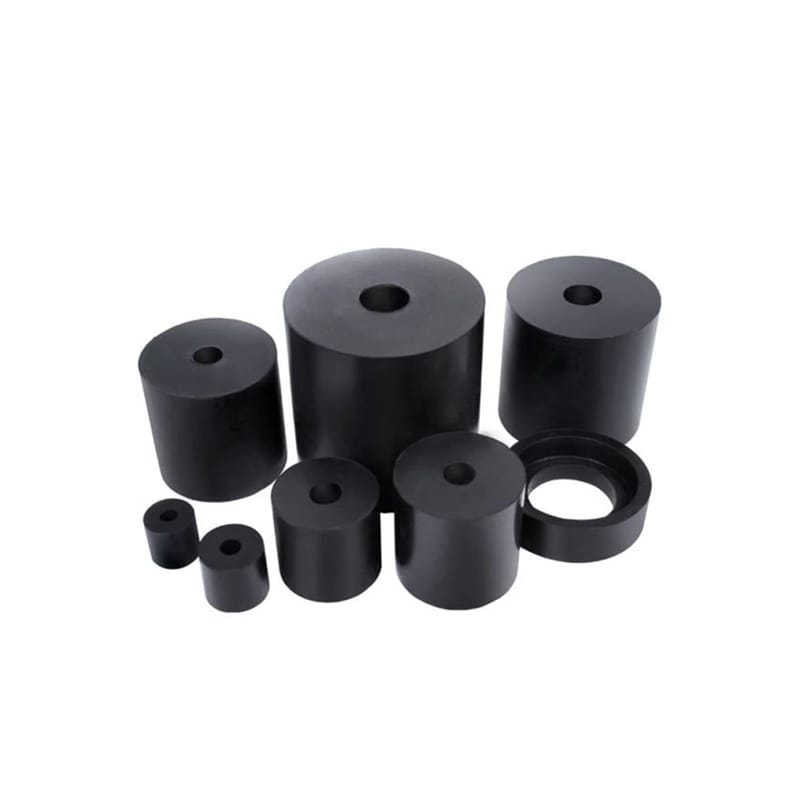
বস্তুগত পরিবার গুরুত্বপূর্ণ, কিন্তু চূড়ান্ত ফলাফল সম্পূর্ণ যৌগ এবং প্রক্রিয়া দ্বারা নিয়ন্ত্রিত হয়।.
পলিমার টাইপ
বিভিন্ন পলিমারের বিভিন্ন তাপ, তেল, আবহাওয়া, রাসায়নিক এবং নিম্ন-তাপমাত্রার ক্ষমতা রয়েছে। তবুও উপাদানের নাম যেমন EPDM, NBR, FKM, এবং সিলিকন বিস্তৃত পরিবারকে বর্ণনা করে, নিশ্চিত কর্মক্ষমতা মাত্রা নয়।.
একই পরিবারের দুটি যৌগ বিভিন্ন রাবার কম্প্রেশন সেট ফলাফল দেখাতে পারে কারণ তাদের নিরাময় সিস্টেম, ফিলার, প্লাস্টিকাইজার, স্টেবিলাইজার এবং প্রক্রিয়াকরণের ইতিহাস ভিন্ন।.
নিরাময় ব্যবস্থা এবং নিরাময় অবস্থা
ভলকানাইজেশন ক্রসলিঙ্কযুক্ত নেটওয়ার্ক তৈরি করে যা রাবারকে তার স্থিতিস্থাপক আচরণ দেয়। আন্ডার-কিউর নেটওয়ার্কটিকে অপর্যাপ্তভাবে বিকশিত ছেড়ে দিতে পারে, যখন অত্যধিক তাপের ইতিহাস যৌগটিকে ক্ষতি করতে পারে বা দরকারী বৈশিষ্ট্যগুলি হ্রাস করতে পারে।.
নিরাময়ের সময়, ছাঁচের তাপমাত্রা, অংশের বেধ, নিরাময়-পরবর্তী প্রয়োজনীয়তা এবং ব্যাচ নিয়ন্ত্রণ সবই চূড়ান্ত ফলাফলকে প্রভাবিত করতে পারে। পুরু বিভাগ এবং রাবার থেকে ধাতু অংশগুলি বিশেষ মনোযোগের দাবি রাখে কারণ তাদের অভ্যন্তরীণ তাপমাত্রার ইতিহাস পাতলা পরীক্ষাগার নমুনার থেকে আলাদা হতে পারে।.
তাপমাত্রা
তাপমাত্রা রাবার কম্প্রেশন সেটের সবচেয়ে শক্তিশালী ত্বরণকারী। উন্নত তাপ চেইন চলাচল, অক্সিডেশন, ক্রসলিংক পরিবর্তন এবং স্থায়ী বিকৃতি বাড়াতে পারে।.
সঠিক প্রশ্নটি সহজভাবে নয়, “এই রাবারের সর্বোচ্চ তাপমাত্রা কত?” এটি হল:
- ক্রমাগত অপারেটিং তাপমাত্রা কি?
- কি সর্বোচ্চ তাপমাত্রা ঘটে?
- শিখর কতক্ষণ স্থায়ী হয়?
- অংশ শিখর সময় সংকুচিত হয়?
- অক্সিজেন, বাষ্প, তেল, জ্বালানী, নাকি অন্য কোন মাধ্যম আছে?
- অংশটি গরম অবস্থায় পুনরুদ্ধার করতে হবে নাকি ঠান্ডা হওয়ার পরেই?
কম্প্রেশন অধীনে সময়
একটি সংক্ষিপ্ত পরীক্ষা মানের তুলনা করার জন্য দরকারী, কিন্তু দীর্ঘমেয়াদী পরিষেবা একটি ভিন্ন র্যাঙ্কিং তৈরি করতে পারে। বছরের পর বছর ধরে আটকে থাকা উপাদানগুলির প্রতিটি অপারেটিং চক্রের সময় সংক্ষিপ্তভাবে সংকুচিত অংশগুলির তুলনায় আরও রক্ষণশীল মূল্যায়ন প্রয়োজন।.
তরল এবং রাসায়নিক এক্সপোজার
একটি রাবার যৌগ তেল, জ্বালানী, কুল্যান্ট, পরিষ্কারের রাসায়নিক, অ্যাসিড, ক্ষার বা প্রক্রিয়াজাত তরলগুলির সাথে যোগাযোগের পরে ফুলে যেতে পারে, নরম করতে পারে, শক্ত করতে পারে, প্লাস্টিকাইজার বের করতে পারে বা শক্তি হারাতে পারে। এই পরিবর্তনগুলি রাবার কম্প্রেশন সেটকে আরও খারাপ করতে পারে এমনকি যখন যৌগটি গরম বাতাসে ভাল কাজ করে।.
বাস্তবসম্মত তাপমাত্রা এবং সময়ের অবস্থার অধীনে একটি প্রতিনিধি তরলে প্রকৃত তরল ফোরডোরে পরীক্ষা করা একটি জেনেরিক সামঞ্জস্য চার্টের উপর নির্ভর করার চেয়ে বেশি কার্যকর হতে পারে।.
ফিলার এবং প্লাস্টিকাইজার সিস্টেম
ফিলারগুলি শক্তি, কঠোরতা, ঘর্ষণ প্রতিরোধ, পরিবাহিতা বা প্রক্রিয়াকরণ উন্নত করতে পারে তবে তারা পুনরুদ্ধারের আচরণও পরিবর্তন করে। প্লাস্টিসাইজারগুলি নমনীয়তা এবং প্রক্রিয়াকরণ উন্নত করতে পারে, তবুও পরিষেবা চলাকালীন নিষ্কাশন বা স্থানান্তর মাত্রা এবং কঠোরতা পরিবর্তন করতে পারে।.
লক্ষ্য প্রতিটি সংযোজন ছোট করা হয় না। এটি সম্পূর্ণ প্রয়োজনীয়তা সেটের সাথে পুনরুদ্ধারের ভারসাম্য বজায় রাখা।.
অংশ জ্যামিতি
পাতলা সিলিং ঠোঁট, পুরু প্যাড, তীক্ষ্ণ কোণ, বন্ধন সন্নিবেশ, বড় ক্রস-সেকশন এবং ননইনিফর্ম প্রাচীরের বেধ একইভাবে ঠান্ডা, নিরাময় বা বিকৃত হয় না।.
একটি পরীক্ষাগার বোতাম প্রতিটি কাস্টম জ্যামিতিকে পুরোপুরি উপস্থাপন করতে পারে না। প্রোটোটাইপ অংশ বা উত্পাদন-উদ্দেশ্য পরীক্ষার টুকরা প্রয়োজন হতে পারে যখন অ্যাপ্লিকেশন সমালোচনামূলক হয়।.
কিভাবে সাধারণ রাবার উপকরণ তুলনা
নীচের টেবিলটি একটি নির্বাচন নির্দেশিকা, সর্বজনীন র্যাঙ্কিং নয়। চূড়ান্ত কর্মক্ষমতা সঠিক সূত্র এবং পরীক্ষার অবস্থার উপর নির্ভর করে।.
| উপাদান পরিবার | সাধারণ শক্তি | সাধারণ ঝুঁকি | জিজ্ঞাসা করার জন্য উপযুক্ত প্রশ্ন |
| ইপিডিএম | আবহাওয়া, ওজোন, জল, বাষ্প, এবং বহিরঙ্গন এক্সপোজার | সাধারণত অনেক পেট্রোলিয়াম তেলের জন্য অনুপযুক্ত | অংশটি কি তেল, জ্বালানী বা হাইড্রোকার্বন-ভিত্তিক গ্রীসের সাথে যোগাযোগ করবে? |
| এনবিআর | তেল, জ্বালানী, এবং অনেক শিল্প সিলিং শুল্ক | আবহাওয়া এবং উচ্চ-তাপমাত্রার সীমা গ্রেডের উপর নির্ভর করে | কোন তেল, তাপমাত্রা, চাপ এবং পরিষেবার সময়কাল প্রযোজ্য? |
| FKM | তাপ এবং অনেক আক্রমণাত্মক তরল | নিম্ন-তাপমাত্রার নমনীয়তা সীমিত হতে পারে | কোল্ড-স্টার্ট সিলিংয়ের পাশাপাশি উচ্চ-তাপমাত্রা প্রতিরোধের প্রয়োজন আছে কি? |
| সিলিকন | বিস্তৃত তাপমাত্রা পরিসীমা এবং নমনীয়তা | টিয়ার, ঘর্ষণ এবং কিছু তরল সীমাবদ্ধতা | অংশটি কি স্থির, গতিশীল, তীক্ষ্ণ প্রান্তের সংস্পর্শে আসে বা বারবার পরিচালনা করা হয়? |
| প্রাকৃতিক রাবার | স্থিতিস্থাপকতা, ক্লান্তি এবং কম্পন কর্মক্ষমতা | ওজোন, আবহাওয়া, তেল এবং তাপের সীমাবদ্ধতা | উপাদানটি কি বহিরঙ্গন এক্সপোজার এবং পেট্রোলিয়াম তরল থেকে সুরক্ষিত? |
| পলিউরেথেন ইলাস্টোমার | ঘর্ষণ, লোড বহন, এবং টিয়ার কর্মক্ষমতা | হাইড্রোলাইসিস, তাপ এবং কম্প্রেশন আচরণ রসায়ন দ্বারা পরিবর্তিত হয় | পরিবেশ কি ভেজা, গরম, ঘষিয়া তুলিয়া ফেলিতে সক্ষম, নাকি ক্রমাগত সংকুচিত? |
EPDM, NBR, FKM, এবং সিলিকনের বিস্তৃত তুলনার জন্য, অভ্যন্তরীণ পর্যালোচনা করুন রাবার উপাদান নির্বাচন গাইড. । উপাদান পরিবারের বিকল্পগুলিকে সংকীর্ণ করা উচিত, যখন অ্যাপ্লিকেশন-নির্দিষ্ট পরীক্ষা চূড়ান্ত যৌগ নিশ্চিত করে।.
কেন কঠোরতা একটি শর্টকাট নয়
একটি ঘন ঘন সোর্সিং ভুল হল শুধুমাত্র “70 Shore A” নির্দিষ্ট করা এবং অনুমান করা যে অংশটি একই কঠোরতার সাথে অন্য রাবারের মতো কাজ করবে।.
তীরের কঠোরতা ইন্ডেন্টেশন প্রতিরোধের পরিমাপ করে। বর্তমান ডুরোমিটার ফ্রেমওয়ার্ক বর্ণনা করা হয়েছে ISO 48-4. । এটি যৌগিক নিয়ন্ত্রণ এবং মৌলিক তুলনার জন্য দরকারী, কিন্তু এটি সরাসরি বলে না:
- তাপ প্রতিরোধক
- তরল সামঞ্জস্য
- রাবার কম্প্রেশন সেট
- স্ট্রেস শিথিলকরণ
- প্রসার্য শক্তি
- টিয়ার প্রতিরোধের
- ওজোন প্রতিরোধ
- ঘর্ষণ কর্মক্ষমতা
- ক্লান্তি জীবন
দুটি 70 শোর এ যৌগ দীর্ঘায়িত তাপ এবং সংকোচনের পরে খুব আলাদাভাবে আচরণ করতে পারে। কঠোরতা তাই স্পেসিফিকেশনে এক লাইন হওয়া উচিত, সম্পূর্ণ স্পেসিফিকেশন নয়।.
ডিজাইনের সিদ্ধান্ত যা স্থায়ী বিকৃতি হ্রাস করে
উপাদানের উন্নতি প্রতিটি জ্যামিতি বা ইনস্টলেশন সমস্যার জন্য ক্ষতিপূরণ দিতে পারে না। ভাল নকশা বিকৃতির পরিমাণ এবং বিতরণ নিয়ন্ত্রণ করে।.
একটি বাস্তবসম্মত কম্প্রেশন পরিসীমা সেট করুন
খুব কম স্কুইজ একটি সীল তৈরি করতে ব্যর্থ হতে পারে। অত্যধিক চাপ সমাবেশ শক্তি, অভ্যন্তরীণ চাপ, ঘর্ষণ, তাপ উত্পাদন, এক্সট্রুশন ঝুঁকি এবং স্থায়ী বিকৃতি বাড়াতে পারে।.
সঠিক পরিসীমা অংশ জ্যামিতি, কঠোরতা, উপাদান, খাঁজ নকশা, চাপ, পৃষ্ঠ ফিনিস, তাপ আন্দোলন, এবং সহনশীলতা স্ট্যাক আপ উপর নির্ভর করে। সম্পূর্ণ সমাবেশ পরীক্ষা না করে একটি জেনেরিক শতাংশ অনুলিপি করা এড়িয়ে চলুন।.
কন্ট্রোল টলারেন্স স্ট্যাক-আপ
একটি নামমাত্র 20% স্কুইজ অনেক বেশি বা কম হতে পারে যখন খাঁজের গভীরতা, অংশের বেধ, মিলন-অংশের মাত্রা এবং তাপীয় প্রসারণ সবই পরিবর্তিত হয়।.
ব্যবহার করে সর্বনিম্ন এবং সর্বোচ্চ কম্প্রেশন গণনা করুন:
- সর্বাধিক খাঁজ গভীরতা সহ ন্যূনতম রাবার বেধ
- ন্যূনতম খাঁজ গভীরতা সহ সর্বাধিক রাবার বেধ
- সমাবেশ মিসলাইনমেন্ট
- আবরণ বা কলাই বেধ
- পার্শ্ববর্তী উপাদানগুলির তাপীয় প্রসারণ
- দীর্ঘমেয়াদী পরিধান বা যৌথ আন্দোলন
স্থানীয় ওভার-কম্প্রেশন এড়িয়ে চলুন
তীক্ষ্ণ রূপান্তর, বোল্টের অবস্থান, অসম ফ্ল্যাঞ্জের দৃঢ়তা, বিকৃত কভার এবং বাধাপ্রাপ্ত খাঁজগুলি ছোট এলাকায় লোডকে কেন্দ্রীভূত করতে পারে। স্থানীয় ওভার-কম্প্রেশন প্রাথমিক রাবার কম্প্রেশন সেট তৈরি করতে পারে এমনকি যখন গড় স্কুইজ গ্রহণযোগ্য বলে মনে হয়।.
তাপীয় আন্দোলনের অনুমতি দিন
ধাতু, প্লাস্টিক এবং রাবারের উপাদান বিভিন্ন হারে প্রসারিত হয়। ঘরের তাপমাত্রায় সঠিক একটি নকশা গরম হলে রাবারকে অতিরিক্ত সংকুচিত করতে পারে বা ঠান্ডা হলে যোগাযোগ হারাতে পারে।.
সমাবেশের সময় প্রান্তগুলি রক্ষা করুন
কাটা এবং অশ্রু কম্প্রেশন সেট নয়, কিন্তু সমাবেশ ক্ষতি ফুটো ত্বরান্বিত করতে সিলিং বল ক্ষতি সঙ্গে একত্রিত হতে পারে। উপযুক্ত সীসা-ইন যোগ করুন, burrs অপসারণ করুন, পৃষ্ঠের ফিনিস নিয়ন্ত্রণ করুন এবং তীক্ষ্ণ হার্ডওয়্যার জুড়ে নরম সিলিং প্রান্তগুলি টেনে আনা এড়িয়ে চলুন।.
কম কম্প্রেশন সেট রাবার যন্ত্রাংশ জন্য উত্পাদন নিয়ন্ত্রণ
একটি নির্ভরযোগ্য স্পেসিফিকেশন এখনও স্থিতিশীল উত্পাদন উপর নির্ভর করে।.
যৌগ সনাক্তকরণ
উপাদানের নাম এবং রং যথেষ্ট নয়। উত্পাদন অনুমোদিত যৌগ, ব্যাচ, নিরাময় সিস্টেম, এবং প্রাসঙ্গিক উপাদান শংসাপত্রের ট্রেসেবিলিটি বজায় রাখা উচিত।.
মিশ্রিত ধারাবাহিকতা
উপাদানের ওজন, মিশ্রণের তাপমাত্রা, বিচ্ছুরণ বা দূষণের তারতম্য কঠোরতা, নিরাময় আচরণ, মাত্রা এবং রাবার কম্প্রেশন সেট পরিবর্তন করতে পারে।.
ছাঁচ তাপমাত্রা এবং নিরাময় সময়
ছাঁচনির্মাণ উইন্ডোটি প্রকৃত অংশের বেধ এবং জ্যামিতির জন্য যাচাই করা উচিত। একটি পাতলা পরীক্ষার অংশের জন্য তৈরি একটি নিরাময়ের সময়সূচী একটি পুরু রাবার বাফার বা বন্ডেড মাউন্টের জন্য উপযুক্ত নাও হতে পারে।.
পোস্ট-কিউরিং
কিছু ইলাস্টোমার এবং অ্যাপ্লিকেশন নিয়ন্ত্রিত পোস্ট-কিউরিং থেকে প্রতিক্রিয়া সম্পূর্ণ করতে, উদ্বায়ী উপ-পণ্য অপসারণ করতে বা বৈশিষ্ট্যগুলিকে স্থিতিশীল করতে উপকৃত হয়। পোস্ট-কিউরিংকে একটি সংজ্ঞায়িত প্রক্রিয়া হিসাবে বিবেচনা করা উচিত, একটি ঐচ্ছিক পুনর্নির্মাণের পদক্ষেপ নয়।.
মাত্রিক এবং চাক্ষুষ পরিদর্শন
মাত্রিক পরিদর্শন নিশ্চিত করে যে অংশটি উদ্দেশ্যমূলক স্কুইজ অর্জন করবে। ভিজ্যুয়াল চেকগুলিও সনাক্ত করা উচিত:
- শর্ট শট
- শূন্যতা
- প্রবাহ চিহ্ন
- বন্ধন ত্রুটি
- সিলিং পৃষ্ঠতল এ ফ্ল্যাশ
- পৃষ্ঠ দূষণ
- অশ্রু বা হ্যান্ডলিং ক্ষতি
ব্যাচ টেস্টিং
ঝুঁকির উপর নির্ভর করে, ব্যাচ নিয়ন্ত্রণে কঠোরতা, মাত্রা, ঘনত্ব, প্রসার্য বৈশিষ্ট্য, বার্ধক্য, তরল নিমজ্জন এবং রাবার কম্প্রেশন সেট অন্তর্ভুক্ত থাকতে পারে। গ্রহণযোগ্যতা পরিকল্পনা ব্যর্থতার পরিণতির সাথে মেলে।.
কিভাবে একটি RFQ সেট রাবার কম্প্রেশন নির্দিষ্ট করবেন
একটি কার্যকর RFQ অস্পষ্ট শব্দ এড়িয়ে যায় যেমন “ভাল কম্প্রেশন রেজিস্ট্যান্স।” পরিবর্তে, উপাদানটিকে বেঁচে থাকতে হবে এমন শর্ত প্রদান করুন।.
আবেদন তথ্য
রাজ্য:
- অংশ ফাংশন
- স্ট্যাটিক বা গতিশীল পরিষেবা
- অঙ্কন এবং সংশোধন
- বার্ষিক বা ব্যাচের পরিমাণ
- মিলনের উপকরণ
- ইনস্টলেশন পদ্ধতি
- সমালোচনামূলক মাত্রা
- প্রয়োজনীয় ট্রেসেবিলিটি
অপারেটিং এনভায়রনমেন্ট
অন্তর্ভুক্ত:
- ক্রমাগত তাপমাত্রা
- সর্বোচ্চ তাপমাত্রা এবং সময়কাল
- সর্বনিম্ন স্টার্টআপ তাপমাত্রা
- চাপ বা যান্ত্রিক লোড
- তরল বা রাসায়নিক এক্সপোজার
- বাইরের আবহাওয়া, ওজোন, ইউভি বা বাষ্প
- কম্প্রেশন সময়কাল
- ডিউটি চক্র
- প্রত্যাশিত সেবা জীবন
পরীক্ষার প্রয়োজনীয়তা
সংজ্ঞায়িত করুন:
- ASTM বা ISO পদ্ধতি
- নমুনার ধরন
- তাপমাত্রা
- সময়
- কম্প্রেশন স্ট্রেন
- পুনরুদ্ধারের পদ্ধতি
- সর্বাধিক গ্রহণযোগ্য রাবার কম্প্রেশন সেট
- পরীক্ষা যোগ্যতা, প্রতিটি ব্যাচ, বা পর্যায়ক্রমিক বৈধতার ক্ষেত্রে প্রযোজ্য কিনা
নমুনা RFQ বিবৃতি
“স্থির শিল্প সরঞ্জামের জন্য কাস্টম ঢালাই রাবার গ্যাসকেট। যৌগ অবশ্যই নির্দিষ্ট প্রক্রিয়া তরল এবং ক্রমাগত অপারেটিং তাপমাত্রার সাথে সামঞ্জস্যপূর্ণ হতে হবে। যোগ্যতা পরীক্ষায় কঠোরতা, তাপ বার্ধক্য, তরল নিমজ্জন, এবং রাবার কম্প্রেশন বর্ণিত পদ্ধতি এবং শর্তের অধীনে সেট অন্তর্ভুক্ত থাকবে। সরবরাহকারী উত্পাদন অনুমোদনের আগে একটি উপাদান ডেটা শীট, পরিদর্শন প্রতিবেদন এবং প্রথম নিবন্ধের নমুনা সরবরাহ করবে।”
এই শব্দের মান এর দৈর্ঘ্য নয়। এটি প্রকৃত অ্যাপ্লিকেশনের সাথে পরীক্ষার প্রয়োজনীয়তাকে সংযুক্ত করে।.
রাবারের যন্ত্রাংশ যা খুব তাড়াতাড়ি চ্যাপ্টা হয়ে যায় তার সমস্যা সমাধান করা
যখন একটি অংশ সিলিং বা কুশনিং বল হারায়, অবিলম্বে পলিমার পরিবার ভুল বলে ধরে নেবেন না। একটি কাঠামোগত তদন্ত ব্যবহার করুন।.
| উপসর্গ | সম্ভাব্য কারণ | দরকারী চেক |
| অংশ দৃশ্যমানভাবে চ্যাপ্টা থাকে | উচ্চ রাবার কম্প্রেশন সেট বা অত্যধিক চাপ | পুনরুদ্ধার বেধ পরিমাপ এবং খাঁজ মাত্রা পর্যালোচনা |
| ঠাণ্ডা হলেই ফুটো দেখা দেয় | দুর্বল নিম্ন-তাপমাত্রা পুনরুদ্ধার বা তাপীয় ফাঁক পরিবর্তন | নিম্ন-তাপমাত্রার আচরণ এবং সমাবেশ সংকোচন পরীক্ষা করুন |
| তাপ চক্রের পরে ফুটো শুরু হয় | তাপীয় বার্ধক্য, অতিরিক্ত সংকোচন, বা যৌথ আন্দোলন | সর্বোচ্চ তাপমাত্রা, চক্র গণনা এবং ফ্ল্যাঞ্জ বিকৃতি পর্যালোচনা করুন |
| রাবার নরম এবং ফুলে যায় | তরল অসঙ্গতি | প্রকৃত মাধ্যম ব্যবহার করে নিয়ন্ত্রিত নিমজ্জন পরিচালনা করুন |
| রাবার শক্ত এবং ফাটল হয়ে যায় | তাপ, জারণ, ওজোন বা অনুপযুক্ত যৌগ | বার্ধক্য এক্সপোজার এবং পৃষ্ঠ অবস্থান পর্যালোচনা করুন |
| বোল্টের কাছাকাছি ব্যর্থতা ঘটে | অসম ফ্ল্যাঞ্জ কম্প্রেশন | স্থানীয় ফাঁক এবং ফ্ল্যাঞ্জের দৃঢ়তা পরিমাপ করুন |
| একটি উত্পাদন ব্যাচ তাড়াতাড়ি ব্যর্থ হয় | মিশ্রণ, নিরাময়, বা উপাদান ট্রেসেবিলিটি বৈচিত্র | ব্যাচ রেকর্ড এবং শারীরিক-সম্পত্তি ফলাফল তুলনা করুন |
| বন্ধন অংশ পৃথক | পৃষ্ঠ প্রস্তুতি বা আঠালো-সিস্টেম সমস্যা | ইন্টারফেস পরিদর্শন করুন এবং বন্ধন প্রক্রিয়া যাচাই করুন |
একটি ব্যবহারিক তদন্ত ক্রম
- একই ব্যাচ থেকে ব্যর্থ এবং অব্যবহৃত নমুনা সংরক্ষণ করুন।.
- পরিষেবার সময়, তাপমাত্রা, তরল, চাপ এবং চক্রের ইতিহাস রেকর্ড করুন।.
- ইনস্টল করা খাঁজ এবং মিলনের উপাদানগুলি পরিমাপ করুন।.
- একটি অব্যবহৃত অংশের সাথে পুনরুদ্ধার করা বেধের তুলনা করুন।.
- কঠোরতা এবং দৃশ্যমান পৃষ্ঠ পরিবর্তন পরীক্ষা করুন।.
- যৌগ এবং ব্যাচ ট্রেসেবিলিটি পর্যালোচনা করুন।.
- একটি নিয়ন্ত্রিত পরীক্ষায় পরিষেবা পরিবেশ পুনরায় তৈরি করুন।.
- একটি সময়ে একটি পরিবর্তনশীল পরিবর্তন করুন উপাদান, নিরাময়, জ্যামিতি, বা কম্প্রেশন।.
- উৎপাদন-উদ্দেশ্য নমুনা সহ সংশোধিত নকশা যাচাই করুন।.
এই পদ্ধতিটি একটি সাধারণ ভুল প্রতিরোধ করে: অত্যধিক স্কুইজ বা একটি বেমানান সমাবেশ নকশা সংশোধন না করে উপাদান প্রতিস্থাপন।.
কখন আপনার কাস্টম পরীক্ষার অনুরোধ করা উচিত?
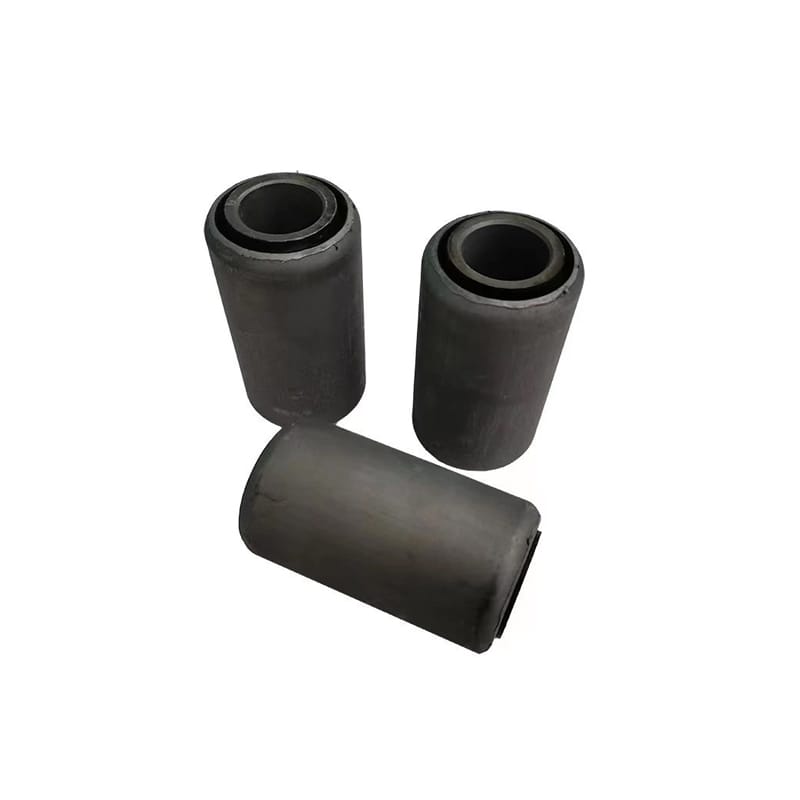
অতিরিক্ত পরীক্ষা কখন বিবেচনা করা মূল্যবান:
- ফুটো উৎপাদন বন্ধ করবে বা নিরাপত্তা ঝুঁকি তৈরি করবে।.
- অংশটি ক্রমাগত সংকুচিত থাকে।.
- পরিবেশ তাপ এবং আক্রমণাত্মক তরল একত্রিত করে।.
- সমাবেশ ব্যাপক তাপমাত্রা সুইং অভিজ্ঞতা।.
- জ্যামিতি স্ট্যান্ডার্ড পরীক্ষার নমুনা থেকে ব্যাপকভাবে পৃথক।.
- একটি দীর্ঘ পরিষেবা ব্যবধান প্রয়োজন।.
- অ্যাপ্লিকেশনটি ব্যাখ্যাতীত ক্ষেত্রের ব্যর্থতার সম্মুখীন হয়েছে।.
- একাধিক উপাদান প্রার্থী মৌলিক ডেটা শীটে একই রকম দেখায়।.
সমালোচনামূলক প্রকল্পগুলির জন্য, পরিষেবা-প্রাসঙ্গিক অবস্থার অধীনে অনুমোদিত যৌগ পরীক্ষা করুন এবং যেখানে ব্যবহারিক সেখানে উত্পাদন-উদ্দেশ্য জ্যামিতি ব্যবহার করে কর্মক্ষমতা নিশ্চিত করুন।.
Huadao অঙ্কন, নমুনা, উপকরণ, কঠোরতা, ছাঁচনির্মাণ প্রয়োজনীয়তা, এবং জন্য আবেদন শর্তাবলী মূল্যায়ন করতে পারেন কাস্টম ঢালাই রাবার অংশ. । ক্রেতারাও বিস্তৃত পর্যালোচনা করতে পারেন কাস্টমাইজড রাবার পণ্য পরিসীমা একটি RFQ প্রস্তুত করার আগে।.
FAQ
একটি নিম্ন রাবার কম্প্রেশন সেট সবসময় ভাল?
একটি নিম্ন ফলাফল সাধারণত উল্লিখিত পরীক্ষার অবস্থার অধীনে ভাল পুনরুদ্ধারের নির্দেশ করে। যাইহোক, সর্বনিম্ন মান স্বয়ংক্রিয়ভাবে সেরা যৌগ সনাক্ত করে না। তরল সামঞ্জস্য, তাপমাত্রা পরিসীমা, টিয়ার প্রতিরোধের, ঘর্ষণ, উত্পাদনযোগ্যতা, নিয়ন্ত্রক প্রয়োজনীয়তা এবং উত্পাদন প্রয়োজনীয়তা চূড়ান্ত সিদ্ধান্ত পরিবর্তন করতে পারে।.
রাবারের জন্য একটি ভাল কম্প্রেশন সেট মান কি?
কোন সর্বজনীন গ্রহণযোগ্য শতাংশ নেই। একটি দরকারী সীমা উপাদান, তাপমাত্রা, সময়কাল, কম্প্রেশন স্ট্রেন, নমুনা, পুনরুদ্ধারের পদ্ধতি এবং প্রয়োগের ঝুঁকি অন্তর্ভুক্ত করা আবশ্যক। পরীক্ষার শর্ত সমতুল্য হলেই মান তুলনা করুন।.
উচ্চ তীরের কঠোরতা কি কম্প্রেশন সেট হ্রাস করে?
অগত্যা। কঠোরতা এবং রাবার কম্প্রেশন সেট বিভিন্ন বৈশিষ্ট্য পরিমাপ। একটি শক্ত যৌগ তাপ এক্সপোজারের পরেও খারাপভাবে পুনরুদ্ধার করতে পারে, যখন একটি নরম যৌগ কার্যকর স্থিতিস্থাপকতা ধরে রাখতে পারে যদি এর গঠন এবং নিরাময় উপযুক্ত হয়।.
একটি রাবার অংশ চ্যাপ্টা হওয়ার পরে পুনরুদ্ধার করতে পারে?
কিছু শারীরিক বিকৃতি সময় বা তাপমাত্রার সাথে পুনরুদ্ধার হতে পারে, কিন্তু রাসায়নিক বার্ধক্য এবং স্থায়ী নেটওয়ার্ক পরিবর্তন নাও হতে পারে। অপসারণের পরে অবিলম্বে অংশ বিচার করার পরিবর্তে একটি সংজ্ঞায়িত পদ্ধতির অধীনে পুনরুদ্ধার পরিমাপ করুন।.
কেন তাপ রাবার কম্প্রেশন সেট খারাপ করে তোলে?
তাপ আণবিক গতিবিধি বাড়ায় এবং অক্সিডেশন, ক্রসলিংক পরিবর্তন, প্লাস্টিকাইজার ক্ষয় এবং অন্যান্য বার্ধক্য প্রক্রিয়াকে ত্বরান্বিত করতে পারে। প্রভাব পলিমার, যৌগ, এক্সপোজার সময়, মাঝারি, এবং নিরাময় সিস্টেমের উপর নির্ভর করে।.
কম্প্রেশন সেট বায়ু বা তরল পরীক্ষা করা উচিত?
প্রমিত তুলনার জন্য বায়ু পরীক্ষা দরকারী। যদি অংশটি তেল, জ্বালানী, কুল্যান্ট, বাষ্প, পরিষ্কারের রাসায়নিক বা অন্য কোনো মাধ্যমে কাজ করে, তাহলে তরল এক্সপোজার প্রয়োজন হতে পারে কারণ ফোলা বা নিষ্কাশন পুনরুদ্ধারকে পরিবর্তন করতে পারে।.
একটি সমাপ্ত কাস্টম অংশ একটি আদর্শ নমুনার পরিবর্তে পরীক্ষা করা যেতে পারে?
কখনও কখনও। স্ট্যান্ডার্ড নমুনাগুলি পুনরাবৃত্তিযোগ্যতা এবং তুলনা উন্নত করে, তবে সমাপ্ত-অংশ বা উত্পাদন-উদ্দেশ্য পরীক্ষা অস্বাভাবিক জ্যামিতিকে আরও ভালভাবে উপস্থাপন করতে পারে। পদ্ধতি, পরিমাপের অবস্থান এবং গ্রহণযোগ্যতার মানদণ্ড উৎপাদনের আগে সম্মত হওয়া উচিত।.
একটি কাস্টম রাবার অংশ উদ্ধৃতি জন্য আমি কি তথ্য পাঠাতে হবে?
অঙ্কন বা নমুনা, উপাদান পছন্দ, কঠোরতা, পরিষেবা তাপমাত্রা, মিডিয়া, কম্প্রেশন বা লোড, প্রয়োজনীয় জীবন, পরিমাণ, সহনশীলতা, পরীক্ষার মান, পরিদর্শন নথি, এবং কোনো পরিচিত ব্যর্থতার ইতিহাস পাঠান। প্রকল্প পর্যালোচনার জন্য, ব্যবহার করুন যোগাযোগ পাতা এবং যতটা সম্ভব আবেদনের বিশদ অন্তর্ভুক্ত করুন।.
উপসংহার
রাবার কম্প্রেশন সেট শুধুমাত্র একটি পরীক্ষাগার শতাংশ নয়। এটি একটি ব্যবহারিক সূচক যে একটি সংকুচিত ইলাস্টোমার পুনরুদ্ধার করতে পারে এবং তার সিলিং, কুশনিং বা লোড-সাপোর্টিং ফাংশন সম্পাদন চালিয়ে যেতে পারে।.
নির্ভরযোগ্য কাস্টম অংশগুলি সঠিক পলিমার পরিবার, যৌগ গঠন, নিরাময় প্রক্রিয়া, জ্যামিতি, কম্প্রেশন পরিসীমা এবং পরিষেবা-প্রাসঙ্গিক পরীক্ষার পরিকল্পনার সমন্বয় থেকে আসে। ক্রেতাদের শুধুমাত্র রঙ, কঠোরতা বা উপাদানের নাম দ্বারা রাবার নির্বাচন করা এড়ানো উচিত। একটি শক্তিশালী স্পেসিফিকেশন প্রকৃত তাপমাত্রা, মাঝারি, লোড, সময়কাল, পুনরুদ্ধারের অবস্থা এবং গ্রহণযোগ্যতার প্রয়োজনীয়তা সংজ্ঞায়িত করে।.
যখন ক্ষেত্রের অংশগুলি তাড়াতাড়ি সমতল হয়, তখন উপকরণ পরিবর্তন করার আগে সম্পূর্ণ সিস্টেমটি তদন্ত করুন। অত্যধিক চাপ, অসম লোডিং, তরল অসামঞ্জস্যতা, নিরাময়ের বৈচিত্র্য, বা অবাস্তব পরীক্ষার শর্তগুলি সংশোধন করা কেবল একটি কঠিন যৌগ বেছে নেওয়ার চেয়ে আরও টেকসই সমাধান সরবরাহ করতে পারে।.