বিষয়বস্তুর সারণী
ভূমিকা
শিল্প সরঞ্জামে, অনেক ছোট উপাদান গুরুত্বপূর্ণ ফাংশন বহন করে। একটি সীল ফুটো প্রতিরোধ করে। একটি বুশিং কম্পন হ্রাস করে। একটি রাবার প্যাড প্রভাব শোষণ করে। একটি প্লাগ ধুলো বা আর্দ্রতা থেকে একটি খোলার রক্ষা করে। একটি গ্যাসকেট একটি সমাবেশের ভিতরে চাপ বজায় রাখতে সাহায্য করে। যদিও এই অংশগুলি প্রায়শই ছোট হয়, তারা সরাসরি সরঞ্জামের স্থিতিশীলতা, নিরাপত্তা এবং দীর্ঘমেয়াদী রক্ষণাবেক্ষণ খরচকে প্রভাবিত করতে পারে।.
কাস্টম ঢালাই রাবার অংশগুলি এমন অ্যাপ্লিকেশনগুলির জন্য ডিজাইন করা হয়েছে যেখানে স্ট্যান্ডার্ড রাবারের উপাদানগুলি প্রয়োজনীয় আকার, আকৃতি, উপাদান, কঠোরতা বা কর্মক্ষমতা সম্পূর্ণরূপে পূরণ করতে পারে না। সরঞ্জাম প্রস্তুতকারক, রক্ষণাবেক্ষণ কোম্পানি এবং শিল্প ক্রেতাদের জন্য, কাস্টম রাবার ছাঁচনির্মাণ নির্দিষ্ট মেশিন এবং কাজের পরিবেশের সাথে মানানসই অংশগুলি তৈরি করার একটি ব্যবহারিক উপায় প্রদান করে।.
অ্যাপ্লিকেশনটির জন্য কম্পন নিয়ন্ত্রণ, সিলিং, কুশনিং, নিরোধক, সুরক্ষা বা পৃষ্ঠের যোগাযোগের প্রয়োজন হোক না কেন, সঠিক ছাঁচে তৈরি রাবার উপাদানটি সরঞ্জামের নির্ভরযোগ্যতা উন্নত করতে পারে এবং অপ্রয়োজনীয় ডাউনটাইম কমাতে পারে।.
কাস্টম ঢালাই রাবার অংশ কি?
কাস্টম ঢালাই রাবার অংশ নির্দিষ্ট অঙ্কন, নমুনা, বা অ্যাপ্লিকেশন প্রয়োজনীয়তা অনুযায়ী একটি ছাঁচ সঙ্গে উত্পাদিত রাবার উপাদান। স্ট্যান্ডার্ড রাবার যন্ত্রাংশের বিপরীতে, এগুলি একটি পণ্য বা মেশিনের সঠিক গঠন এবং কর্মক্ষমতা চাহিদার সাথে মেলে তৈরি করা হয়।.
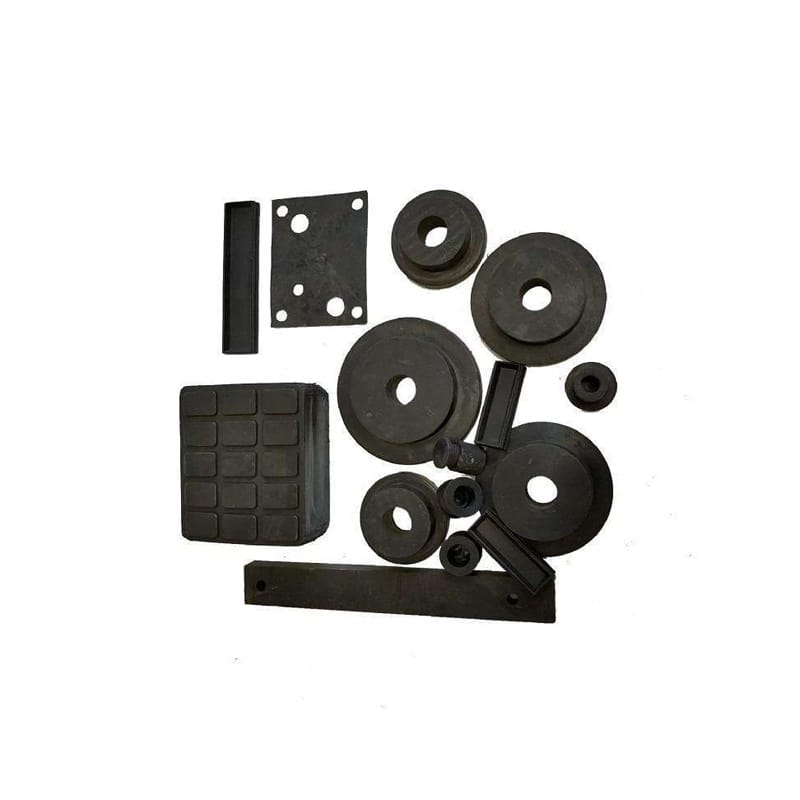
এই অংশগুলি সহজ বা জটিল হতে পারে। কিছু ফ্ল্যাট রাবার প্যাড, সীল, বা প্লাগ। অন্যদের মধ্যে গর্ত, খাঁজ, ঠোঁট, পাঁজর, ধাতব সন্নিবেশ, থ্রেডেড অংশ বা বিশেষ প্রোফাইল অন্তর্ভুক্ত থাকতে পারে। চূড়ান্ত নকশা নির্ভর করে কিভাবে অংশটি ইনস্টল করা হবে এবং এটি কী কাজ করতে হবে তার উপর।.
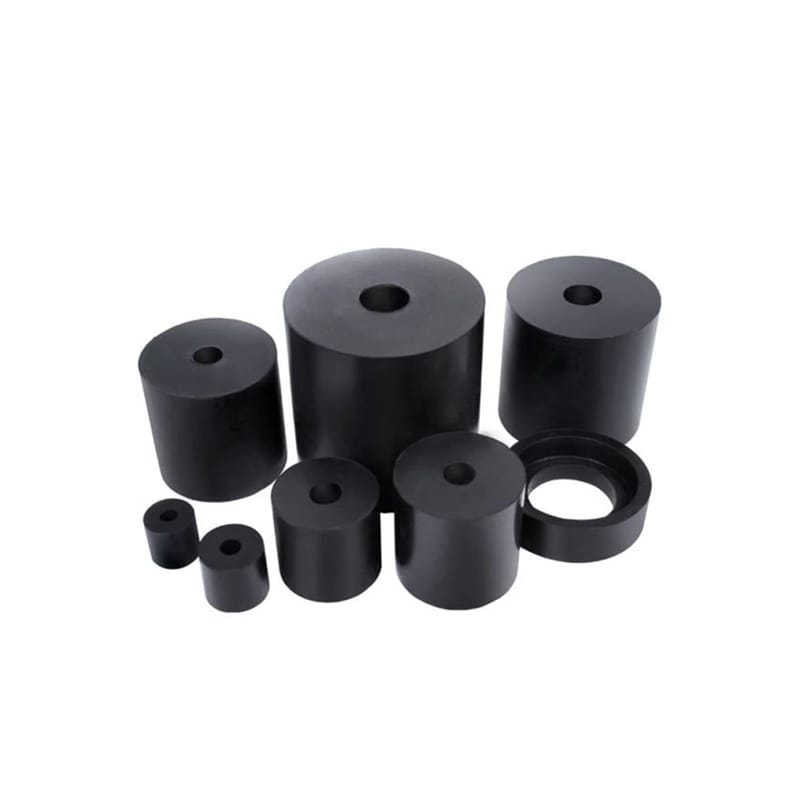
সাধারণ কাস্টম মোল্ড করা রাবারের অংশগুলির মধ্যে রয়েছে রাবার গ্যাসকেট, রাবার সিল, রাবার বুশিং, রাবার প্লাগ, রাবার প্যাড, রাবারের হাতা, রাবার ফুট, রাবার ড্যাম্পার, রাবার বাম্পার, রাবার ওয়াশার, রাবার বেলো এবং রাবারের অংশগুলি ধাতু বা প্লাস্টিকের উপাদানগুলির সাথে বন্ধন করা।.
OEM প্রকল্পগুলির জন্য, কাস্টম রাবার ছাঁচনির্মাণ বিশেষভাবে উপযোগী কারণ এটি একটি বিদ্যমান স্ট্যান্ডার্ড উপাদানের সাথে খাপ খাইয়ে নিতে সরঞ্জামগুলিকে বাধ্য করার পরিবর্তে সরঞ্জামের নকশা অনুসারে অংশটিকে বিকাশ করার অনুমতি দেয়।.
কেন শিল্প ক্রেতাদের কাস্টম রাবার ছাঁচনির্মাণ প্রয়োজন
অনেক শিল্প মেশিন চাহিদাপূর্ণ পরিবেশে কাজ করে। তারা তেল, জল, রাসায়নিক, তাপ, বাইরের আবহাওয়া, সংকোচন, ঘর্ষণ, কম্পন বা বারবার চলাচলের সম্মুখীন হতে পারে। একটি স্ট্যান্ডার্ড রাবারের অংশ আকারের সাথে মানানসই হতে পারে কিন্তু উপাদান বা কাঠামো উপযুক্ত না হলে প্রকৃত কাজের পরিস্থিতিতে ব্যর্থ হতে পারে।.
কাস্টম রাবার ছাঁচনির্মাণ রাবারের অংশটিকে বাস্তব প্রয়োগের সাথে মিলিয়ে এই সমস্যার সমাধান করতে সহায়তা করে। ক্রেতা আকার, উপাদান, কঠোরতা, সহনশীলতা, রঙ, পৃষ্ঠের ফিনিস এবং কর্মক্ষমতা প্রয়োজনীয়তা সংজ্ঞায়িত করতে পারেন।.
উদাহরণস্বরূপ, তেলের কাছাকাছি ব্যবহৃত একটি রাবার গ্যাসকেটের অবশ্যই ভাল তেল প্রতিরোধের থাকতে হবে। ভারী সরঞ্জামগুলিতে ব্যবহৃত একটি রাবার বাম্পারের যথেষ্ট কঠোরতা এবং কম্প্রেশন শক্তি থাকতে হবে। বাইরের আবহাওয়ার সংস্পর্শে আসা একটি রাবার সীল ওজোন, বার্ধক্য এবং তাপমাত্রার পরিবর্তনকে প্রতিরোধ করবে। যন্ত্রপাতিতে ব্যবহৃত একটি রাবার বুশিং কম্পন নিয়ন্ত্রণ এবং লোড সমর্থনের ভারসাম্য বজায় রাখতে হবে।.
এই কারণেই কাস্টম মোল্ডেড রাবারের অংশগুলি যন্ত্রপাতি উত্পাদন, অটোমেশন সরঞ্জাম, পরিবহন ব্যবস্থা, নির্মাণ যন্ত্রপাতি, কৃষি সরঞ্জাম, প্যাকেজিং মেশিন এবং শিল্প রক্ষণাবেক্ষণ প্রকল্পগুলিতে ব্যাপকভাবে ব্যবহৃত হয়।.
কাস্টম ঢালাই রাবার অংশ প্রধান ফাংশন
সিলিং এবং ফুটো প্রতিরোধ
সিল করার জন্য রাবার ব্যাপকভাবে ব্যবহৃত হয় কারণ এটি দুটি পৃষ্ঠের মধ্যে ছোট ফাঁক সংকুচিত এবং পূরণ করতে পারে। কাস্টম ঢালাই রাবার সীল এবং gaskets প্রায়ই বায়ু, জল, তেল, ধুলো, বা অন্যান্য পদার্থ প্রবেশ বা সরঞ্জাম থেকে ফুটো প্রতিরোধ করতে ব্যবহার করা হয়।.
একটি ভাল সিলিং অংশে অবশ্যই সঠিক উপাদান, কঠোরতা, কম্প্রেশন আচরণ এবং মাত্রিক নির্ভুলতা থাকতে হবে। রাবার খুব শক্ত হলে, এটি সঠিকভাবে সিল নাও হতে পারে। যদি এটি খুব নরম হয় তবে এটি খুব বেশি বিকৃত হতে পারে এবং দীর্ঘমেয়াদী সিলিং চাপ হারাতে পারে।.
কম্পন হ্রাস
রাবারের প্রাকৃতিক স্যাঁতসেঁতে বৈশিষ্ট্য রয়েছে, যা এটিকে কম্পন নিয়ন্ত্রণের জন্য উপযোগী করে তোলে। কাস্টম ঢালাই রাবার বুশিং, মাউন্ট, প্যাড এবং ড্যাম্পার যান্ত্রিক অংশগুলির মধ্যে কম্পন স্থানান্তর কমাতে পারে।.
এটি সরঞ্জামের কাঠামো রক্ষা করতে, শব্দ কমাতে এবং অপারেটিং স্থিতিশীলতা উন্নত করতে সহায়তা করে। মোটর, পাম্প, কনভেয়র, ভাইব্রেটিং সিস্টেম বা চলন্ত সমাবেশ সহ যন্ত্রপাতিগুলিতে, রাবারের কম্পন অংশগুলি প্রায়শই অপরিহার্য।.
শক শোষণ
রাবারের অংশগুলি প্রভাব শোষণ করতে পারে এবং অনমনীয় উপাদানগুলির মধ্যে সরাসরি সংঘর্ষ কমাতে পারে। মোল্ডেড রাবার বাম্পার, বাফার প্যাড এবং প্রতিরক্ষামূলক ব্লকগুলি প্রায়শই ব্যবহৃত হয় যেখানে মেশিনগুলি থামে, চাপ দেয়, বন্ধ করে, উত্তোলন করে বা বারবার সরে যায়।.
প্রভাব শক্তি হ্রাস করে, এই উপাদানগুলি ফ্রেম, বন্ধনী, প্যানেল এবং অন্যান্য ব্যয়বহুল যান্ত্রিক কাঠামো রক্ষা করতে সহায়তা করে।.
সারফেস প্রোটেকশন
কাস্টম রাবার প্যাড, পা, হাতা, কভার এবং প্রান্ত রক্ষাকারী স্ক্র্যাচিং, ঘর্ষণ এবং যান্ত্রিক ক্ষতি প্রতিরোধ করতে সাহায্য করে। যখন সরঞ্জামগুলির ধাতব অংশ, ওয়ার্কপিস বা সমর্থন পৃষ্ঠের মধ্যে একটি প্রতিরক্ষামূলক যোগাযোগ স্তরের প্রয়োজন হয় তখন এগুলি কার্যকর।.
ধুলো এবং আর্দ্রতা সুরক্ষা
রাবার প্লাগ, ক্যাপ, বুট এবং কভারগুলি গর্ত, সংযোগকারী, শ্যাফ্ট, তারগুলি এবং সরঞ্জাম খোলার সুরক্ষার জন্য ব্যবহৃত হয়। তারা ধুলো, আর্দ্রতা, ময়লা এবং ধ্বংসাবশেষকে সংবেদনশীল এলাকায় প্রবেশ করতে বাধা দিতে সাহায্য করে।.
নিরোধক এবং শব্দ নিয়ন্ত্রণ
রাবার উপযুক্ত অ্যাপ্লিকেশনগুলিতে বৈদ্যুতিক নিরোধক এবং শব্দ হ্রাস প্রদান করতে পারে। ঢালাই করা রাবারের অংশগুলি উপাদানগুলিকে বিচ্ছিন্ন করতে, কম্পনের শব্দ কমাতে বা অনমনীয় পৃষ্ঠের সাথে সরাসরি যোগাযোগ থেকে অপারেটরদের রক্ষা করতে ব্যবহার করা যেতে পারে।.
কাস্টম ঢালাই রাবার অংশ সাধারণ প্রকার
| পণ্যের ধরন | প্রধান ফাংশন | সাধারণ আবেদন |
|---|---|---|
| রাবার গ্যাসকেট | সিলিং এবং চাপ ধরে রাখা | কভার, flanges, হাউজিং, সরঞ্জাম জয়েন্টগুলোতে |
| রাবার সীল | ফুটো এবং ধুলো প্রতিরোধ | যন্ত্রপাতি, পাম্প, প্যানেল, ঘের |
| রাবার বুশিংস | কম্পন নিয়ন্ত্রণ এবং লোড সমর্থন | যান্ত্রিক সংযোগ, সরঞ্জাম জয়েন্টগুলোতে |
| রাবার প্যাড | কুশনিং এবং পৃষ্ঠ সুরক্ষা | যন্ত্রপাতি ঘাঁটি, সমর্থন পয়েন্ট, যোগাযোগ পৃষ্ঠতল |
| রাবার প্লাগ | গর্ত সুরক্ষা এবং sealing | টিউব, প্যানেল, সরঞ্জাম খোলা |
| রাবার বাম্পার | প্রভাব শোষণ | দরজা, যন্ত্রপাতি স্টপ, সুরক্ষা পয়েন্ট |
| রাবার হাতা | সুরক্ষা এবং নিরোধক | খাদ, তার, পাইপ, সংযোগকারী |
| রাবার ফুট | অ্যান্টি-স্লিপ এবং কম্পন হ্রাস | সরঞ্জাম ঘাঁটি এবং যন্ত্রপাতি |
| রাবার-ধাতু অংশ | কাঠামোগত সমর্থন এবং শক শোষণ | মাউন্ট, শিল্প সরঞ্জাম, যানবাহন |
এই অংশগুলি আকার, আকৃতি, উপাদান, কঠোরতা, রঙ এবং ইনস্টলেশন পদ্ধতির উপর ভিত্তি করে কাস্টমাইজ করা যেতে পারে।.
কাস্টম ঢালাই রাবার অংশ জন্য ব্যবহৃত উপকরণ
উপাদান নির্বাচন রাবার পণ্য উন্নয়নের সবচেয়ে গুরুত্বপূর্ণ পদক্ষেপ এক। বিভিন্ন রাবার উপকরণ বিভিন্ন শক্তি আছে। সঠিক উপাদান অপারেটিং পরিবেশ এবং কর্মক্ষমতা প্রয়োজনীয়তার উপর নির্ভর করে।.
| রাবার উপাদান | মূল সুবিধা | উপযুক্ত অ্যাপ্লিকেশন |
|---|---|---|
| প্রাকৃতিক রাবার | চমৎকার স্থিতিস্থাপকতা এবং প্রসার্য শক্তি | শক শোষণ, কম্পন অংশ, সাধারণ কুশনিং |
| এসবিআর রাবার | ভাল ঘর্ষণ প্রতিরোধের এবং খরচ দক্ষতা | সাধারণ শিল্প রাবার অংশ |
| এনবিআর রাবার | শক্তিশালী তেল এবং গ্রীস প্রতিরোধের | তেল সীল, gaskets, যন্ত্রপাতি অংশ |
| EPDM রাবার | আবহাওয়া, ওজোন এবং বার্ধক্য প্রতিরোধের | আউটডোর সিল, জলরোধী অংশ, আবহাওয়া-উন্মুক্ত উপাদান |
| সিলিকন রাবার | তাপ প্রতিরোধের এবং নরম নমনীয়তা | উচ্চ-তাপমাত্রার সীল, খাদ্য-গ্রেড বা সূক্ষ্ম অ্যাপ্লিকেশন |
| নিওপ্রিন রাবার | সুষম তেল, আবহাওয়া এবং বার্ধক্য প্রতিরোধের | শিল্প প্যাড, প্রতিরক্ষামূলক অংশ, সীল |
| ফ্লুরোরাবার | উচ্চ রাসায়নিক এবং তাপমাত্রা প্রতিরোধের | বিশেষ সিলিং এবং চাহিদা শিল্প পরিবেশ |
| পলিউরেথেন | উচ্চ পরিধান প্রতিরোধের এবং লোড ক্ষমতা | রোলার, প্যাড, স্ক্র্যাপিং অংশ, উচ্চ-ঘর্ষণ উপাদান |
বেশিরভাগ শিল্প ক্রেতাদের জন্য, সেরা উপাদানটি সবচেয়ে ব্যয়বহুল নয়। এটি এমন উপাদান যা প্রকৃত কাজের অবস্থার সাথে মেলে। যদি অংশটি তেলের সাথে যোগাযোগ করে তবে এনবিআর আরও উপযুক্ত হতে পারে। যদি এটি বাইরে ব্যবহার করা হয়, EPDM আরও ভাল কাজ করতে পারে। যদি এটি তাপ প্রতিরোধের প্রয়োজন হয়, সিলিকন বা অন্যান্য উচ্চ-তাপমাত্রার উপকরণ বিবেচনা করা যেতে পারে।.
রাবার কঠোরতা এবং কেন এটি গুরুত্বপূর্ণ
রাবারের কঠোরতা প্রভাবিত করে কিভাবে অংশটি সংকুচিত হয়, সিল করে, লোড সমর্থন করে এবং পরিধান প্রতিরোধ করে। এটি সাধারণত শোর এ দ্বারা পরিমাপ করা হয়।.
একটি নরম রাবার অংশ ভাল নমনীয়তা এবং সিলিং যোগাযোগ প্রদান করতে পারে। এটি gaskets, নরম প্যাড, স্তন্যপান অংশ, এবং সূক্ষ্ম পৃষ্ঠ সুরক্ষা জন্য দরকারী। একটি শক্ত রাবারের অংশ শক্তিশালী সমর্থন এবং ভাল আকৃতির স্থিতিশীলতা প্রদান করে। এটি প্রায়শই বাম্পার, লোড বহনকারী প্যাড এবং কাঠামোগত সুরক্ষা অংশগুলির জন্য ব্যবহৃত হয়।.
যাইহোক, কঠোরতা সাবধানে নির্বাচন করা আবশ্যক। যদি একটি গ্যাসকেট খুব শক্ত হয়, এটি কার্যকরভাবে সিল নাও হতে পারে। যদি একটি বাম্পার খুব নরম হয়, এটি প্রভাবে ভেঙে পড়তে পারে। যদি একটি বুশিং খুব শক্ত হয় তবে এটি খুব বেশি কম্পন প্রেরণ করতে পারে। যদি এটি খুব নরম হয় তবে এটি সমাবেশকে সঠিকভাবে সমর্থন নাও করতে পারে।.
কাস্টম ঢালাই রাবার অংশগুলির জন্য, কঠোরতা শুধুমাত্র চেহারা বা পূর্ব অভিজ্ঞতা অনুযায়ী নয়, অংশের কার্যকারিতা অনুযায়ী নির্বাচন করা উচিত।.
জন্য মূল নকশা ফ্যাক্টর কাস্টম রাবার অংশ
অংশ জ্যামিতি
রাবার অংশের আকৃতি কর্মক্ষমতা এবং উত্পাদন উভয়ই প্রভাবিত করে। পাতলা দেয়াল, তীক্ষ্ণ কোণ, গভীর খাঁজ, আন্ডারকাট এবং জটিল গহ্বর ছাঁচনির্মাণের অসুবিধা বাড়াতে পারে। একটি ব্যবহারিক নকশা ফাংশন, moldability, এবং দীর্ঘমেয়াদী স্থায়িত্ব ভারসাম্য করা উচিত।.
সহনশীলতার প্রয়োজনীয়তা
রাবার নমনীয় এবং ধাতু বা প্লাস্টিক থেকে বিভিন্ন সংকোচন আচরণ আছে। অতএব, সহনশীলতা নকশা বাস্তবসম্মত হতে হবে। সিলিং পৃষ্ঠতল, মাউন্ট গর্ত, এবং সমাবেশ মাত্রা জন্য, কঠোর নিয়ন্ত্রণ প্রয়োজন হতে পারে।.
কম্প্রেশন পরিসীমা
gaskets, প্যাড, বাম্পার, এবং bushings জন্য, কম্প্রেশন পরিসীমা গুরুত্বপূর্ণ। রাবারকে অবশ্যই তার কার্য সম্পাদন করার জন্য যথেষ্ট সংকুচিত করতে হবে তবে এতটা নয় যে এটি আকৃতি হারায় বা তাড়াতাড়ি ব্যর্থ হয়।.
সারফেস ফিনিশ
কিছু অংশ সিল করার জন্য একটি মসৃণ পৃষ্ঠ প্রয়োজন। অন্যদের গ্রিপ বা অ্যান্টি-স্লিপ পারফরম্যান্সের জন্য টেক্সচারের প্রয়োজন হতে পারে। ছাঁচ নকশা আগে পৃষ্ঠ ফিনিস আলোচনা করা উচিত।.
ধাতু বা প্লাস্টিক সন্নিবেশ
কিছু রাবারের অংশের জন্য ধাতব প্লেট, বোল্ট, বুশিং, থ্রেডেড ইনসার্ট বা প্লাস্টিকের ফিটিং প্রয়োজন। এই অংশগুলি সাধারণত ব্যবহৃত হয় যেখানে রাবারকে সরঞ্জামের কাঠামোর সাথে সংযোগ করতে হয়। বন্ধন গুণমান এবং সন্নিবেশ অবস্থান সাবধানে নিয়ন্ত্রণ করা আবশ্যক।.
কাজের পরিবেশ
তাপমাত্রা, তেল, রাসায়নিক, জল, সূর্যালোক, ওজোন, ধুলো এবং বারবার চলাচল সবই রাবারের কর্মক্ষমতা প্রভাবিত করে। অংশ নকশা বাস্তব কাজের অবস্থার উপর ভিত্তি করে করা উচিত।.
কাস্টম ঢালাই রাবার যন্ত্রাংশ উত্পাদন প্রক্রিয়া
প্রয়োজনীয়তা পর্যালোচনা
প্রক্রিয়াটি অঙ্কন, নমুনা, ফটো বা অ্যাপ্লিকেশন তথ্য দিয়ে শুরু হয়। প্রস্তুতকারক পণ্যের মাত্রা, উপাদানের চাহিদা, কঠোরতা, পরিমাণ, সহনশীলতা এবং কাজের পরিবেশ পর্যালোচনা করে।.
যদি ক্রেতার সম্পূর্ণ অঙ্কন না থাকে, তাহলে একটি ভৌত নমুনা বা বিশদ বিবরণ প্রস্তুতকারককে কাঠামোটি মূল্যায়ন করতে এবং একটি সমাধানের সুপারিশ করতে সহায়তা করতে পারে।.
উপাদান নির্বাচন
রাবার যৌগ প্রয়োজনীয় কর্মক্ষমতা অনুযায়ী নির্বাচন করা হয়। উপাদান পছন্দ স্থিতিস্থাপকতা, তেল প্রতিরোধের, তাপমাত্রা প্রতিরোধের, বার্ধক্য প্রতিরোধের, কম্প্রেশন আচরণ, এবং পরিষেবা জীবন প্রভাবিত করে।.
ছাঁচ নকশা এবং উত্পাদন
কাস্টম অংশগুলির জন্য, ছাঁচটি অবশ্যই পণ্যের আকার, সংকোচন, বিভাজন লাইন, ডিমোল্ডিং পদ্ধতি এবং উত্পাদনের পরিমাণ অনুসারে ডিজাইন করা উচিত। ছাঁচের গুণমান পণ্যের সামঞ্জস্যের উপর সরাসরি প্রভাব ফেলে।.
রাবার ছাঁচনির্মাণ
কাস্টম রাবার অংশগুলি সাধারণত কম্প্রেশন ছাঁচনির্মাণ, স্থানান্তর ছাঁচনির্মাণ বা ইনজেকশন ছাঁচনির্মাণের মাধ্যমে উত্পাদিত হয়। সর্বোত্তম পদ্ধতি অংশ গঠন, উপাদান, নির্ভুলতা প্রয়োজনীয়তা, এবং উত্পাদন ভলিউম উপর নির্ভর করে।.
ছাঁটাই এবং সমাপ্তি
ছাঁচনির্মাণের পরে, অতিরিক্ত ফ্ল্যাশ সরানো হয়। কিছু অংশে কাটা, পাঞ্চিং, পৃষ্ঠের চিকিত্সা, বন্ধন বা অন্যান্য উপাদানগুলির সাথে সমাবেশের প্রয়োজন হতে পারে।.
পরিদর্শন
গুণমান পরিদর্শনে মাত্রা, কঠোরতা, চেহারা, পৃষ্ঠের সমাপ্তি, কম্প্রেশন আচরণ, বন্ধন শক্তি এবং অন্যান্য গ্রাহক-নির্দিষ্ট প্রয়োজনীয়তা অন্তর্ভুক্ত থাকতে পারে।.
কম্প্রেশন ছাঁচনির্মাণ, স্থানান্তর ছাঁচনির্মাণ, এবং ইনজেকশন ছাঁচনির্মাণ
বিভিন্ন উত্পাদন প্রয়োজনের জন্য বিভিন্ন ছাঁচনির্মাণ পদ্ধতি ব্যবহার করা হয়।.
| ছাঁচনির্মাণ পদ্ধতি | প্রধান বৈশিষ্ট্য | উপযুক্ত |
|---|---|---|
| কম্প্রেশন ছাঁচনির্মাণ | রাবার একটি খোলা ছাঁচে স্থাপন করা হয় এবং তাপের অধীনে সংকুচিত হয় | মাঝারি আয়তনের অংশ, বড় অংশ, সহজ থেকে মাঝারি কাঠামো |
| স্থানান্তর ছাঁচনির্মাণ | রাবার একটি স্থানান্তর চেম্বারের মাধ্যমে ছাঁচের গহ্বরে ঠেলে দেওয়া হয় | সন্নিবেশ সহ অংশ, আরো বিস্তারিত আকার, ভাল সামঞ্জস্য |
| ইনজেকশন ছাঁচনির্মাণ | রাবার চাপে একটি বন্ধ ছাঁচে ইনজেকশন করা হয় | উচ্চ-ভলিউম উত্পাদন এবং সুনির্দিষ্ট পুনরাবৃত্তিযোগ্যতা |
কম্প্রেশন ছাঁচনির্মাণ প্রায়ই অনেক কাস্টম রাবার উপাদানের জন্য ব্যবহারিক। স্থানান্তর ছাঁচনির্মাণ দরকারী যখন অংশ সন্নিবেশ বা আরো বিস্তারিত বৈশিষ্ট্য আছে। ইনজেকশন ছাঁচনির্মাণ বৃহত্তর উত্পাদন চালানোর জন্য আরও দক্ষ যেখানে ধারাবাহিকতা এবং গতি গুরুত্বপূর্ণ।.
কাস্টম মোল্ডেড রাবার পার্টস বনাম স্ট্যান্ডার্ড রাবার পার্টস
| তুলনা আইটেম | স্ট্যান্ডার্ড রাবার অংশ | কাস্টম ঢালাই রাবার অংশ |
|---|---|---|
| আকার | নির্দিষ্ট মাপ | প্রয়োজনীয় মাত্রায় তৈরি |
| আকৃতি | সীমিত বিকল্প | নির্দিষ্ট সরঞ্জামের জন্য ডিজাইন করা হয়েছে |
| উপাদান | সাধারণত সীমিত | কাজের অবস্থা দ্বারা নির্বাচিত |
| কঠোরতা | স্ট্যান্ডার্ড পরিসীমা | কাস্টমাইজ করা যাবে |
| মানানসই করা | সমন্বয় প্রয়োজন হতে পারে | ভাল ইনস্টলেশন সামঞ্জস্য |
| কর্মক্ষমতা | সাধারণ ব্যবহার | অ্যাপ্লিকেশন-নির্দিষ্ট |
| জন্য সেরা | সহজ প্রতিস্থাপন | OEM, শিল্প যন্ত্রপাতি, বিশেষ সরঞ্জাম |
স্ট্যান্ডার্ড অংশগুলি দরকারী যখন অ্যাপ্লিকেশনটি সহজ এবং সাধারণ হয়। কাস্টম ঢালাই রাবার অংশগুলি আরও ভাল হয় যখন সরঞ্জামগুলির একটি নির্দিষ্ট কাঠামো, উপাদান কর্মক্ষমতা, বা স্থিতিশীল দীর্ঘমেয়াদী ফিট প্রয়োজন।.
তথ্য ক্রেতাদের কাস্টম অর্ডারের জন্য প্রদান করা উচিত
যোগাযোগ উন্নত করতে এবং ত্রুটি কমাতে, ক্রেতাদের একটি উদ্ধৃতি অনুরোধ করার আগে পরিষ্কার পণ্য তথ্য প্রস্তুত করা উচিত।.
গুরুত্বপূর্ণ বিবরণ অন্তর্ভুক্ত:
পণ্য অঙ্কন বা শারীরিক নমুনা
প্রধান মাত্রা এবং সহনশীলতা প্রয়োজনীয়তা
রাবার উপাদান যদি জানা যায়
কঠোরতা প্রয়োজন
অ্যাপ্লিকেশন পরিবেশ
কাজের তাপমাত্রা
তেল, জল, রাসায়নিক বা বাইরের আবহাওয়ার সাথে যোগাযোগ করুন
লোড, চাপ, বা কম্প্রেশন অবস্থা
ইনস্টলেশন পদ্ধতি
পরিমাণ এবং প্রত্যাশিত পুনরাবৃত্তি আদেশ
রঙ এবং পৃষ্ঠ ফিনিস প্রয়োজনীয়তা
কোন পরীক্ষা বা সার্টিফিকেশন প্রয়োজন
ক্রেতা উপাদান বা কঠোরতা সম্পর্কে অনিশ্চিত হলে, অ্যাপ্লিকেশন পরিবেশ প্রস্তুতকারককে একটি উপযুক্ত সুপারিশ করতে সাহায্য করতে পারে।.
কাস্টম রাবার পণ্য সাধারণ সমস্যা
ভুল উপাদান নির্বাচন
রাবার উপাদান কাজের পরিবেশের সাথে মেলে না হলে একটি অংশ তাড়াতাড়ি ব্যর্থ হতে পারে। উদাহরণস্বরূপ, তেলের সংস্পর্শে এলে সাধারণ রাবার ফুলে যেতে পারে, যখন কিছু উপাদান বাইরে দ্রুত ফাটতে পারে।.
দরিদ্র মাত্রিক নিয়ন্ত্রণ
যদি অংশটি খুব বড়, খুব ছোট বা ব্যাচগুলির মধ্যে অসামঞ্জস্যপূর্ণ হয় তবে সমাবেশ সমস্যা হতে পারে। ছাঁচ নকশা এবং প্রক্রিয়া নিয়ন্ত্রণ স্থিতিশীল মাত্রা জন্য গুরুত্বপূর্ণ।.
অত্যধিক ফ্ল্যাশ
ঢালাই রাবার উৎপাদনে ফ্ল্যাশ সাধারণ, কিন্তু অত্যধিক ফ্ল্যাশ চেহারা, সিলিং এবং সমাবেশকে প্রভাবিত করতে পারে। সঠিক ছাঁটাই এবং ছাঁচ রক্ষণাবেক্ষণ প্রয়োজন।.
পৃষ্ঠের ত্রুটি
বুদবুদ, ফাটল, ডেন্ট এবং অসম পৃষ্ঠ পণ্যের গুণমান হ্রাস করতে পারে। সিল করার অংশগুলির জন্য, পৃষ্ঠের ত্রুটিগুলি সরাসরি ফুটো হতে পারে।.
দুর্বল রাবার-ধাতু বন্ধন
রাবার-ধাতু অংশগুলির জন্য, বন্ধন ব্যর্থতা গুরুতর কর্মক্ষমতা সমস্যা হতে পারে। পৃষ্ঠ প্রস্তুতি, আঠালো নির্বাচন, এবং ছাঁচনির্মাণ অবস্থা সাবধানে নিয়ন্ত্রণ করা আবশ্যক।.
অসামঞ্জস্যপূর্ণ কঠোরতা
যদি ব্যাচগুলির মধ্যে কঠোরতা খুব বেশি পরিবর্তিত হয়, তবে অংশটি ভিন্নভাবে সংকুচিত হতে পারে এবং সরঞ্জামের কার্যকারিতাকে প্রভাবিত করতে পারে।.
কিভাবে কাস্টম রাবার যন্ত্রাংশ সরঞ্জাম নির্ভরযোগ্যতা উন্নত
কাস্টম ঢালাই রাবার অংশগুলি অ্যাপ্লিকেশনের সাথে অংশটি মেলে সরঞ্জামের নির্ভরযোগ্যতা উন্নত করে। একটি সাধারণ উপাদান ব্যবহার করার পরিবর্তে যা শুধুমাত্র মোটামুটিভাবে ফিট করে, ক্রেতা প্রয়োজনীয় লোড, পরিবেশ এবং ইনস্টলেশন কাঠামোর জন্য ডিজাইন করা একটি অংশ ব্যবহার করতে পারেন।.
এটি ফুটো, কম্পন, শব্দ, প্রভাবের ক্ষতি, ধুলো প্রবেশ এবং পৃষ্ঠের পরিধান কমাতে সাহায্য করে। এটি সমাবেশের দক্ষতাও উন্নত করে কারণ অংশটি আরও সঠিকভাবে সরঞ্জামের সাথে ফিট করে।.
OEM সরঞ্জাম প্রস্তুতকারকদের জন্য, সামঞ্জস্যপূর্ণ রাবার অংশগুলি স্থিতিশীল পণ্যের গুণমানকে সমর্থন করে। রক্ষণাবেক্ষণ সংস্থাগুলির জন্য, সঠিক কাস্টম রাবার উপাদান পুনরাবৃত্তি মেরামত কমাতে পারে। শিল্প ব্যবহারকারীদের জন্য, ভাল রাবার যন্ত্রাংশ কম বাধা সহ মেশিনগুলিকে দীর্ঘ সময় ধরে চলতে সাহায্য করতে পারে।.
কিভাবে একটি কাস্টম রাবার যন্ত্রাংশ প্রস্তুতকারক চয়ন করুন
একজন নির্ভরযোগ্য প্রস্তুতকারকের রাবার উপাদান নির্বাচন, ছাঁচ বিকাশ, মাত্রিক নিয়ন্ত্রণ এবং শিল্প প্রয়োগ সমর্থনের অভিজ্ঞতা থাকতে হবে।.
সরবরাহকারীর মূল্যায়ন করার সময়, ক্রেতাদের বিবেচনা করা উচিত যে প্রস্তুতকারক অঙ্কন বা নমুনা থেকে কাজ করতে পারে, উপযুক্ত উপকরণ সুপারিশ করতে পারে, কঠোরতা কাস্টমাইজ করতে পারে, রাবার-ধাতু বন্ধনযুক্ত অংশ তৈরি করতে পারে, মূল মাত্রাগুলি পরিদর্শন করতে পারে, পুনরাবৃত্তি আদেশ সমর্থন করতে পারে এবং আবেদনের প্রয়োজনীয়তা সম্পর্কে স্পষ্টভাবে যোগাযোগ করতে পারে।.
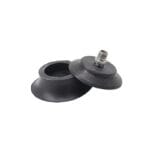
রাবার বাফার স্প্রিংস, সাকশন কাপ, গ্যাসকেট, সিল, বুশিং, ঢালাই করা রাবারের অংশ এবং প্লাস্টিক ইনজেকশন মোল্ড করা উপাদানগুলির মতো সম্পর্কিত রাবার এবং প্লাস্টিক পণ্য সরবরাহ করতে পারে এমন একটি প্রস্তুতকারকের সাথে কাজ করাও সহায়ক। এটি একাধিক উপাদানের চাহিদা সহ ক্রেতাদের জন্য সোর্সিংকে সহজ করতে পারে।.
উপসংহার
কাস্টম ঢালাই রাবার অংশ শিল্প সরঞ্জাম এবং OEM উত্পাদন অপরিহার্য উপাদান। তারা সিলিং, কম্পন হ্রাস, শক শোষণ, পৃষ্ঠ সুরক্ষা, নিরোধক, ধুলো প্রতিরোধ, এবং সরঞ্জাম সমর্থন প্রদান করে।.
সঠিক ঢালাই রাবার পণ্য চয়ন করতে, ক্রেতাদের উপাদান, কঠোরতা, আকৃতি, সহনশীলতা, কম্প্রেশন আচরণ, কাজের পরিবেশ, ইনস্টলেশন পদ্ধতি এবং উত্পাদন গুণমান বিবেচনা করা উচিত। একটি ভাল ডিজাইন করা কাস্টম রাবার অংশ সরঞ্জামের নির্ভরযোগ্যতা উন্নত করতে পারে, রক্ষণাবেক্ষণের সমস্যা কমাতে পারে এবং দীর্ঘমেয়াদী স্থিতিশীল অপারেশনকে সমর্থন করতে পারে।.
শিল্প ক্রেতা, যন্ত্রপাতি প্রস্তুতকারক এবং রক্ষণাবেক্ষণ দলগুলির জন্য, কাস্টম রাবার ছাঁচনির্মাণ একটি নমনীয় এবং ব্যবহারিক সমাধান প্রদান করে যখন স্ট্যান্ডার্ড রাবারের উপাদানগুলি বাস্তব প্রয়োগের চাহিদা পূরণ করতে পারে না।.
FAQ
কাস্টম ঢালাই রাবার অংশ কি?
কাস্টম ঢালাই রাবার অংশ নির্দিষ্ট অঙ্কন, নমুনা, বা অ্যাপ্লিকেশন প্রয়োজনীয়তা অনুযায়ী একটি ছাঁচ সঙ্গে উত্পাদিত রাবার উপাদান। এগুলি সিলিং, কুশনিং, কম্পন নিয়ন্ত্রণ, সুরক্ষা এবং শিল্প সরঞ্জাম সমাবেশের জন্য ব্যবহৃত হয়।.
ঢালাই রাবার অংশ জন্য কি উপকরণ ব্যবহার করা হয়?
সাধারণ উপকরণগুলির মধ্যে রয়েছে প্রাকৃতিক রাবার, এসবিআর, এনবিআর, ইপিডিএম, সিলিকন, নিওপ্রিন, ফ্লুরোরাবার এবং পলিউরেথেন। সর্বোত্তম উপাদান তাপমাত্রা, তেল এক্সপোজার, আবহাওয়া প্রতিরোধের, পরিধান প্রতিরোধের, এবং প্রয়োগের প্রয়োজনের উপর নির্ভর করে।.
নমুনা থেকে ঢালাই রাবার অংশ তৈরি করা যেতে পারে?
হ্যাঁ। অনেক কাস্টম রাবার অংশগুলি শারীরিক নমুনা, ফটো বা মৌলিক মাত্রা থেকে তৈরি করা যেতে পারে যখন সম্পূর্ণ অঙ্কন পাওয়া যায় না।.
কাস্টম রাবার অংশের গুণমানকে কী প্রভাবিত করে?
উপাদান নির্বাচন, ছাঁচ নকশা, রাবার কঠোরতা, মাত্রিক নিয়ন্ত্রণ, নিরাময় প্রক্রিয়া, পৃষ্ঠ ফিনিস, ছাঁটাই গুণমান, এবং পরিদর্শন মান সব চূড়ান্ত পণ্য গুণমান প্রভাবিত করে।.
আমি কখন স্ট্যান্ডার্ড অংশের পরিবর্তে কাস্টম রাবার অংশগুলি বেছে নেব?
কাস্টম রাবার অংশগুলি সুপারিশ করা হয় যখন স্ট্যান্ডার্ড অংশগুলি প্রয়োজনীয় আকার, আকৃতি, উপাদান কর্মক্ষমতা, কঠোরতা, ইনস্টলেশন ফিট বা কাজের পরিবেশ পূরণ করতে পারে না।.