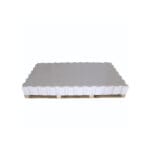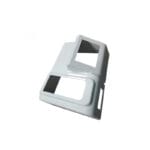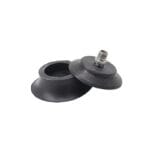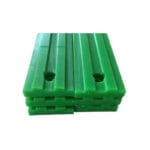
আপনার প্রকল্পের জন্য উচ্চ মানের কাস্টম প্লাস্টিকের উপাদান খুঁজছেন? আমাদের অভিজ্ঞ ম্যানুফ্যাকচারিং টিম আপনার প্রয়োজন অনুসারে নির্ভুল-ইঞ্জিনিয়ারযুক্ত সমাধান সরবরাহ করে।. যোগাযোগ করুন আজ আপনার প্রয়োজনীয়তা নিয়ে আলোচনা করতে এবং একটি ব্যক্তিগতকৃত পরামর্শ পেতে।.
বিষয়বস্তুর সারণী
ভূমিকা
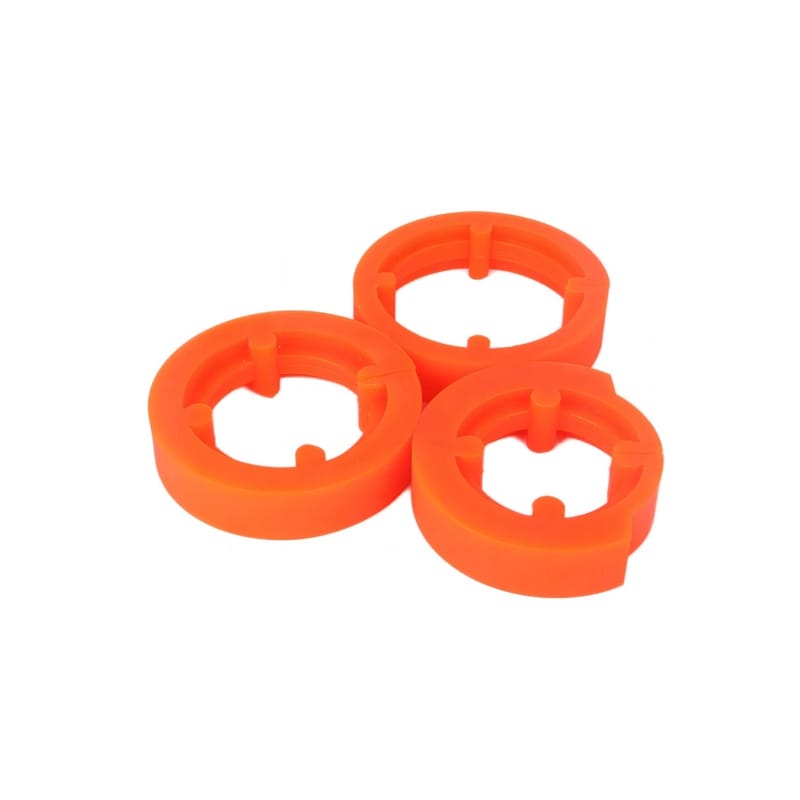
কাস্টম প্লাস্টিকের উপাদানগুলি আধুনিক শিল্প উত্পাদনের ভিত্তি হয়ে উঠেছে, একাধিক সেক্টর জুড়ে উদ্ভাবন এবং দক্ষতা চালনা করছে। স্বয়ংচালিত যন্ত্রাংশ থেকে মেডিকেল ডিভাইস পর্যন্ত, এই উপাদানগুলি কোম্পানিগুলিকে সুনির্দিষ্ট স্পেসিফিকেশন এবং কর্মক্ষমতা প্রয়োজনীয়তা পূরণ করতে সক্ষম করে যা স্ট্যান্ডার্ড প্লাস্টিকের অংশগুলি সরবরাহ করতে পারে না।.
শিল্পের বিকাশের সাথে সাথে অত্যন্ত বিশেষায়িত, টেকসই এবং নির্ভুল-ইঞ্জিনিয়ারযুক্ত প্লাস্টিকের উপাদানগুলির চাহিদা বাড়তে থাকে। সঠিক উত্পাদন অংশীদার নির্বাচন করা শুধুমাত্র খরচ দক্ষতার জন্য নয় বরং গুণমান, সম্মতি এবং দীর্ঘমেয়াদী সহযোগিতা নিশ্চিত করার বিষয়েও। এই নির্দেশিকা আপনাকে বুঝতে সাহায্য করবে কিভাবে একটি নির্ভরযোগ্য কাস্টম প্লাস্টিক উপাদান প্রস্তুতকারক নির্বাচন করতে হয় যখন প্রকল্পের দক্ষতা এবং আউটপুট সর্বাধিক করা যায়।.
কাস্টম প্লাস্টিক উপাদান কি এবং কিভাবে তারা ব্যবহার করা হয়
কাস্টম প্লাস্টিকের উপাদান, যা মোল্ডেড প্লাস্টিকের অংশ নামেও পরিচিত, অনন্য ডিজাইন এবং কার্যকরী প্রয়োজনীয়তা পূরণ করার জন্য ইঞ্জিনিয়ার করা হয়। স্ট্যান্ডার্ড যন্ত্রাংশের বিপরীতে, যা অভিন্ন মাত্রার সাথে ব্যাপকভাবে উত্পাদিত হয়, কাস্টম উপাদানগুলি যান্ত্রিক শক্তি, তাপ প্রতিরোধের এবং নান্দনিক প্রয়োজনীয়তা সহ নির্দিষ্ট অপারেশনাল চাহিদা পূরণের জন্য তৈরি করা হয়।.
এই উপাদানগুলি ব্যাপকভাবে শিল্প জুড়ে ব্যবহৃত হয় যেমন:
- স্বয়ংচালিত: নির্ভুল গিয়ার, হাউজিং এবং অভ্যন্তরীণ উপাদান।.
- মেডিকেল ডিভাইস: এরগনোমিক হাউজিং, অস্ত্রোপচারের সরঞ্জাম উপাদান এবং ল্যাব সরঞ্জাম অংশ।.
- ইলেকট্রনিক্স: সংযোগকারী, ঘের, এবং নিরোধক উপাদান।.
- শিল্প যন্ত্রপাতি: কাঠামোগত অংশ, গাইড উপাদান, এবং প্রতিরক্ষামূলক হাউজিং।.
কাস্টম প্লাস্টিকের উপাদানগুলির বহুমুখিতা সঠিক সহনশীলতা, বিশেষ উপকরণ এবং উচ্চ-মানের সমাপ্তির প্রয়োজন এমন প্রকল্পগুলির জন্য তাদের অপরিহার্য করে তোলে।.
কাস্টম প্লাস্টিক উপাদান জন্য মূল উত্পাদন প্রক্রিয়া
একটি প্রস্তুতকারক নির্বাচন করার সময় উত্পাদন প্রক্রিয়া বোঝা গুরুত্বপূর্ণ। প্রতিটি পদ্ধতির তার শক্তি রয়েছে এবং বিভিন্ন উত্পাদন প্রয়োজনীয়তার জন্য উপযুক্ত।.
ইনজেকশন ছাঁচনির্মাণ প্রক্রিয়া
ইনজেকশন ছাঁচনির্মাণ সামঞ্জস্যপূর্ণ নির্ভুলতার সাথে উচ্চ-ভলিউম উত্পাদনের জন্য আদর্শ। এটি জটিল জ্যামিতি এবং আঁটসাঁট সহনশীলতার জন্য অনুমতি দেয়, এটি শিল্প এবং ভোক্তা পণ্যগুলির জন্য সর্বাধিক ব্যবহৃত কৌশল তৈরি করে।.
যথার্থ অংশের জন্য CNC মেশিনিং
CNC মেশিনিং ব্যবহার করা হয় যখন নির্ভুলতা সর্বাগ্রে হয়, বিশেষ করে প্রোটোটাইপ বা ছোট ব্যাচ রানের জন্য। এই পদ্ধতিটি সঠিক মাত্রিক নির্ভুলতা নিশ্চিত করে এবং কাস্টম উপাদানগুলির জন্য উপযুক্ত যার জন্য জটিল বৈশিষ্ট্য প্রয়োজন।.
দ্রুত প্রোটোটাইপিংয়ের জন্য 3D প্রিন্টিং
সংযোজন উত্পাদন, বা 3D প্রিন্টিং, দ্রুত প্রোটোটাইপিং এবং ডিজাইনের বৈধতা সক্ষম করে। এটি প্রকৌশলীদের দ্রুত ডিজাইন পরীক্ষা করতে এবং বড় আকারের উৎপাদনের আগে প্রয়োজনীয় সমন্বয় করতে দেয়, উপাদানের বর্জ্য এবং বিকাশের সময় হ্রাস করে।.
জন্য উপাদান নির্বাচন কাস্টম প্লাস্টিক উপাদান
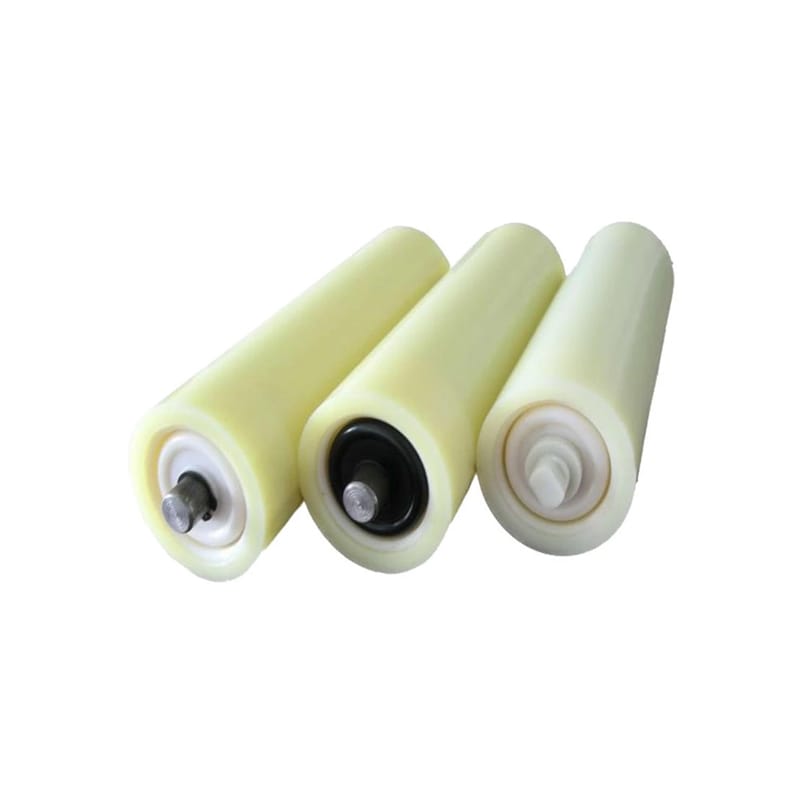
উপাদান পছন্দ সরাসরি স্থায়িত্ব, কার্যকারিতা, এবং খরচ প্রভাবিত করে। সাধারণ বিকল্প অন্তর্ভুক্ত:
- ABS: টেকসই, প্রভাব-প্রতিরোধী, হাউজিং এবং ঘেরের জন্য আদর্শ।.
- নাইলন: উচ্চ শক্তি এবং পরিধান প্রতিরোধের, যান্ত্রিক অংশ জন্য উপযুক্ত।.
- POM (Polyoxymethylene): চমৎকার মাত্রিক স্থিতিশীলতা, প্রায়ই গিয়ার এবং চলমান অংশগুলির জন্য ব্যবহৃত হয়।.
- পলিকার্বোনেট: শক্তিশালী, স্বচ্ছ এবং তাপ-প্রতিরোধী, প্রতিরক্ষামূলক উপাদানগুলিতে ব্যবহৃত হয়।.
সঠিক উপাদান নির্বাচন করার জন্য উপাদানটির অপারেটিং পরিবেশ, যান্ত্রিক লোড এবং প্রয়োজনীয় জীবনকালের যত্ন সহকারে বিবেচনা করা প্রয়োজন। একটি নির্ভরযোগ্য প্রস্তুতকারক কর্মক্ষমতা চাহিদা এবং শিল্প মান উভয়ের উপর ভিত্তি করে নির্দেশিকা প্রদান করবে।.
কাস্টম প্লাস্টিক উপাদানের উপর নির্ভরশীল শিল্প
কাস্টম প্লাস্টিকের উপাদানগুলি বিভিন্ন সেক্টরের অবিচ্ছেদ্য অংশ:
- মোটরগাড়ি: অভ্যন্তরীণ, বাহ্যিক এবং ইঞ্জিন সিস্টেমের জন্য উপাদান।.
- চিকিৎসা: নির্ভুল অংশ যা কঠোর স্বাস্থ্যবিধি এবং নিরাপত্তা মান পূরণ করে।.
- ইলেকট্রনিক্স: হাউজিং, সংযোগকারী, এবং নিরোধক উপকরণ।.
- শিল্প যন্ত্রপাতি: কাঠামোগত অখণ্ডতা এবং কার্যকারিতা সমর্থন করে এমন উপাদান।.
- নির্মাণ সরঞ্জাম: ভারী-শুল্ক অ্যাপ্লিকেশনের জন্য ডিজাইন করা টেকসই অংশ।.
এই শিল্পগুলির জন্য এমন উপাদানগুলির প্রয়োজন যা কঠোর পরিস্থিতিতে সামঞ্জস্যপূর্ণ গুণমান বজায় রাখে, উত্পাদন দক্ষতার গুরুত্ব তুলে ধরে।.
কিভাবে একটি নির্ভরযোগ্য কাস্টম প্লাস্টিক উপাদান প্রস্তুতকারকের মূল্যায়ন
সঠিক অংশীদার নির্বাচন করার জন্য বিভিন্ন কারণের যত্নশীল মূল্যায়ন প্রয়োজন:
- সার্টিফিকেশন: ISO এবং অন্যান্য মানের মান বিশ্বব্যাপী সর্বোত্তম অনুশীলনের আনুগত্য নির্দেশ করে।.
- উৎপাদন ক্ষমতা: প্রস্তুতকারক দক্ষতার সাথে ভলিউম প্রয়োজনীয়তা পূরণ করতে পারে তা নিশ্চিত করে।.
- ইঞ্জিনিয়ারিং সাপোর্ট: নকশা এবং উপাদান নির্বাচন অপ্টিমাইজ করার ক্ষমতা পণ্য কর্মক্ষমতা উন্নত করতে পারে।.
- মান নিয়ন্ত্রণ: শক্তিশালী পরিদর্শন প্রোটোকল ধারাবাহিকতা এবং নির্ভরযোগ্যতার গ্যারান্টি দেয়।.
- ডেলিভারি নির্ভরযোগ্যতা: স্থিতিশীল সরবরাহ চেইন এবং সময়মত বিতরণ প্রকল্প পরিকল্পনার জন্য গুরুত্বপূর্ণ।.
শক্তিশালী প্রযুক্তিগত দক্ষতা এবং স্বচ্ছ প্রক্রিয়া সহ একটি প্রস্তুতকারক ঝুঁকি হ্রাস করে এবং একটি মসৃণ সহযোগিতা নিশ্চিত করে।.
খরচ ফ্যাক্টর মধ্যে কাস্টম প্লাস্টিক উপাদান উৎপাদন
নির্দিষ্ট মূল্য এড়ানোর সময়, উৎপাদন খরচকে প্রভাবিত করে এমন কারণগুলি বোঝা গুরুত্বপূর্ণ:
- ছাঁচ ডিজাইন এবং টুলিং জটিলতা: আরও জটিল ডিজাইনের জন্য উন্নত টুলিং প্রয়োজন।.
- উপাদান নির্বাচন: বিভিন্ন প্লাস্টিকের উৎপাদন এবং পরিচালনার খরচ আলাদা।.
- ব্যাচের আকার: ছোট ব্যাচগুলি প্রায়ই উচ্চ-ভলিউম উত্পাদনের চেয়ে ইউনিট প্রতি বেশি খরচ করে।.
- নকশা জটিলতা: পাতলা দেয়াল, জটিল জ্যামিতি বা আঁটসাঁট সহনশীলতার মতো বৈশিষ্ট্যগুলি উত্পাদন প্রচেষ্টা বাড়াতে পারে।.
নকশা এবং উত্পাদনের জন্য একটি কৌশলগত পদ্ধতি গুণমানের সাথে আপস না করেই খরচ অপ্টিমাইজ করতে পারে।.
কাস্টম প্লাস্টিকের অংশগুলিতে এড়ানোর জন্য সাধারণ ডিজাইনের ভুল
এমনকি ছোটখাটো ডিজাইনের ত্রুটি কর্মক্ষমতার সাথে আপস করতে পারে বা উৎপাদন চ্যালেঞ্জ বাড়াতে পারে:
- অসামঞ্জস্যপূর্ণ প্রাচীর বেধ warping হতে পারে।.
- দুর্বল ছাঁচ নকশা ত্রুটি বা দুর্বল দাগ হতে পারে।.
- ভুল উপাদান নির্বাচন স্থায়িত্ব কমাতে পারে।.
- সহনশীলতার বৈশিষ্ট্য উপেক্ষা করা সমাবেশ এবং কার্যকারিতাকে প্রভাবিত করে।.
- সমাবেশ বা ইন্টিগ্রেশন প্রয়োজনীয়তা উপেক্ষা করা ডাউনস্ট্রিম সমস্যা তৈরি করে।.
একজন অভিজ্ঞ প্রস্তুতকারকের সাথে ঘনিষ্ঠভাবে কাজ করা এই সাধারণ ত্রুটিগুলি প্রতিরোধ করতে সহায়তা করে এবং নিশ্চিত করে যে পণ্যটি উদ্দেশ্যমূলক কর্মক্ষমতা মানদণ্ড পূরণ করে।.
কাস্টম প্লাস্টিক উপাদানের জন্য গুণমান নিয়ন্ত্রণ এবং পরীক্ষার মান
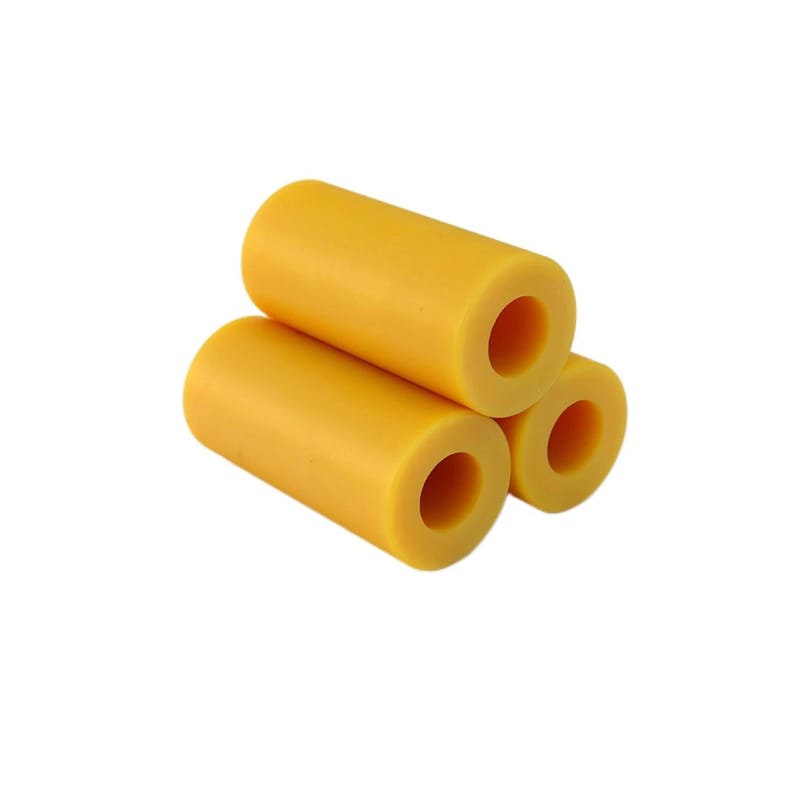
নির্ভরযোগ্য নির্মাতারা কঠোর মান নিয়ন্ত্রণ প্রক্রিয়া বাস্তবায়ন করে:
- মাত্রিক পরিদর্শন নিশ্চিত করে যে অংশগুলি ডিজাইনের বৈশিষ্ট্যগুলি পূরণ করে।.
- উপাদান পরীক্ষা শক্তি, স্থায়িত্ব, এবং রাসায়নিক প্রতিরোধের বৈধতা দেয়।.
- সারফেস ফিনিস মূল্যায়ন নান্দনিক এবং কার্যকরী প্রয়োজনীয়তা নিশ্চিত করে।.
- ব্যাচ সামঞ্জস্য পর্যবেক্ষণ উত্পাদন রান জুড়ে অভিন্নতা বজায় রাখে।.
- শিল্প মানগুলির সাথে সম্মতি বিশেষ অ্যাপ্লিকেশনগুলির জন্য নিরাপত্তা এবং নির্ভরযোগ্যতার গ্যারান্টি দেয়।.
এই অনুশীলনগুলি আপনার প্রকল্পকে ব্যর্থতা থেকে রক্ষা করে, বর্জ্য হ্রাস করে এবং সামগ্রিক পণ্যের কার্যকারিতা বাড়ায়।.
একজন প্রস্তুতকারকের সাথে সরাসরি কাজ করার সুবিধা
একটি প্রস্তুতকারকের সাথে সরাসরি সহযোগিতা উল্লেখযোগ্য সুবিধা প্রদান করে:
- ডিজাইন অপ্টিমাইজেশানের জন্য ইঞ্জিনিয়ারিং দক্ষতার অ্যাক্সেস।.
- দ্রুত পরিবর্তনের সময় এবং সমন্বয়ের জন্য নমনীয়তা।.
- গুণমান এবং উত্পাদন মান উপর উন্নত নিয়ন্ত্রণ।.
- সম্পূর্ণ কাস্টমাইজড সমাধানের জন্য OEM/ODM ক্ষমতা।.
- দীর্ঘমেয়াদী অংশীদারিত্ব এবং সরবরাহ চেইন স্থিতিশীলতা।.
একজন অভিজ্ঞ প্রস্তুতকারকের সাথে অংশীদারিত্ব নিশ্চিত করে যে আপনার প্রকল্পটি দক্ষতার সাথে সম্পাদিত হয়েছে এবং সর্বোচ্চ মান পূরণ করে।.
কাস্টম প্লাস্টিক উপাদান উত্পাদন ভবিষ্যত প্রবণতা
ক্ষেত্রটি দ্রুত বিকশিত হচ্ছে, বেশ কয়েকটি মূল প্রবণতা ভবিষ্যতকে রূপ দিচ্ছে:
- লাইটওয়েট ইঞ্জিনিয়ারিং: শক্তির সাথে আপস না করে ওজন কমানো।.
- টেকসই উপকরণ: পুনর্ব্যবহারযোগ্য এবং পরিবেশ বান্ধব প্লাস্টিকের ব্যবহার বৃদ্ধি।.
- অটোমেশন এবং স্মার্ট উত্পাদন: উন্নত রোবোটিক্স এবং ডেটা-চালিত উত্পাদন দক্ষতা উন্নত করে।.
- উচ্চ-নির্ভুলতা মাইক্রো ছাঁচনির্মাণ: বিশেষ অ্যাপ্লিকেশনের জন্য ছোট, আরও জটিল উপাদান সক্ষম করা।.
- শিল্প 4.0 ইন্টিগ্রেশন: ডিজিটাল পর্যবেক্ষণ এবং ভবিষ্যদ্বাণীমূলক রক্ষণাবেক্ষণ উত্পাদন প্রক্রিয়াগুলিকে অপ্টিমাইজ করে।.
এই প্রবণতাগুলির থেকে এগিয়ে থাকা নির্মাতাদের উদ্ভাবনী সমাধান প্রদান করতে সহায়তা করে যা শিল্পের চাহিদার সাথে সারিবদ্ধ।.
কেন আপনার হিসাবে আমাদের চয়ন করুন কাস্টম প্লাস্টিক উপাদান অংশীদার
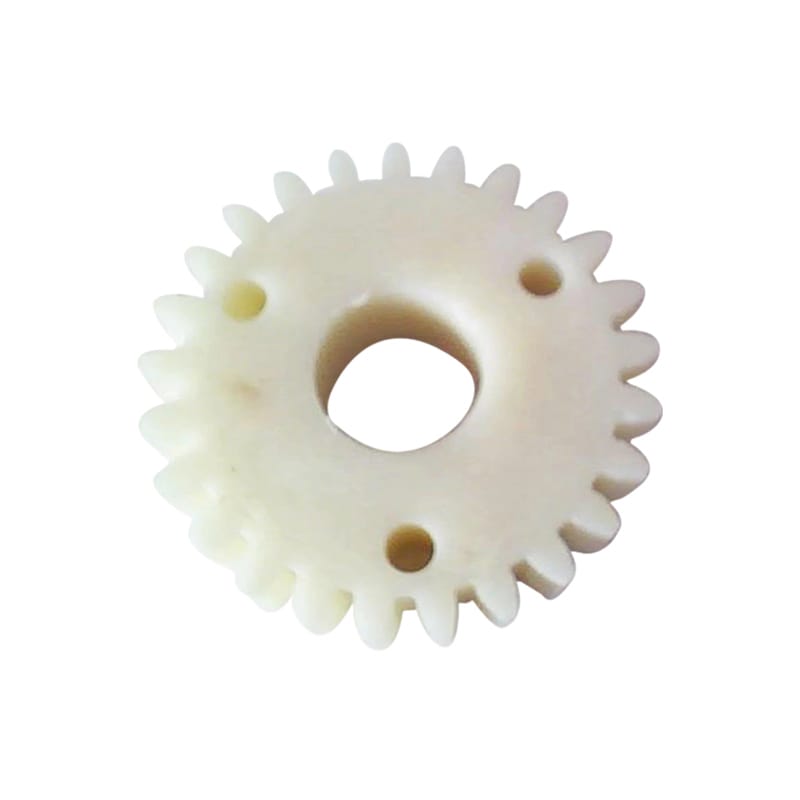
একটি উত্সর্গীকৃত প্রস্তুতকারক হিসাবে, আমরা অফার করি:
- বিভিন্ন শিল্পের জন্য ব্যাপক উত্পাদন ক্ষমতা।.
- নকশা এবং উপাদান নির্বাচনের জন্য সম্পূর্ণ প্রকৌশল সমর্থন।.
- গুণমানের নিশ্চয়তার সাথে প্রমাণিত OEM/ODM অভিজ্ঞতা।.
- কঠোর মান নিয়ন্ত্রণ এবং আন্তর্জাতিক মানের প্রতিশ্রুতি।.
- নির্ভরযোগ্য বিশ্বব্যাপী সরবরাহ এবং প্রকল্প পরিচালনার দক্ষতা।.
আমাদের ফোকাস ক্লায়েন্টদের উচ্চ-মানের, নির্ভুল-ইঞ্জিনিয়ারযুক্ত প্লাস্টিক উপাদান সরবরাহ করার উপর যা প্রকল্পের সাফল্যকে সমর্থন করার সময় সঠিক বৈশিষ্ট্যগুলি পূরণ করে।.
উপসংহার
কাস্টম প্লাস্টিকের উপাদানগুলি কেবলমাত্র অংশগুলির চেয়ে বেশি নয় যেগুলি একাধিক শিল্প জুড়ে উদ্ভাবন, নির্ভুলতা এবং নির্ভরযোগ্যতার অপরিহার্য সক্ষমকারী। সঠিক উত্পাদন অংশীদার নির্বাচন সরাসরি পণ্যের কার্যকারিতা, কর্মক্ষম দক্ষতা এবং সরবরাহ চেইন স্থায়িত্বকে প্রভাবিত করে।.
প্রযুক্তিগত দক্ষতা, কঠোর মান নিয়ন্ত্রণ এবং নমনীয় কাস্টমাইজেশন অফার করে এমন একটি প্রস্তুতকারকের সাথে কাজ করে, কোম্পানিগুলি তাদের প্রকল্পগুলি সর্বোত্তম ফলাফল অর্জন নিশ্চিত করতে পারে। কাস্টম জন্য একটি নির্ভরযোগ্য অংশীদার বিনিয়োগ প্লাস্টিক উপাদান একটি কৌশলগত সিদ্ধান্ত যা দীর্ঘমেয়াদী সাফল্য এবং শিল্প প্রতিযোগিতা সমর্থন করে।.
FAQ
কাস্টম প্লাস্টিকের উপাদান কি জন্য ব্যবহার করা হয়?
কাস্টম প্লাস্টিকের উপাদানগুলি স্বয়ংচালিত, চিকিৎসা, ইলেকট্রনিক্স এবং শিল্প যন্ত্রপাতির মতো শিল্প জুড়ে ব্যবহৃত হয়। তারা কাঠামোগত, কার্যকরী এবং প্রতিরক্ষামূলক অ্যাপ্লিকেশনের জন্য উপযুক্ত সমাধান প্রদান করে।.
আমি কিভাবে কাস্টম প্লাস্টিকের উপাদানগুলির জন্য সঠিক প্রস্তুতকারক নির্বাচন করব?
ISO সার্টিফিকেশন, প্রকৌশল সহায়তা, মান নিয়ন্ত্রণ প্রক্রিয়া, নমনীয় উত্পাদন ক্ষমতা এবং আপনার শিল্পের নির্দিষ্ট প্রয়োজনীয়তার অভিজ্ঞতা সহ একটি প্রস্তুতকারকের সন্ধান করুন।.
কাস্টম জন্য সাধারণত কি উপকরণ ব্যবহার করা হয় প্লাস্টিক উপাদান?
সাধারণ উপকরণগুলির মধ্যে রয়েছে ABS, নাইলন, POM এবং পলিকার্বোনেট, প্রতিটি স্থায়িত্ব, শক্তি, তাপ প্রতিরোধের এবং প্রয়োগের প্রয়োজনের উপর ভিত্তি করে বেছে নেওয়া হয়েছে।.
কাস্টম প্লাস্টিকের উপাদানগুলির জন্য কোন উত্পাদন প্রক্রিয়াগুলি উপলব্ধ?
জনপ্রিয় পদ্ধতিগুলির মধ্যে রয়েছে উচ্চ-ভলিউম উত্পাদনের জন্য ইনজেকশন ছাঁচনির্মাণ, নির্ভুল অংশগুলির জন্য সিএনসি মেশিনিং এবং দ্রুত প্রোটোটাইপিং এবং নকশা যাচাইকরণের জন্য 3D প্রিন্টিং।.
আমি কিভাবে কাস্টম প্লাস্টিকের উপাদান নকশা সমস্যা এড়াতে পারি?
সঠিক উপাদান নির্বাচন, প্রাচীর বেধ, ছাঁচ নকশা, সহনশীলতা, এবং উপাদান একীকরণ, ত্রুটি এবং কার্যকরী সমস্যা প্রতিরোধ নিশ্চিত করতে একজন অভিজ্ঞ প্রস্তুতকারকের সাথে সহযোগিতা করুন।.