Looking for stable-quality nylon components for your machinery or industrial system?
Whether you need standard parts or fully customized OEM solutions, we support production based on your drawings, technical requirements, and application environment.
Share your specifications with us, and our engineering team will help you evaluate materials, optimize design, and recommend the most suitable manufacturing approach for your project.
Get in touch today to discuss your nylon components requirements and receive a tailored solution for your application.
Table of Contents
Introduction
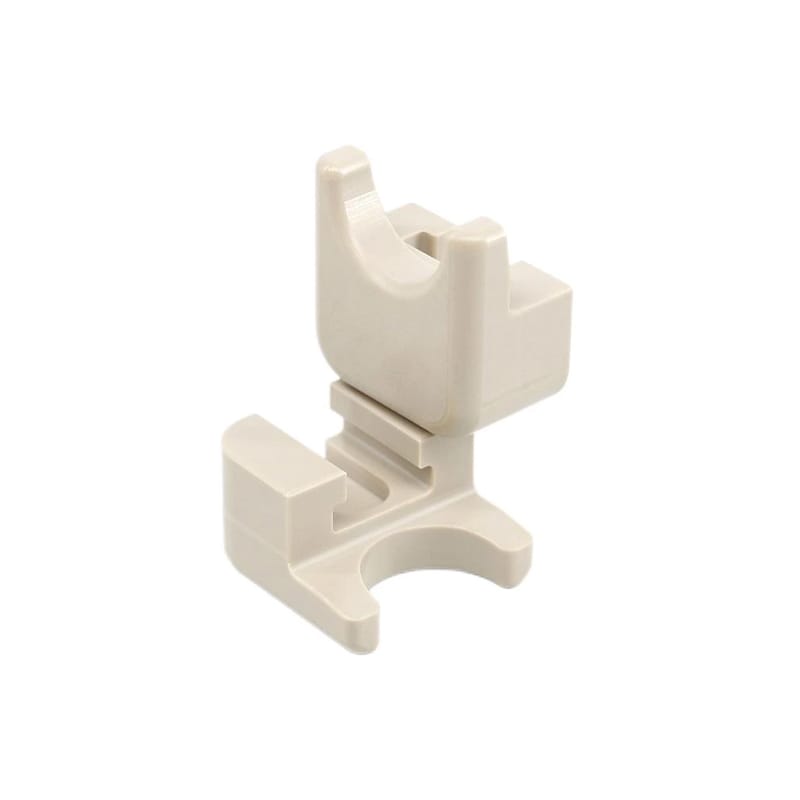
Nylon components are essential in modern industrial applications due to their lightweight, durability, and resistance to wear and chemicals. From bushings and gears to bearings and spacers, these parts serve critical roles in machinery, automation systems, and equipment across industries. Choosing the right nylon component can significantly influence the performance and lifespan of industrial equipment.
Understanding how to evaluate and select a reliable manufacturer ensures consistent quality, reduces maintenance issues, and enhances operational efficiency. This guide explores practical insights for identifying trustworthy suppliers and maximizing the benefits of nylon component in your projects.
Types of Nylon Components and Their Uses
Industrial operations require a wide range of nylon components, each tailored to specific mechanical demands:
- Standard Nylon Parts: These include washers, spacers, and bushings commonly used in general machinery. They provide smooth operation, reduce friction, and prevent metal-to-metal contact.
- Custom Nylon Components: For applications with unique specifications, custom manufacturing ensures components fit precise tolerances and performance requirements. This is critical in automation, robotics, and precision equipment.
- High-Performance Nylon Components: Designed for heavy-duty or high-temperature applications, these components offer superior strength, chemical resistance, and dimensional stability, extending equipment longevity.
Material Properties That Define Quality
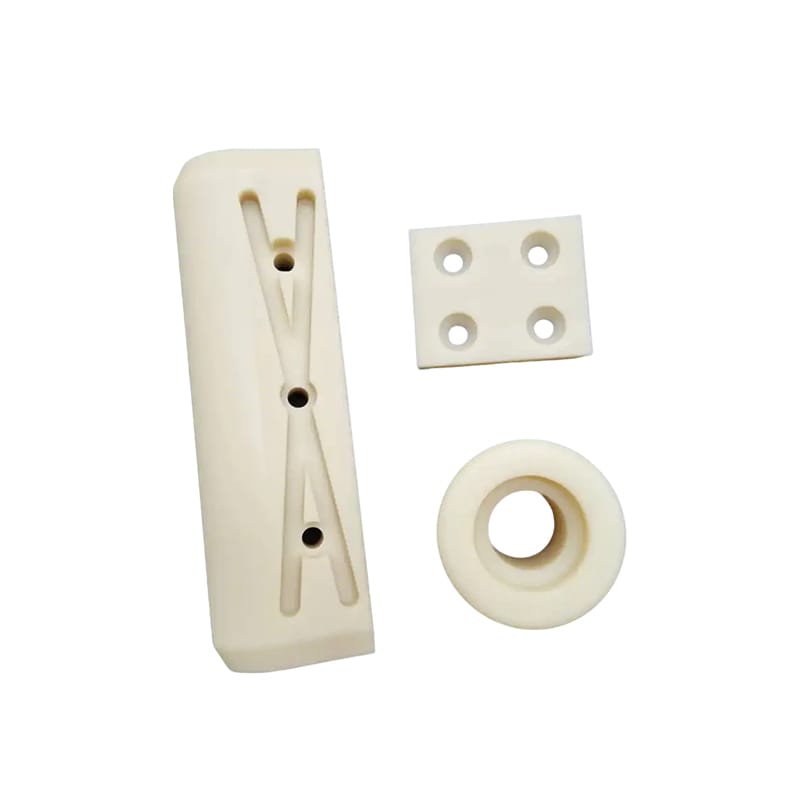
When sourcing nylon components, understanding the material properties is essential:
- Mechanical Strength and Wear Resistance: High-quality nylon components maintain performance under load and resist wear over extended use.
- Temperature and Chemical Resistance: Certain industrial applications expose parts to heat, oils, or chemicals. Selecting the right grade of nylon ensures durability and safety.
- Dimensional Stability: Accurate manufacturing prevents deformation, which is crucial for components like gears, bearings, and rollers.
Evaluating these properties allows businesses to match components with operational demands effectively.
How to Identify a Reliable Nylon Component Manufacturer
Partnering with a dependable supplier guarantees consistent quality and technical support. Key considerations include:
- Manufacturing Capabilities and Technical Expertise: Suppliers with advanced machinery and engineering teams can produce components that meet stringent tolerances.
- Quality Certifications and Standards Compliance: Certifications such as ISO 9001 or industry-specific standards reflect a commitment to manufacturing excellence and reliability.
- Reputation and Industry Experience: Reviews, client testimonials, and years of experience provide insights into a supplier’s reliability and service quality.
Reliable manufacturers also offer transparency in production processes, enabling clients to verify material sourcing and quality control practices.
Advantages of Working Directly with Manufacturers
Direct collaboration with a manufacturer provides distinct advantages:
- Customization and OEM Capabilities: Manufacturers can produce tailor-made components suited to unique machinery or applications.
- Faster Lead Times and Consistent Supply: Avoid delays often associated with third-party distributors.
- Enhanced Cost Efficiency: Reducing intermediaries helps streamline procurement while maintaining quality standards.
By establishing a direct partnership, companies gain access to technical support, improved flexibility, and long-term supply stability.
Key Considerations Before Ordering Nylon Components
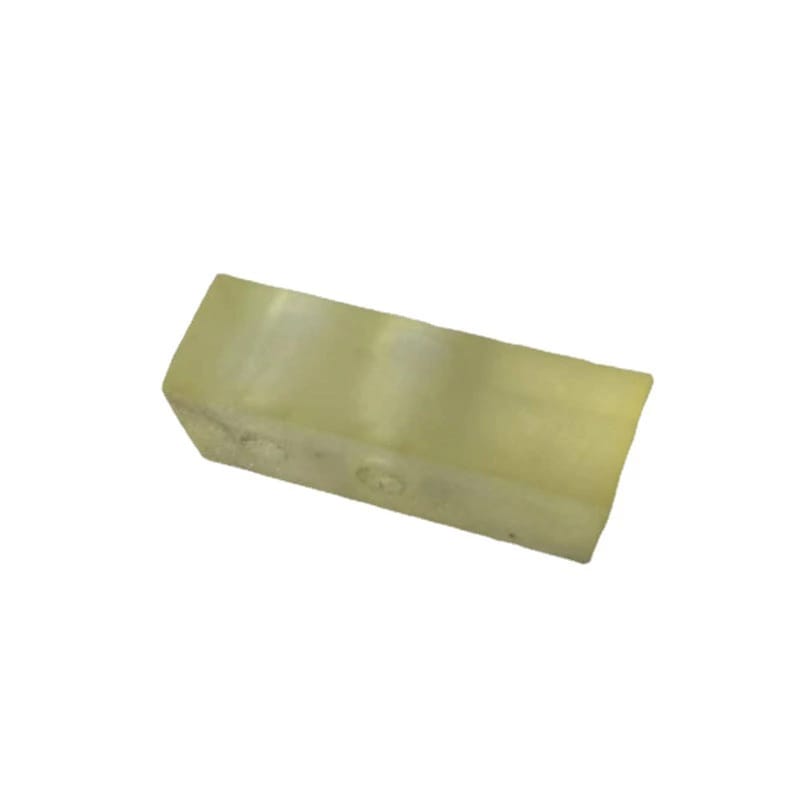
Before placing an order, it is essential to align component specifications with application needs:
- Application Requirements: Evaluate load-bearing capacity, rotational speed, and environmental exposure.
- Material Grades and Mechanical Properties: Ensure the chosen nylon grade meets required wear resistance, heat tolerance, and chemical compatibility.
- Order Volume and Delivery Logistics: Consider batch sizes, packaging standards, and shipping timelines to maintain uninterrupted production.
This careful planning minimizes operational risks and prevents unnecessary downtime.
Common Mistakes to Avoid When Selecting Nylon Component
Selecting the wrong supplier or components can lead to increased maintenance costs and reduced equipment lifespan. Avoid these pitfalls:
- Prioritizing Cost Over Quality: Cheap suppliers may compromise material integrity and precision.
- Ignoring Material Specifications: Inadequate attention to grade and properties can result in premature wear or failure.
- Overlooking Long-Term Maintenance Needs: Consider the ease of replacement, compatibility, and durability for sustained operations.
Proactively addressing these issues ensures the selection of components that deliver long-term reliability.
Applications of Nylon Components Across Industries
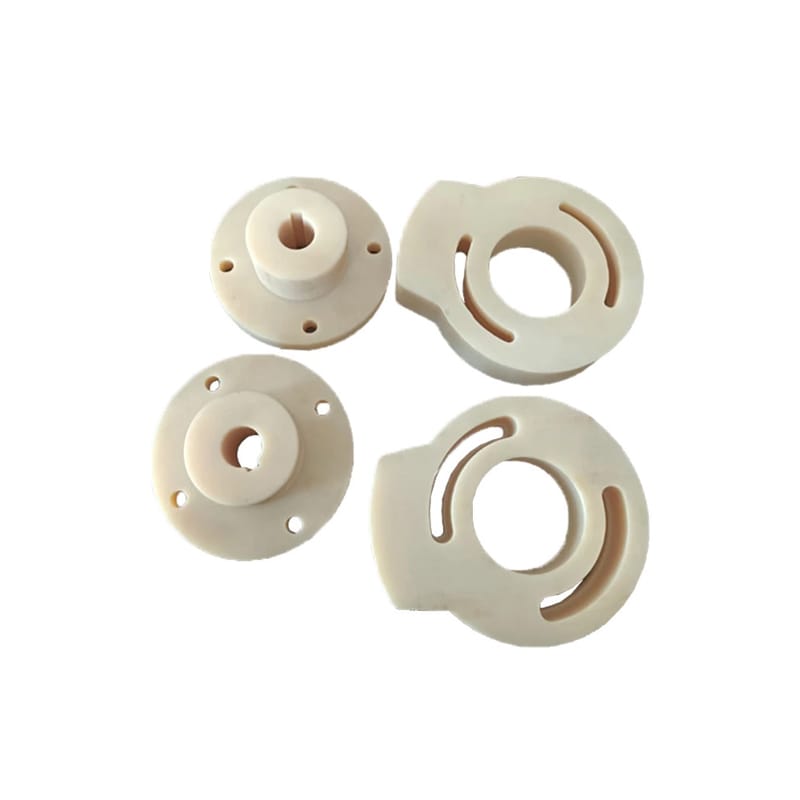
Nylon components are highly versatile and find applications across multiple sectors:
- Automotive and Machinery: Used in gears, bushings, and bearings to reduce friction and noise while improving efficiency.
- Electrical and Electronics Equipment: Serve as insulating components and spacers, ensuring safety and performance.
- Conveyor Systems, Automation, and Robotics: Custom nylon components reduce wear, support precision movement, and maintain operational stability.
- Agricultural and Construction Equipment: Resistant to environmental exposure, these parts extend equipment longevity in harsh conditions.
Understanding industry-specific applications allows businesses to select components that maximize efficiency and reliability.
Conclusion
Identifying a reliable nylon components manufacturer is critical for achieving operational excellence and long-term success. By understanding material properties, evaluating manufacturing capabilities, and working directly with trusted suppliers, businesses can secure high-quality, durable components that meet exacting industrial standards.
Partnering with the right manufacturer also opens opportunities for customization, technical support, and improved supply chain efficiency. For companies seeking robust nylon components tailored to their machinery or specialized applications, engaging directly with experienced suppliers ensures optimal performance, durability, and peace of mind.
FAQ
Q1: What are nylon components used for in industrial applications?
A1: Nylon components are widely used in machinery, automation, robotics, and equipment to reduce friction, improve durability, and support precise operations.
Q2: How can I identify a reliable nylon components manufacturer?
A2: Look for manufacturers with quality certifications, proven industry experience, advanced production capabilities, and positive client reviews.
Q3: What types of nylon component are available?
A3: Common types include standard washers, bushings, and spacers, high-performance components for heavy-duty use, and custom nylon component tailored to specific industrial needs.
Q4: Why should I consider custom nylon components?
A4: Custom components ensure precise fit, optimal performance, and durability for unique machinery or specialized applications.
Q5: What factors should I check before ordering nylon components?
A5: Assess operational requirements, material grade, mechanical properties, and volume needs to ensure components meet performance and reliability standards.