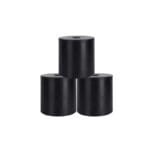
যখন এটি নির্ভুল উপাদান উত্পাদন আসে, প্রথা ইনজেকশন ঢালাই পণ্য তারা আর শুধু একটি বিকল্প নয়, তারা একটি প্রয়োজনীয়তা। তারা ইলেকট্রনিক্স থেকে মেডিকেল ডিভাইস পর্যন্ত শিল্প জুড়ে নমনীয়তা, নির্ভরযোগ্যতা এবং ধারাবাহিকতা প্রদান করে। কিন্তু কর্মক্ষমতা প্রকৃত পার্থক্য প্রায়ই নিচে আসে আপনি কার সাথে কাজ করেন. । একটি বিশ্বস্ত OEM সরবরাহকারী খোঁজা আপনার প্রকল্প তৈরি বা ভাঙতে পারে, তা একটি ছোট প্রোটোটাইপ হোক বা একটি বড় আকারের উত্পাদন চালানো হোক।.
বিষয়বস্তুর সারণী
কেন কাস্টম ইনজেকশন ঢালাই পণ্য ব্যাপার
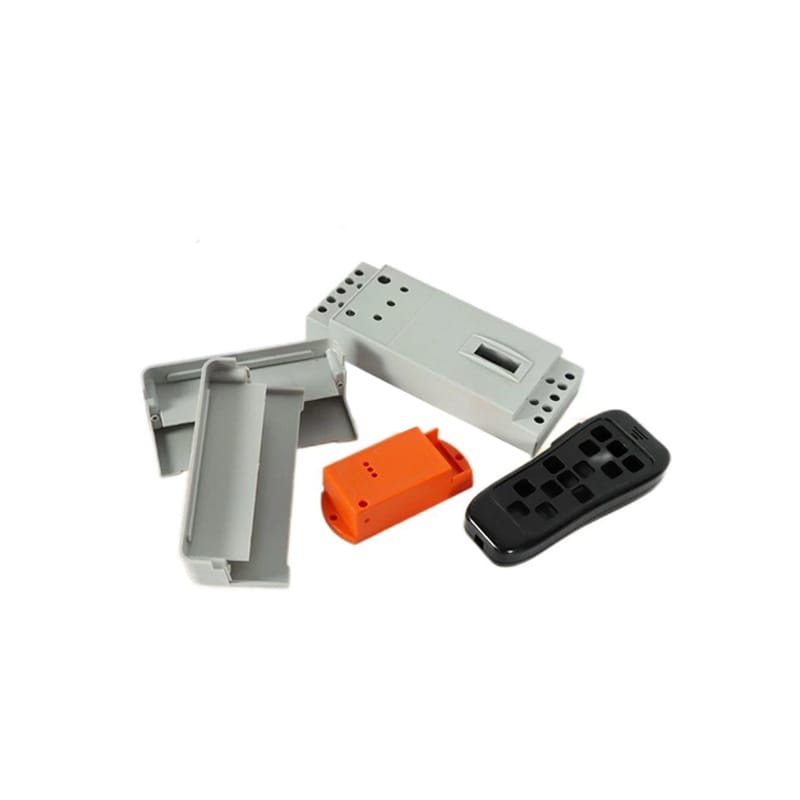
কাস্টম ইনজেকশন ছাঁচনির্মাণ ব্যবসাগুলিকে এমন পণ্য ডিজাইন করতে দেয় যা পূরণ করে সঠিক স্পেসিফিকেশন, দক্ষতা উন্নত করা এবং সমাবেশে ত্রুটি হ্রাস করা। স্ট্যান্ডার্ড উপাদানগুলির বিপরীতে, এই অংশগুলি উপাদানের ধরন, আকৃতি, সহনশীলতা এবং এমনকি পৃষ্ঠের ফিনিশের জন্য তৈরি করা যেতে পারে। এই অভিযোজনযোগ্যতা শিল্পের জন্য গুরুত্বপূর্ণ যেখানে নির্ভুলতা, স্থায়িত্ব এবং পুনরাবৃত্তিযোগ্যতা অ-আলোচনাযোগ্য।.
আধুনিক উত্পাদন শুধুমাত্র উচ্চ ভলিউম উত্পাদন চেয়ে বেশি দাবি করে। এটি বুঝতে পারে এমন একজন অংশীদার প্রয়োজন ডিজাইন-ফর-উৎপাদন নীতি, উপাদান পছন্দ অপ্টিমাইজ করতে পারে, এবং মানের মান বজায় রাখার জন্য উত্পাদন স্ট্রীমলাইন করতে পারে।.
ইনজেকশন ছাঁচনির্মাণ প্রক্রিয়া ভাঙ্গা
এর মূল বিষয়গুলি বোঝা ইনজেকশন ছাঁচনির্মাণ সরবরাহকারীদের সাথে ব্যবসাগুলিকে স্পষ্টভাবে যোগাযোগ করতে সহায়তা করে। এখানে কি এটা যায়:
- উপাদান প্রস্তুতি: থার্মোপ্লাস্টিক বা ইঞ্জিনিয়ারিং প্লাস্টিকগুলিকে উত্তপ্ত করা হয় যতক্ষণ না তারা তরল হয়ে যায় এবং ছাঁচনির্মাণের জন্য প্রস্তুত হয়।.
- ছাঁচ নির্ভুলতা: ছাঁচটি চূড়ান্ত পণ্যের আকৃতি, পৃষ্ঠের ফিনিস এবং মাত্রিক নির্ভুলতা নির্দেশ করে।.
- ইনজেকশন এবং কুলিং: গলিত উপাদান চাপের মধ্যে ইনজেকশন করা হয়, দ্রুত ঠান্ডা করা হয় এবং সাবধানে ছাঁচ থেকে বের করে দেওয়া হয়।.
মৌলিক বিষয়ের বাইরে, উদ্ভাবনী OEM গুলি এর মতো কৌশল ব্যবহার করে মাল্টি-ক্যাভিটি মোল্ড, গ্যাস-সহায়ক ইনজেকশন এবং ইন-মোল্ড অ্যাসেম্বলি, জটিল ডিজাইনগুলিকে দক্ষতার সাথে উত্পাদিত করার অনুমতি দেয়।.
একজন প্রস্তুতকারকের সাথে সরাসরি কাজ করার সুবিধা
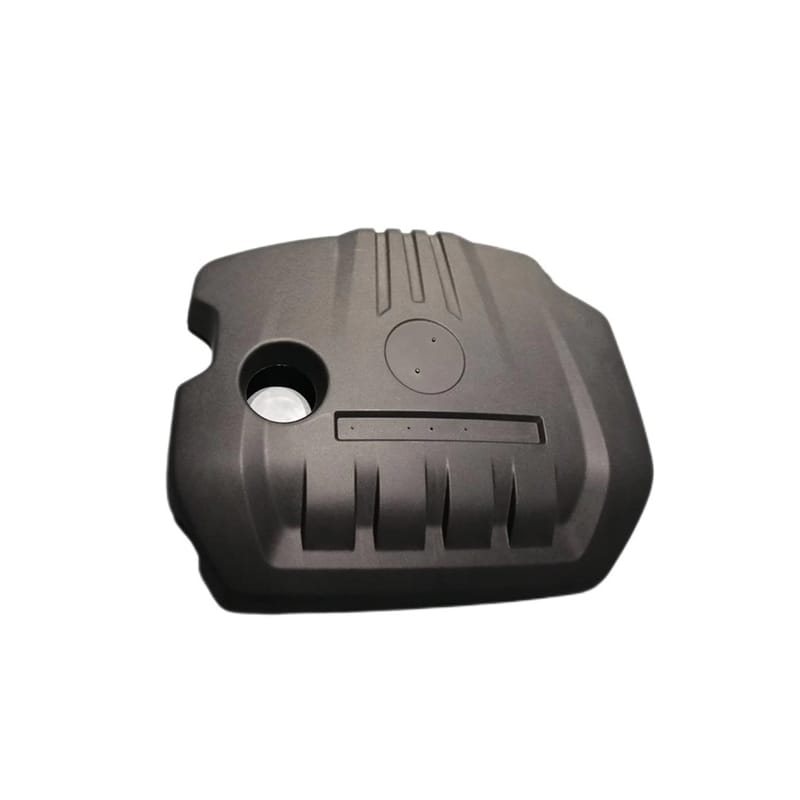
একটি সরাসরি সঙ্গে সহযোগিতা OEM সরবরাহকারী বাস্তব সুবিধা নিয়ে আসে:
- সুবিন্যস্ত যোগাযোগ: ইঞ্জিনিয়ারদের সাথে সরাসরি যোগাযোগ নিশ্চিত করে যে আপনার স্পেসিফিকেশন বোঝা যাচ্ছে।.
- চটপটে উত্পাদন: দ্রুত প্রোটোটাইপিং থেকে পূর্ণ-স্কেল উত্পাদন পর্যন্ত, একটি নির্ভরযোগ্য সরবরাহকারী আপনার টাইমলাইনের সাথে খাপ খায়।.
- উন্নত গুণমান: প্রতিটি পর্যায়ে অভ্যন্তরীণ মান নিয়ন্ত্রণ অংশ জুড়ে ধারাবাহিকতার গ্যারান্টি দেয়।.
স্বাস্থ্যসেবা বা স্বয়ংচালিত শিল্পের মতো উচ্চ-স্টেকের শিল্পগুলির জন্য বিশেষ উপাদানগুলিতে কাজ করার সময় এটি বিশেষভাবে গুরুত্বপূর্ণ।.
একটি OEM সরবরাহকারী নির্বাচন করার জন্য মূল বিবেচনা
সঠিক অংশীদার নির্বাচন করা শুধুমাত্র সক্ষমতা সম্পর্কে নয় সামঞ্জস্য এবং বিশ্বাস. এই পয়েন্টগুলি বিবেচনা করুন:
- অভিজ্ঞতা এবং দক্ষতা: সরবরাহকারী কি আপনার অনুরূপ পণ্যগুলির সাথে কাজ করেছে?
- সুবিধা এবং ক্ষমতা: তারা কি আপনার প্রয়োজনীয় ভলিউম এবং ভবিষ্যতের বৃদ্ধি পরিচালনা করতে পারে?
- সার্টিফিকেশন এবং সম্মতি: ISO এবং অন্যান্য সার্টিফিকেশন কাঠামোগত মান ব্যবস্থাপনা নির্দেশ করে।.
- সমর্থন এবং স্বচ্ছতা: একজন সরবরাহকারী যিনি স্পষ্টভাবে যোগাযোগ করেন ঝুঁকি এবং অপ্রত্যাশিত বিলম্ব হ্রাস করে।.
একটি পুঙ্খানুপুঙ্খ মূল্যায়ন নিশ্চিত করে যে আপনার প্রকল্পটি ধারণা থেকে উৎপাদনে মসৃণভাবে চলে।.
কাস্টমাইজেশন বিকল্প অন্বেষণ
কাস্টমাইজেশন কি সেট ইনজেকশন ঢালাই পণ্য বাদে। আপনার সরবরাহকারী প্রদান করা উচিত:
- উপাদান পছন্দ: বিকল্পগুলি নমনীয় প্লাস্টিক থেকে ইঞ্জিনিয়ারিং-গ্রেড পলিমার পর্যন্ত।.
- নকশা নমনীয়তা: কার্যকরী বা নান্দনিক উদ্দেশ্যে আকার, প্রাচীর বেধ, বা সহনশীলতা সামঞ্জস্য করুন।.
- সারফেস শেষ: ম্যাট, চকচকে, টেক্সচারযুক্ত, বা নির্দিষ্ট অ্যাপ্লিকেশনের জন্য বিশেষ ফিনিস।.
- দ্রুত প্রোটোটাইপিং: ছোট ব্যাচে টেস্টিং ডিজাইন স্কেলিং করার আগে কর্মক্ষমতা পরিমার্জিত করতে সাহায্য করে।.
এই বিকল্পগুলি আপনাকে তৈরি করতে দেয় অত্যন্ত বিশেষায়িত, নির্ভরযোগ্য অংশ আপনার আবেদন অনুযায়ী।.
আপস ছাড়াই গুণমান বজায় রাখা
গুণমান অ-আলোচনাযোগ্য। এমনকি ছোটখাটো ত্রুটি অপারেশন ব্যাহত করতে পারে:
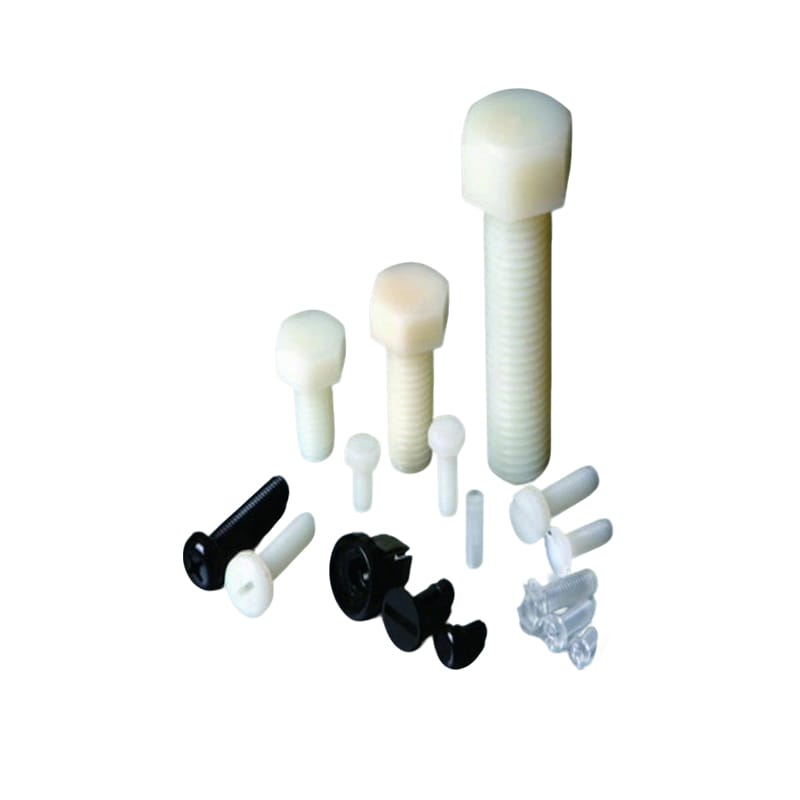
- সাধারণ সমস্যা: ওয়ার্পিং, সিঙ্ক চিহ্ন এবং পৃষ্ঠের অসম্পূর্ণতা সঠিক ছাঁচ ডিজাইনের সাথে প্রতিরোধযোগ্য।.
- পরীক্ষার পদ্ধতি: মাত্রিক যাচাইকরণ, স্ট্রেস টেস্টিং এবং স্থায়িত্ব পরীক্ষা নিশ্চিত করে যে প্রতিটি অংশ মান পূরণ করে।.
- ক্রমাগত উন্নতি: নেতৃস্থানীয় নির্মাতারা প্রতিক্রিয়া এবং প্রযুক্তিগত অগ্রগতির উপর ভিত্তি করে ক্রমাগত তাদের প্রক্রিয়াগুলি পরিমার্জন করে।.
একটি OEM এর সাথে অংশীদারিত্ব করে যা গুণমানকে অগ্রাধিকার দেয়, আপনি নিশ্চিত করেন যে আপনার পণ্যগুলি কার্যকরী, নিরাপদ এবং টেকসই।.
শিল্প জুড়ে অ্যাপ্লিকেশন
কাস্টম ইনজেকশন ঢালাই পণ্য সেক্টরের বিস্তৃত পরিসরে ব্যবহৃত হয়:
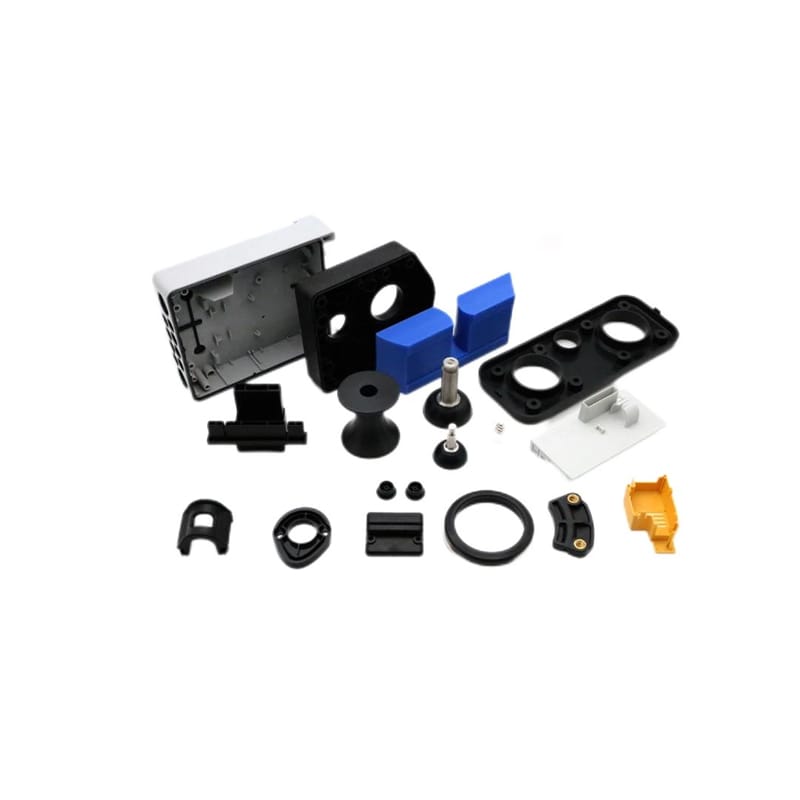
- ইলেকট্রনিক্স: হাউজিং, সংযোগকারী, এবং প্রতিরক্ষামূলক উপাদান।.
- মোটরগাড়ি: ক্লিপ, প্যানেল এবং অভ্যন্তরীণ জিনিসপত্রের জন্য নির্ভুলতা এবং স্থায়িত্ব প্রয়োজন।.
- চিকিৎসা যন্ত্র: জীবাণুমুক্ত উপাদান যা কঠোর সম্মতির মান পূরণ করে।.
- শিল্প সরঞ্জাম: ভারী-শুল্ক ব্যবহার এবং চাহিদাপূর্ণ শর্ত সহ্য করার জন্য ডিজাইন করা অংশ।.
ইনজেকশন ছাঁচনির্মাণের বহুমুখিতা এটি উভয়ের জন্য উপযুক্ত করে তোলে ছোট আকারের বিশেষ উপাদান এবং উচ্চ আয়তনের শিল্প উৎপাদন.
একটি শক্তিশালী OEM অংশীদারিত্ব গড়ে তোলা
একটি সফল সহযোগিতা শুধুমাত্র একটি লেনদেনের চেয়ে বেশি। বিবেচনা করুন:
- ওপেন কমিউনিকেশন: নকশা, পরীক্ষা, এবং উত্পাদন বিবরণ স্বচ্ছ রাখুন।.
- সহযোগিতামূলক উন্নয়ন: সরবরাহকারীকে তাড়াতাড়ি জড়িত করা উত্পাদনযোগ্যতা এবং অপ্টিমাইজেশন নিশ্চিত করে।.
- নির্ভরযোগ্যতা এবং সমর্থন: ধারাবাহিক বিতরণ এবং প্রতিক্রিয়াশীল পরিষেবা বিশ্বাস এবং দীর্ঘমেয়াদী সাফল্য তৈরি করে।.
শক্তিশালী অংশীদারিত্ব প্রায়শই উদ্ভাবন, দক্ষতা লাভ এবং মসৃণ উৎপাদন চক্রের দিকে পরিচালিত করে।.
উপসংহার
নির্বাচন a কাস্টম জন্য নির্ভরযোগ্য OEM সরবরাহকারী ইনজেকশন ঢালাই পণ্য নির্ভুলতা, গুণমান এবং নমনীয়তা একত্রিত করতে খুঁজছেন এমন যেকোনো ব্যবসার জন্য অপরিহার্য। উত্পাদন ক্ষমতা, সার্টিফিকেশন, কাস্টমাইজেশন বিকল্প এবং গুণমান নিশ্চিতকরণ অনুশীলনের মূল্যায়ন করে, আপনি নিশ্চিত করতে পারেন যে আপনার প্রকল্পটি ডিজাইন থেকে ডেলিভারি পর্যন্ত সফল হয়েছে।.
সঠিক OEM সরবরাহকারী খুঁজছেন? আমাদের সাথে সংযোগ করুন আজ আপনার উত্পাদন লক্ষ্যগুলির সাথে সারিবদ্ধ কাস্টম সমাধানগুলি অন্বেষণ করতে৷।.
FAQ
কাস্টম কি ইনজেকশন ঢালাই জন্য ব্যবহৃত পণ্য?
ইলেকট্রনিক্স, স্বয়ংচালিত, চিকিৎসা ডিভাইস এবং শিল্প সরঞ্জামের মতো শিল্পের জন্য নির্ভুল প্লাস্টিকের উপাদান তৈরি করতে এগুলি ব্যাপকভাবে ব্যবহৃত হয়, যেখানে ধারাবাহিকতা এবং স্থায়িত্ব প্রয়োজন।.
ইনজেকশন ছাঁচনির্মাণ প্রক্রিয়া কিভাবে কাজ করে?
প্রক্রিয়াটির মধ্যে রয়েছে প্লাস্টিক সামগ্রী গলানো, চাপে একটি নির্ভুল ছাঁচে ইনজেকশন দেওয়া, উপাদানটিকে ঠান্ডা করা এবং সমাপ্ত অংশটিকে পছন্দসই আকার এবং নির্দিষ্টকরণের সাথে বের করে দেওয়া।.
কেন আমি সরাসরি OEM সরবরাহকারীর সাথে কাজ করব?
একটি সরাসরি OEM সরবরাহকারী যোগাযোগের ত্রুটিগুলি কমাতে সাহায্য করে, উত্পাদন দক্ষতা উন্নত করে, আরও ভাল মান নিয়ন্ত্রণ নিশ্চিত করে এবং কাস্টমাইজেশন এবং উত্পাদন পরিকল্পনায় আরও নমনীয়তার অনুমতি দেয়।.
সরবরাহকারী নির্বাচন করার সময় আমার কোন বিষয়গুলো বিবেচনা করা উচিত?
মূল কারণগুলির মধ্যে রয়েছে উত্পাদন ক্ষমতা, শিল্পের অভিজ্ঞতা, মান নিয়ন্ত্রণ ব্যবস্থা, প্রকৌশল সহায়তা এবং কাস্টম ডিজাইনের প্রয়োজনীয়তাগুলি পরিচালনা করার ক্ষমতা।.
ইনজেকশন ঢালাই পণ্য সম্পূর্ণরূপে কাস্টমাইজ করা যাবে?
হ্যাঁ, এগুলি প্রয়োগের প্রয়োজনীয়তার উপর নির্ভর করে উপাদান নির্বাচন, মাত্রা, পৃষ্ঠের ফিনিস, সহনশীলতা এবং কাঠামোগত নকশার পরিপ্রেক্ষিতে কাস্টমাইজ করা যেতে পারে।.