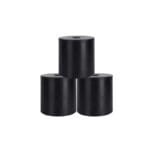
অনেক শিল্প সরঞ্জাম প্রকল্পের জন্য, সবচেয়ে ব্যয়বহুল ভুল ভুল মেশিন নির্বাচন না করা হয়। এটি একটি ছোট উপাদান নির্বাচন করছে যা খুব তাড়াতাড়ি ব্যর্থ হয়, সমাবেশের সময় ফিট হয় না বা পরবর্তী ব্যাচগুলিতে ধারাবাহিকভাবে পুনরাবৃত্তি করা যায় না। এই কারণেই অনেক OEM ক্রেতা, রক্ষণাবেক্ষণ প্রকৌশলী এবং সরঞ্জাম নির্মাতারা গভীর মনোযোগ দেন কাস্টম সিএনসি প্লাস্টিকের অংশ উৎপাদনে যাওয়ার আগে।.
কাস্টম প্লাস্টিকের অংশগুলি পরিবাহক, প্যাকেজিং যন্ত্রপাতি, কৃষি সরঞ্জাম, খনির ব্যবস্থা, স্বয়ংচালিত সমাবেশ, উপাদান হ্যান্ডলিং লাইন এবং সাধারণ শিল্প যন্ত্রপাতিগুলিতে ব্যাপকভাবে ব্যবহৃত হয়। এগুলি বাইরে থেকে সহজ দেখাতে পারে, তবে তাদের কার্যকারিতা উপাদান আচরণ, সহনশীলতা নকশা, মেশিনিং পদ্ধতি, কাজের পরিবেশ এবং সরবরাহকারী যোগাযোগের উপর নির্ভর করে।.
একটি CNC প্রক্রিয়া ডিজিটাল নির্দেশাবলী অনুযায়ী উপকরণ কাটা, ড্রিল, মিল, টার্ন এবং আকার দিতে কম্পিউটার-নিয়ন্ত্রিত মেশিন টুল ব্যবহার করে। পাঠকদের জন্য যারা একটি সাধারণ প্রযুক্তিগত রেফারেন্স চান, কম্পিউটার সংখ্যাসূচক নিয়ন্ত্রণ CNC মেশিনিং এর পিছনে মূল নীতি ব্যাখ্যা করে। বাস্তব সংগ্রহে, তবে, সংজ্ঞা জানা যথেষ্ট নয়। ক্রেতাদের জানতে হবে কিভাবে সঠিক প্লাস্টিক বেছে নিতে হয়, কোন সহনশীলতা বাস্তবসম্মত এবং কোন তথ্য সরবরাহকারীর কাছে পাঠানো উচিত একটি উদ্ধৃতি অনুরোধ করার আগে।.
হুয়াদাও উত্পাদন করে কাস্টম CNC মেশিনযুক্ত প্লাস্টিকের অংশ এবং বিস্তৃত প্রদান করে সিএনসি মেশিনিং প্লাস্টিক পণ্য শিল্প অ্যাপ্লিকেশনের জন্য সমাধান। এই নির্দেশিকা ব্যাখ্যা করে কিভাবে অর্ডার দেওয়ার আগে আরও ভালো সিদ্ধান্ত নিতে হয়।.
বিষয়বস্তুর সারণী
কেন কাস্টম সিএনসি প্লাস্টিক যন্ত্রাংশ শিল্প সরঞ্জাম ব্যবহার করা হয়
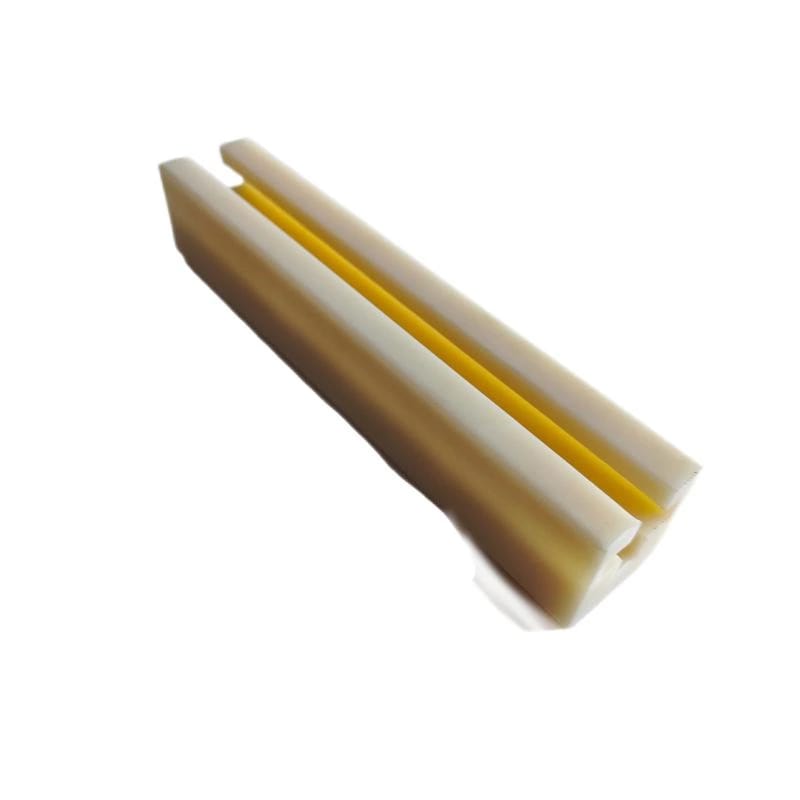
কাস্টম সিএনসি প্লাস্টিকের অংশগুলি প্রায়শই নির্বাচন করা হয় যখন স্ট্যান্ডার্ড উপাদানগুলি মেশিনের কাঠামো, কাজের লোড বা ইনস্টলেশনের স্থানের সাথে মেলে না। ঢালাই উৎপাদনের সাথে তুলনা করে, সিএনসি মেশিনিং বিশেষ করে প্রোটোটাইপ, ছোট ব্যাচ, প্রতিস্থাপন অংশ, কার্যকরী পরীক্ষা এবং অনিয়মিত আকারের জন্য ব্যবহারিক।.
শিল্প ক্রেতাদের জন্য, প্রকল্পের প্রয়োজন হলে সাধারণত CNC প্লাস্টিকের অংশ ব্যবহার করা হয়:
চূড়ান্ত উত্পাদন আগে দ্রুত নকশা পরিবর্তন
পুরানো নমুনার উপর ভিত্তি করে প্রতিস্থাপন অংশ
ছাঁচ টুলিং ছাড়া কম ভলিউম উত্পাদন
জটিল গর্ত, খাঁজ, স্লট বা অনিয়মিত আকার
ইঞ্জিনিয়ারিং প্লাস্টিক সামগ্রী যেমন POM, নাইলন, UHMWPE, HDPE, ABS, বা PP
যে অংশগুলির ভাল পরিধান প্রতিরোধের, কম ঘর্ষণ, নিরোধক, বা জারা প্রতিরোধের প্রয়োজন
সবচেয়ে বড় সুবিধা হল নমনীয়তা। যদি একটি মেশিনের অংশে একটি নতুন গর্তের অবস্থান, একটি পরিবর্তিত খাঁজ বা একটি ভিন্ন বেধের প্রয়োজন হয়, CNC মেশিনিং সাধারণত ছাঁচ-ভিত্তিক উত্পাদনের চেয়ে দ্রুত মানিয়ে নিতে পারে। এটি সরঞ্জাম আপগ্রেড, মেরামত প্রকল্প এবং OEM পণ্য উন্নয়নের জন্য এটি দরকারী করে তোলে।.
গ্রাহকদের জন্য যাদের নমুনা থেকে উৎপাদন পর্যন্ত সমর্থন প্রয়োজন, Huadao's কাস্টমাইজড রাবার এবং প্লাস্টিকের অংশ পরিষেবা উপাদান, গঠন, পরিমাণ, এবং অ্যাপ্লিকেশন প্রয়োজনীয়তা পর্যালোচনা করতে সাহায্য করতে পারে।.
কাস্টম সিএনসি প্লাস্টিক যন্ত্রাংশের সাধারণ অ্যাপ্লিকেশন
কাস্টম সিএনসি প্লাস্টিকের অংশগুলি একটি মেশিনের ভিতরে অনেকগুলি কাজ করতে পারে। কিছু চলমান উপাদান, কিছু প্রতিরক্ষামূলক অংশ, এবং কিছু সমর্থন কাঠামো যা সরঞ্জামগুলিকে আরও মসৃণভাবে চালাতে সহায়তা করে।.
সাধারণ অ্যাপ্লিকেশন অন্তর্ভুক্ত:
প্লাস্টিকের বুশিং এবং হাতা
প্লাস্টিকের গিয়ার এবং স্প্রোকেট
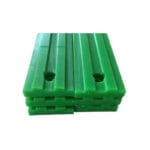
পরিবাহক চেইন গাইড রেল
ব্লক এবং স্লাইড প্লেট পরেন
প্লাস্টিকের রোলার এবং পুলি
মেশিন স্পেসার এবং প্যাড
প্লাস্টিকের লাইনার এবং সুরক্ষা প্লেট
নিরোধক ব্লক
কাস্টম বন্ধনী এবং সমর্থন অংশ
অনিয়মিত প্রতিস্থাপন উপাদান
পরিবাহক সিস্টেমে, CNC প্লাস্টিকের অংশগুলি চলমান চেইন এবং গাইড পৃষ্ঠের মধ্যে ঘর্ষণ কমাতে পারে। প্যাকেজিং সরঞ্জামগুলিতে, তারা শান্ত গতি এবং আরও স্থিতিশীল পণ্য স্থানান্তর সমর্থন করতে পারে। খনির বা কৃষি যন্ত্রপাতিতে, পরিধান-প্রতিরোধী প্লাস্টিকের প্যাড এবং লাইনারগুলি ঘর্ষণ এবং প্রভাব থেকে ধাতব কাঠামোকে রক্ষা করতে পারে। স্বয়ংক্রিয় মেশিনে, নির্ভুল-মেশিনযুক্ত POM অংশগুলি ব্যবহার করা যেতে পারে যেখানে মসৃণ চলাচল এবং মাত্রিক স্থিতিশীলতা গুরুত্বপূর্ণ।.
পরিবাহক-সম্পর্কিত অ্যাপ্লিকেশনের জন্য, Huadao প্রদান করে কাস্টম প্লাস্টিকের চেইন গাইড রেল বিকল্প এবং UHMWPE এবং HDPE প্লাস্টিকের যান্ত্রিক অংশ স্লাইডিং, গাইডিং, স্পেসিং এবং সুরক্ষা ফাংশনের জন্য।.
মেশিনিং আগে উপাদান নির্বাচন আসে
একটি ভাল কাস্টম CNC প্লাস্টিকের অংশ সঠিক উপাদান দিয়ে শুরু হয়। অনেক ক্রয় সমস্যা ঘটে কারণ অঙ্কনটি সঠিক, কিন্তু নির্বাচিত উপাদান বাস্তব কাজের পরিবেশের সাথে মেলে না।.
বিভিন্ন ইঞ্জিনিয়ারিং প্লাস্টিক লোড, তাপ, ঘর্ষণ, রাসায়নিক, আর্দ্রতা এবং কম্পনের অধীনে ভিন্নভাবে আচরণ করে। একটি উপাদান যা একটি গিয়ারের জন্য ভাল কাজ করে একটি পরিধান ফালা জন্য আদর্শ নাও হতে পারে। একটি সমর্থন প্যাডের জন্য উপযুক্ত একটি উপাদান একটি নির্ভুল স্পেসারের জন্য যথেষ্ট স্থিতিশীল নাও হতে পারে।.
| উপাদান | সাধারণ শক্তি | সাধারণ সিএনসি প্লাস্টিক অংশ অ্যাপ্লিকেশন | নির্বাচন নোট |
|---|---|---|---|
| POM / Acetal | মাত্রিক স্থায়িত্ব, মসৃণ মেশিনিং, কম ঘর্ষণ | গিয়ার, বুশিং, স্পেসার, নির্ভুল ব্লক | শক্ত ফিট এবং পুনরাবৃত্তিযোগ্য মাত্রা প্রয়োজন এমন অংশগুলির জন্য ভাল |
| নাইলন | দৃঢ়তা, যান্ত্রিক শক্তি, পরিধান প্রতিরোধের | পুলি, রোলার, গিয়ার, হাতা, চাকা | আর্দ্রতা শোষণ এবং অপারেটিং পরিবেশ বিবেচনা করুন |
| UHMWPE | কম ঘর্ষণ, উচ্চ পরিধান প্রতিরোধের, প্রভাব প্রতিরোধের | ব্লক, গাইড রেল, লাইনার, স্লাইডিং পার্টস পরুন | স্লাইডিং এবং ঘর্ষণ-যোগাযোগ অ্যাপ্লিকেশনের জন্য চমৎকার |
| এইচডিপিই | রাসায়নিক প্রতিরোধের, প্রভাব প্রতিরোধের, সহজ মেশিনিং | প্যাড, প্লেট, ব্লক, সুরক্ষা অংশ | সমর্থন এবং সাধারণ শিল্প অংশ জন্য ব্যবহারিক |
| ABS | ভাল machinability, প্রভাব প্রতিরোধের, প্রোটোটাইপ ব্যবহার | কভার, হাউজিং, প্রোটোটাইপ অংশ | প্রায়শই অ-পরিধান কাঠামোগত বা প্রোটোটাইপ উপাদানগুলির জন্য ব্যবহৃত হয় |
| পিপি | লাইটওয়েট, রাসায়নিক প্রতিরোধের | কভার, জিনিসপত্র, সহজ মেশিন উপাদান | রাসায়নিক এক্সপোজার এবং কম ওজনের ব্যাপার যেখানে দরকারী |
একজন ক্রেতার কখনই শুধুমাত্র নাম দ্বারা উপাদান নির্বাচন করা উচিত নয়। ভাল প্রশ্ন হল: অংশটি কোন সমস্যার সমাধান করতে হবে?
উদাহরণস্বরূপ, একটি প্লাস্টিকের স্পেসার যা শুধুমাত্র একটি সমাবেশে দূরত্ব নিয়ন্ত্রণ করে তার জন্য ঘর্ষণ প্রতিরোধের চেয়ে মাত্রিক স্থিতিশীলতার প্রয়োজন হতে পারে। একটি পরিবাহক স্লাইডিং ব্লকের জন্য কম ঘর্ষণ এবং আঁটসাঁট সহনশীলতার চেয়ে বেশি প্রতিরোধের প্রয়োজন হতে পারে। একটি বুশিংয়ের শক্তির ভারসাম্য, পরিধানের কার্যকারিতা এবং শ্যাফ্ট সামঞ্জস্যের প্রয়োজন হতে পারে।.
সহনশীলতা বাস্তবতা: প্লাস্টিক ধাতু নয়
কাস্টম সিএনসি প্লাস্টিকের অংশগুলির মধ্যে সবচেয়ে গুরুত্বপূর্ণ বিষয়গুলির মধ্যে একটি হল সহনশীলতা। অনেক ক্রেতা প্লাস্টিকের উপাদানগুলিকে এমনভাবে ডিজাইন করেন যেন সেগুলি ধাতব অংশ, কিন্তু প্লাস্টিকগুলি প্রসারিত হয়, ফ্লেক্স করে, আর্দ্রতা শোষণ করে, নরম করে এবং ধাতু থেকে আলাদাভাবে বিকৃত করে।.
এর মানে এই নয় যে প্লাস্টিকের অংশগুলি সুনির্দিষ্ট হতে পারে না। এর অর্থ সহনশীলতা বস্তুগত আচরণ এবং প্রকৃত ফাংশন অনুযায়ী ডিজাইন করা উচিত।.
উদাহরণ স্বরূপ:
POM প্রায়ই নরম প্লাস্টিকের তুলনায় কঠোর মেশিনিং প্রয়োজনীয়তা সমর্থন করতে পারে।.
UHMWPE পরিধান এবং স্লাইডিংয়ের জন্য দুর্দান্ত, তবে অত্যন্ত কঠোর সহনশীলতার প্রয়োজন হলে এটি আরও চ্যালেঞ্জিং হতে পারে।.
নাইলনের ভাল শক্তি আছে, কিন্তু আর্দ্রতা শোষণ মাত্রিক স্থায়িত্বকে প্রভাবিত করতে পারে।.
এইচডিপিই মেশিনে সহজ, তবে এটি অতি-নির্ভুল উপাদানগুলির তুলনায় ব্যবহারিক শিল্প অংশগুলির জন্য আরও উপযুক্ত।.
পাতলা দেয়াল, দীর্ঘ অসমর্থিত বিভাগ এবং গভীর সরু স্লট বিকৃতির ঝুঁকি বাড়াতে পারে।.
কাস্টম CNC প্লাস্টিকের অংশগুলির অনুরোধ করার সময়, ক্রেতাদের অ-গুরুত্বপূর্ণ মাত্রা থেকে সমালোচনামূলক মাত্রা আলাদা করা উচিত। সমাবেশের জন্য একটি গর্ত অবস্থানের কঠোর নিয়ন্ত্রণের প্রয়োজন হতে পারে, যখন একটি বাইরের প্রান্ত যা ফাংশনকে প্রভাবিত করে না তা একটি বিস্তৃত সহনশীলতার অনুমতি দিতে পারে। এটি সরবরাহকারীকে গুণমান নিয়ন্ত্রণ করতে সহায়তা করে যেখানে এটি সম্পূর্ণ অংশকে অতিরিক্ত জটিল না করে সবচেয়ে গুরুত্বপূর্ণ।.
একটি পরিষ্কার অঙ্কন চিহ্নিত করা উচিত:
গুরুতর গর্ত দূরত্ব
খাদ ফিট মাত্রা
খাঁজ প্রস্থ এবং গভীরতা
সমতলতা বা সোজাতা প্রয়োজনীয়তা
বেধ সহনশীলতা
সারফেস ফিনিস প্রয়োজনীয়তা
সমাবেশ যোগাযোগ পৃষ্ঠতল
মাত্রা যে শুধুমাত্র রেফারেন্স জন্য
এটি যোগাযোগকে সহজ করে তোলে এবং অপ্রয়োজনীয় পুনরায় কাজ এড়াতে সহায়তা করে।.
কাস্টম CNC প্লাস্টিক যন্ত্রাংশ জন্য DFM চেকলিস্ট
উত্পাদনের জন্য নকশা শুধুমাত্র ইনজেকশন ছাঁচনির্মাণের জন্য নয়। এটি CNC মেশিনযুক্ত প্লাস্টিকের অংশগুলির জন্যও গুরুত্বপূর্ণ। CAD-তে সহজ দেখায় এমন একটি নকশা মেশিন করা কঠিন হয়ে উঠতে পারে যদি এর ভিতরের কোণে তীক্ষ্ণ, পাতলা দেয়াল, গভীর পকেট বা অবাস্তব সহনশীলতা থাকে।.
সম্ভব হলে তীক্ষ্ণ অভ্যন্তরীণ কোণগুলি এড়িয়ে চলুন
CNC মিলিং সরঞ্জামগুলি গোলাকার, তাই অভ্যন্তরীণ কোণগুলি সাধারণত পুরোপুরি তীক্ষ্ণ হতে পারে না। যদি ডিজাইনের জন্য একটি বর্গাকার অভ্যন্তরীণ কোণার প্রয়োজন হয়, সরবরাহকারীর অতিরিক্ত প্রক্রিয়াকরণ বা নকশা পরিবর্তনের প্রয়োজন হতে পারে। একটি যুক্তিসঙ্গত ব্যাসার্ধ যোগ করা machinability উন্নত করতে পারে এবং চাপ ঘনত্ব কমাতে পারে।.
প্রাচীর বেধ ব্যবহারিক রাখুন
খুব পাতলা প্লাস্টিকের দেয়াল মেশিনিংয়ের সময় কম্পন, বাঁক বা বিকৃত হতে পারে। তারা ইনস্টলেশনের সময় দুর্বল হতে পারে। যখন সম্ভব, মেশিনের স্থায়িত্ব এবং চূড়ান্ত কাজের লোড উভয়কেই সমর্থন করার জন্য দেয়ালগুলিকে যথেষ্ট পুরু রাখুন।.
মনের মধ্যে ইনস্টলেশন সঙ্গে নকশা গর্ত
গর্ত শুধুমাত্র একটি অঙ্কন উপর মাত্রা নয়। তারা সমাবেশ, বন্ধন, প্রান্তিককরণ, এবং সেবা জীবন প্রভাবিত করে। গর্তগুলি গর্ত, অন্ধ গর্ত, কাউন্টারসাঙ্ক গর্ত, কাউন্টারবোরড হোল বা থ্রেডেড গর্তের মধ্য দিয়ে হওয়া দরকার কিনা তা ক্রেতাদের নির্দিষ্ট করা উচিত।.
টাইট সহনশীলতা অতিরিক্ত ব্যবহার করবেন না
আঁটসাঁট সহনশীলতা শুধুমাত্র যেখানে ফাংশন প্রয়োজন প্রয়োগ করা উচিত। প্রতিটি মাত্রাকে অতিরিক্ত শক্ত করা বাস্তব কর্মক্ষমতা উন্নত না করে উৎপাদনকে আরও কঠিন করে তুলতে পারে। প্লাস্টিকের অংশগুলির জন্য, একটি কার্যকরী সহনশীলতা কৌশল সাধারণত একটি ধাতু-শৈলী সহনশীলতা কৌশলের চেয়ে ভাল।.
এজ ফিনিশিং বিবেচনা করুন
কিছু প্লাস্টিকের অংশ সহজে ইনস্টলেশনের জন্য চ্যামফার্ড প্রান্ত প্রয়োজন। অন্যদের চলন্ত অংশে হস্তক্ষেপ রোধ করতে ডিবারিং প্রয়োজন। পরিবাহক এবং স্লাইডিং অ্যাপ্লিকেশনের জন্য, প্রান্ত ফিনিস ঘর্ষণ, শব্দ এবং পরিধান প্রভাবিত করতে পারে।.
প্রতিস্থাপন অ্যাক্সেস সম্পর্কে চিন্তা করুন
যদি অংশটি একটি পরিধান ব্লক, গাইড রেল, লাইনার বা বুশিং হয় তবে এটি পর্যায়ক্রমিক প্রতিস্থাপনের প্রয়োজন হতে পারে। মাউন্টিং পদ্ধতিটি ডিজাইন করুন যাতে রক্ষণাবেক্ষণ দলগুলি আশেপাশের উপাদানগুলির ক্ষতি না করে অংশটি সরাতে এবং প্রতিস্থাপন করতে পারে।.
সিএনসি প্লাস্টিক যন্ত্রাংশ বনাম ইনজেকশন মোল্ডেড প্লাস্টিক যন্ত্রাংশ
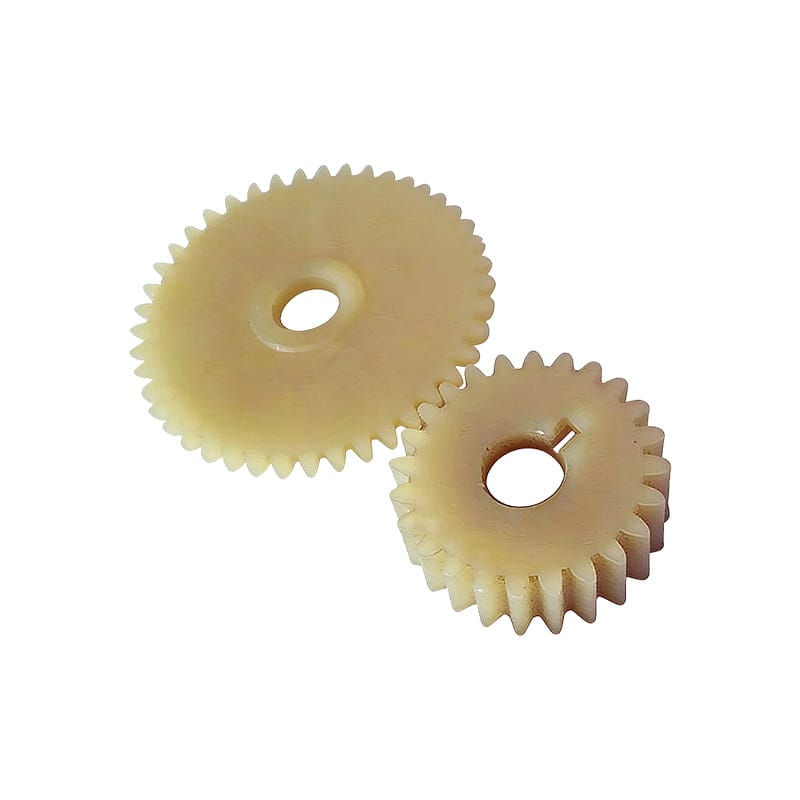
অনেক ক্রেতা জিজ্ঞাসা করেন যে তাদের সিএনসি মেশিনিং বা ইনজেকশন ছাঁচনির্মাণ ব্যবহার করা উচিত কিনা। উত্তরটি প্রকল্পের পর্যায়, জ্যামিতি, পরিমাণ, উপাদান এবং ভবিষ্যতের উৎপাদন পরিকল্পনার উপর নির্ভর করে।.
CNC মেশিনিং প্রায়ই এর জন্য ভাল:
প্রোটোটাইপ
ইঞ্জিনিয়ারিং নমুনা
কম ভলিউম উত্পাদন
প্রতিস্থাপন অংশ
বড় প্লাস্টিকের ব্লক বা প্লেট
ঘন ঘন নকশা পরিবর্তন সঙ্গে অংশ
অনিয়মিত শিল্প উপাদান
ছাঁচ বিনিয়োগ ছাড়া প্রকল্প
ইনজেকশন ছাঁচনির্মাণ প্রায়ই জন্য ভাল:
উচ্চ-ভলিউম উত্পাদন
জটিল পুনরাবৃত্তিযোগ্য আকার
সামঞ্জস্যপূর্ণ ঢালাই বৈশিষ্ট্য সঙ্গে অংশ
অপ্টিমাইজ করা প্রাচীর বেধ সঙ্গে লাইটওয়েট উপাদান
দীর্ঘমেয়াদী ভর উত্পাদন প্রোগ্রাম
একটি সাধারণ কৌশল হল প্রথমে সিএনসি মেশিনিং ব্যবহার করা, তারপর ডিজাইন পরীক্ষা এবং স্থিতিশীল হওয়ার পরে ইনজেকশন ছাঁচনির্মাণে চলে যাওয়া। এটি প্রকৌশল দলগুলিকে ছাঁচ বিকাশে প্রতিশ্রুতিবদ্ধ হওয়ার আগে ফিট, উপাদান এবং কার্যকারিতা নিশ্চিত করতে সহায়তা করে।.
Huadao উভয় প্রদান করে সিএনসি মেশিনিং প্লাস্টিক পণ্য এবং প্লাস্টিক ইনজেকশন ছাঁচনির্মাণ পণ্য, যা ক্রেতাদের জন্য পণ্য বিকাশের সময় উভয় রুটের তুলনা করা সহজ করে তোলে।.
পরিধান, ঘর্ষণ এবং নড়াচড়ার জন্য কীভাবে প্লাস্টিক চয়ন করবেন
অনেক কাস্টম CNC প্লাস্টিকের অংশ চলন্ত সমাবেশে ব্যবহার করা হয়। এই ক্ষেত্রে, উপাদান পরিধান আচরণ, ঘর্ষণ স্তর, লোড, এবং যোগাযোগ পৃষ্ঠের জন্য নির্বাচন করা আবশ্যক।.
স্লাইডিং অ্যাপ্লিকেশনের জন্য, UHMWPE প্রায়ই নির্বাচন করা হয় কারণ এটি কম ঘর্ষণ এবং শক্তিশালী ঘর্ষণ প্রতিরোধের প্রস্তাব করে। এটি গাইড অংশ, পরিধান ব্লক, লাইনার এবং পরিবাহক স্লাইডিং উপাদানগুলির জন্য উপযুক্ত করে তোলে। পরিবাহক পরিধান অ্যাপ্লিকেশন সম্পর্কে আরো বিস্তারিত জানার জন্য, ক্রেতারা Huadao এর পড়তে পারেন UHMWPE পরিবাহক পরিধান ফালা নির্বাচন গাইড.
গিয়ার, পুলি এবং বুশিংয়ের জন্য, POM এবং নাইলনকে প্রায়শই বিবেচনা করা হয় কারণ তারা যন্ত্র, শক্তি এবং পরিধানের কার্যকারিতার একটি দরকারী ভারসাম্য প্রদান করে। উদাহরণস্বরূপ, ক কাস্টম প্লাস্টিক স্পার গিয়ার সঠিক দাঁতের আকৃতি এবং স্থিতিশীল ঘূর্ণনের প্রয়োজন হতে পারে, যখন ক বিয়ারিং সহ কাস্টম নাইলন প্লাস্টিকের পুলি দৃঢ়তা, মসৃণ আন্দোলন, এবং নির্ভরযোগ্য ভারবহন ফিট প্রয়োজন হতে পারে।.
চলমান অংশগুলির জন্য উপাদান নির্বাচন করার সময়, নিশ্চিত করুন:
লোড দিক
স্লাইডিং গতি
খাদ বা চেইন উপাদান
তৈলাক্তকরণ অবস্থা
শুষ্ক বা ভেজা কাজের পরিবেশ
ক্রমাগত বা বিরতিহীন অপারেশন
শব্দ কমানোর প্রয়োজনীয়তা
প্রত্যাশিত প্রতিস্থাপন চক্র
রাসায়নিক পরিষ্কার বা উচ্চ আর্দ্রতার অধীনে শুষ্ক স্লাইডিংয়ে ভাল কাজ করে এমন একটি উপাদান সেরা বিকল্প নাও হতে পারে। ঘরের তাপমাত্রায় যথেষ্ট শক্তিশালী একটি উপাদান তাপের অধীনে ভিন্নভাবে আচরণ করতে পারে। এই বিবরণ উত্পাদন আগে আলোচনা করা উচিত।.
সারফেস ফিনিশ, Burr কন্ট্রোল, এবং চেহারা প্রয়োজনীয়তা
শিল্প প্লাস্টিকের অংশগুলির জন্য, চেহারা সর্বদা শীর্ষ অগ্রাধিকার নয়। যাইহোক, পৃষ্ঠের ফিনিস এখনও গুরুত্বপূর্ণ কারণ এটি সমাবেশ, স্লাইডিং, সিলিং, পরিষ্কার এবং পণ্য চলাচলকে প্রভাবিত করতে পারে।.
সাধারণ পৃষ্ঠের প্রয়োজনীয়তা অন্তর্ভুক্ত:
মসৃণ মেশিন ফিনিস
Deburred প্রান্ত
চ্যামফার্ড কোণ
খাঁজকাটা পৃষ্ঠ
ড্রিল করা এবং কাউন্টারবোরড গর্ত
সমতল সমর্থন পৃষ্ঠ
অ স্ক্র্যাচিং যোগাযোগ পৃষ্ঠ
কাস্টম রঙ বা উপাদান চেহারা
চলমান চেইন, বেল্ট, পণ্য বা শ্যাফ্টের সাথে যোগাযোগ করে এমন অংশগুলির জন্য, burrs তাড়াতাড়ি পরিধান বা অস্থির আন্দোলনের কারণ হতে পারে। স্পেসার এবং প্যাডের জন্য, দুর্বল সমতলতা সমাবেশ প্রান্তিককরণকে প্রভাবিত করতে পারে। মেশিন কভার বা দৃশ্যমান অংশগুলির জন্য, চেহারাও গুরুত্বপূর্ণ হতে পারে।.
ক্রেতাদের স্পষ্টভাবে বলা উচিত কোন পৃষ্ঠগুলি কার্যকরী। একজন সরবরাহকারী সর্বদা জানেন না কোন মুখটি চেইনের সাথে যোগাযোগ করে, কোন গর্তটি প্রান্তিককরণ নিয়ন্ত্রণ করে বা ইনস্টলেশনের পরে কোন পৃষ্ঠটি দৃশ্যমান হয়। একটি সাধারণ চিহ্নিত অঙ্কন বা ইনস্টলেশন ফটো অনেক সমস্যা প্রতিরোধ করতে পারে।.
খাদ্য, নিরাপত্তা, এবং সম্মতি বিবেচনা
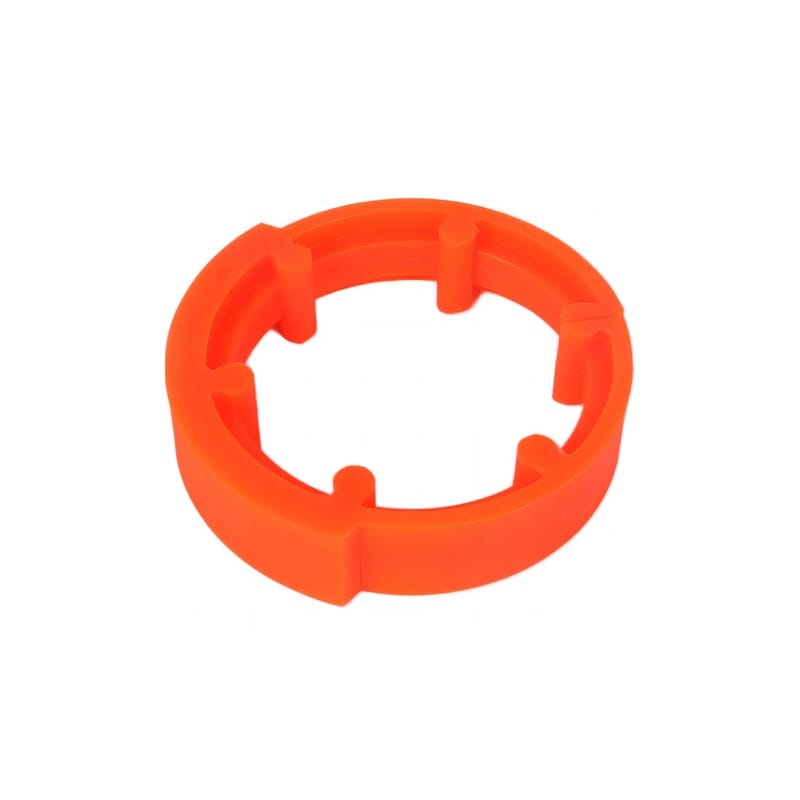
কিছু কাস্টম সিএনসি প্লাস্টিকের অংশ খাদ্য প্রক্রিয়াকরণ, প্যাকেজিং, চিকিৎসা-সম্পর্কিত সরঞ্জাম বা নিরাপত্তা-সংবেদনশীল যন্ত্রপাতিতে ব্যবহৃত হয়। এই ক্ষেত্রে, উপাদান ডকুমেন্টেশন এবং আবেদন শর্ত আরো গুরুত্বপূর্ণ হয়ে ওঠে।.
খাদ্য-যোগাযোগ অ্যাপ্লিকেশনের জন্য, ক্রেতাদের নিশ্চিত করা উচিত যে নির্বাচিত উপাদান গ্রেড লক্ষ্য বাজার এবং ব্যবহারের অবস্থার জন্য উপযুক্ত কিনা। উদাহরণস্বরূপ, প্রবিধান যেমন 21 CFR 177.2470 সঠিক প্রয়োগ এবং সম্মতির প্রয়োজনীয়তার উপর নির্ভর করে নির্দিষ্ট পলিঅক্সিমিথিলিন কপোলিমার উপকরণগুলির জন্য প্রাসঙ্গিক হতে পারে।.
যন্ত্রপাতি নিরাপত্তার জন্য, প্লাস্টিকের উপাদান সম্পূর্ণ সরঞ্জাম নকশা থেকে আলাদাভাবে বিবেচনা করা উচিত নয়। গার্ড, চলন্ত অংশ, চিমটি পয়েন্ট, এবং ইনস্টলেশন নিরাপত্তা প্রযোজ্য মেশিন নিরাপত্তা নিয়ম অনুসরণ করা উচিত। দ্য OSHA মেশিন গার্ডিং স্ট্যান্ডার্ড শিল্প যন্ত্রপাতিতে সাধারণ গার্ডিং নীতিগুলি বোঝার জন্য একটি দরকারী রেফারেন্স।.
গুণমান ব্যবস্থাপনার জন্য, অনেক ক্রেতা সরবরাহকারীদের পরিদর্শন রেকর্ড, ব্যাচের ধারাবাহিকতা এবং গুণমান সিস্টেম সম্পর্কে জিজ্ঞাসা করে।. ISO 9001 একটি গুণমান ব্যবস্থাপনা রেফারেন্স হিসাবে ব্যাপকভাবে ব্যবহৃত হয়, কিন্তু ক্রেতাদের এখনও তাদের নির্দিষ্ট অংশগুলির জন্য সরবরাহকারীর প্রকৃত পরিদর্শন প্রক্রিয়া পর্যালোচনা করা উচিত।.
উদ্ধৃতির জন্য অঙ্কন এবং নমুনা কীভাবে প্রস্তুত করবেন
একটি সম্পূর্ণ অনুসন্ধান প্রস্তুতকারককে আরও সঠিক সমাধান প্রদান করতে সহায়তা করে। যখন ক্রেতারা শুধুমাত্র একটি পণ্যের নাম পাঠায়, সরবরাহকারীকে অবশ্যই অনেক বিশদ অনুমান করতে হবে। এটি বিলম্ব, ভুল উপাদান নির্বাচন, বা অস্পষ্ট উদ্ধৃতি সুযোগ হতে পারে।.
কাস্টম CNC প্লাস্টিকের অংশগুলির জন্য, নিম্নলিখিত তথ্য প্রস্তুত করুন:
2D অঙ্কন বা 3D ফাইল
উপাদানের প্রয়োজনীয়তা বা কাজের অবস্থা
সামগ্রিক মাত্রা
সমালোচনামূলক সহনশীলতা
গর্ত ব্যাস এবং গর্ত অবস্থান
খাঁজ, স্লট, বা পকেট মাত্রা
সারফেস ফিনিস প্রয়োজনীয়তা
রঙের প্রয়োজনীয়তা
পরিমাণের প্রয়োজন
আবেদন শিল্প
অপারেটিং তাপমাত্রা
লোড বা ঘর্ষণ অবস্থা
ইনস্টলেশন অবস্থানের ফটো
নমুনা অংশ যদি উপলব্ধ
যদি অংশটি একটি প্রতিস্থাপন উপাদান হয় এবং অঙ্কন অনুপস্থিত থাকে, একাধিক কোণ থেকে ফটো পাঠান। স্কেলের জন্য ছবিতে একটি শাসক বা ক্যালিপার যোগ করুন। যদি পুরানো অংশটি পরিধান করা হয়, ক্ষতিগ্রস্ত এলাকাগুলি চিহ্নিত করুন যাতে সরবরাহকারী জানে কোন মাত্রাগুলি আর মূল নকশাকে প্রতিফলিত করতে পারে না।.
প্রতিস্থাপন প্রকল্পগুলির জন্য, সমস্যাটি ব্যাখ্যা করাও সহায়ক:
অংশ খুব দ্রুত পরেন
ইনস্টলেশনের সময় অংশ ফাটল
গর্তের অবস্থান ফ্রেমের সাথে মেলে না
পৃষ্ঠটি খুব বেশি ঘর্ষণ তৈরি করে
পুরানো উপাদান পরিবেশের জন্য উপযুক্ত নয়
সমাবেশ কম শব্দ বা মসৃণ আন্দোলন প্রয়োজন
এটি সরবরাহকারীকে আরও প্রসঙ্গ দেয় এবং একটি ভাল উপাদান বা কাঠামোর সুপারিশ হতে পারে।.
প্রোটোটাইপ, ছোট ব্যাচ, বা OEM উত্পাদন: বিভিন্ন লক্ষ্য ভিন্ন যোগাযোগ প্রয়োজন
প্রতিটি কাস্টম CNC প্লাস্টিকের অংশ অনুসন্ধানের একই লক্ষ্য নেই। সরবরাহকারীকে জানতে হবে যে অংশটি পরীক্ষা, মেরামত বা বারবার উত্পাদনের জন্য কিনা।.
প্রোটোটাইপের জন্য, ক্রেতারা সাধারণত ফিট, আকৃতি এবং কার্যকরী পরীক্ষার বিষয়ে যত্নশীল। নকশা এখনও পরিবর্তিত হতে পারে, তাই গতি এবং নমনীয়তা গুরুত্বপূর্ণ।.
প্রতিস্থাপন যন্ত্রাংশের জন্য, বিদ্যমান মেশিনের নির্ভুলতা গুরুত্বপূর্ণ। সরবরাহকারীকে একটি জীর্ণ নমুনা অনুলিপি করতে বা ইনস্টলেশন ফটোর উপর ভিত্তি করে মাত্রা সামঞ্জস্য করতে হতে পারে।.
ছোট ব্যাচের জন্য, পুনরাবৃত্তিযোগ্যতা এবং পরিদর্শন আরও গুরুত্বপূর্ণ হয়ে ওঠে। ক্রেতার একাধিক অংশ জুড়ে স্থিতিশীল মাত্রার প্রয়োজন হতে পারে।.
OEM উত্পাদনের জন্য, ডকুমেন্টেশন, প্যাকেজিং, ব্যাচের ধারাবাহিকতা এবং দীর্ঘমেয়াদী সরবরাহ সমর্থন আরও গুরুত্বপূর্ণ হয়ে ওঠে।.
একটি ভাল অনুসন্ধান স্পষ্টভাবে প্রকল্পের ধরন উল্লেখ করা উচিত। এটি সরবরাহকারীকে দ্রুত নমুনা মেশিনিং, বিপরীত প্রকৌশল, ব্যাচ উত্পাদন নিয়ন্ত্রণ, বা দীর্ঘমেয়াদী উত্পাদন পরিকল্পনার উপর ফোকাস করতে হবে কিনা তা সিদ্ধান্ত নিতে সহায়তা করে।.
উদ্ধৃতির বাইরে সরবরাহকারীর মূল্যায়ন
একটি কাস্টম CNC প্লাস্টিকের যন্ত্রাংশ সরবরাহকারী নির্বাচন শুধুমাত্র একটি উদ্ধৃতি উপর ভিত্তি করে করা উচিত নয়। একটি কম উদ্ধৃতি সাহায্য করে না যদি অংশগুলি ভুল গর্ত, দুর্বল পৃষ্ঠের গুণমান, অস্থির মাত্রা বা অনুপযুক্ত উপাদান নিয়ে আসে।.
একটি সরবরাহকারী মূল্যায়ন করার সময়, ফোকাস করুন:
বস্তুগত জ্ঞান
মেশিনিং ক্ষমতা
ইঞ্জিনিয়ারিং প্লাস্টিকের অভিজ্ঞতা
অঙ্কন পর্যালোচনা ক্ষমতা
সহনশীলতা যোগাযোগ
পরিদর্শন প্রক্রিয়া
নমুনা সমর্থন
ব্যাচের ধারাবাহিকতা
প্রতিক্রিয়া গতি
নকশা পরামর্শ প্রদান করার ক্ষমতা
হুয়াদাও এর জেনারেল ইঞ্জিনিয়ারিং প্লাস্টিক পরিসরে POM, ABS, HDPE, নাইলন, PP, PU, এবং UHMWPE-সম্পর্কিত উপাদানগুলির মতো উপকরণ এবং পণ্য অন্তর্ভুক্ত রয়েছে। এটি ক্রেতাদের জন্য উপযোগী যাদের বিভিন্ন যন্ত্রপাতি প্রকল্পে একাধিক প্লাস্টিকের অংশের ধরন সমর্থন করার জন্য একজন সরবরাহকারীর প্রয়োজন।.
একটি নির্ভরযোগ্য সরবরাহকারী উত্পাদন আগে প্রশ্ন জিজ্ঞাসা করা উচিত। যদি সরবরাহকারী কখনই অ্যাপ্লিকেশন, উপাদান, সহনশীলতা বা ইনস্টলেশন সম্পর্কে জিজ্ঞাসা না করে, তাহলে অমিলের ঝুঁকি বেশি হতে পারে। ভাল প্রযুক্তিগত যোগাযোগ প্রায়শই মেশিনিং শুরু করার আগে সমস্যা প্রতিরোধ করে।.
ব্যবহারিক উদাহরণ: একটি CNC প্লাস্টিক অংশ দিয়ে একটি মেটাল গাইড ব্লক প্রতিস্থাপন
একটি যন্ত্রপাতি রক্ষণাবেক্ষণ দল লক্ষ্য করতে পারে যে একটি ধাতব গাইড ব্লক ক্রমাগত চলাচলের সময় শব্দ এবং পরিধান তৈরি করে। ধাতব অংশটি শক্তিশালী, তবে এটি যোগাযোগের পৃষ্ঠকে ক্ষতিগ্রস্ত করে এবং ঘন ঘন সমন্বয় প্রয়োজন। একই ধাতব অংশ আবার ব্যবহার করার পরিবর্তে, দলটি একটি কাস্টম CNC প্লাস্টিকের অংশ আরও উপযুক্ত কিনা তা পর্যালোচনা করতে পারে।.
প্রক্রিয়াটি এরকম দেখতে পারে:
দলটি পুরানো গাইড ব্লকটি সরিয়ে দেয় এবং ইনস্টলেশনের অবস্থান পরিমাপ করে।.
তারা যোগাযোগের পৃষ্ঠ এবং লোডের দিক সনাক্ত করে।.
তারা সরবরাহকারীর কাছে ফটো, মাত্রা এবং কাজের অবস্থার বিবরণ পাঠায়।.
সরবরাহকারী ঘর্ষণ, পরিধান এবং প্রভাবের প্রয়োজনের উপর ভিত্তি করে একটি উপযুক্ত ইঞ্জিনিয়ারিং প্লাস্টিকের সুপারিশ করে।.
একটি নমুনা অংশ পরীক্ষা ইনস্টলেশনের জন্য মেশিন করা হয়।.
পরীক্ষার পরে, গর্ত অবস্থান এবং প্রান্ত ফিনিস সমন্বয় করা হয়।.
রক্ষণাবেক্ষণ প্রতিস্থাপনের জন্য একটি ছোট ব্যাচ উত্পাদিত হয়।.
এই পদ্ধতিটি একটি অংশ প্রতিস্থাপনের চেয়ে বেশি করে। এটি মেশিনের ঘর্ষণ, শব্দ এবং ভবিষ্যতের রক্ষণাবেক্ষণ পরিচালনা করার উপায়কে উন্নত করে। অনেক শিল্প প্রকল্পে, কাস্টম সিএনসি প্লাস্টিকের অংশগুলি কেবল ধাতব উপাদানগুলির বিকল্প নয়। তারা কার্যকরী উন্নতি।.
সাধারণ ভুল ক্রেতাদের এড়ানো উচিত
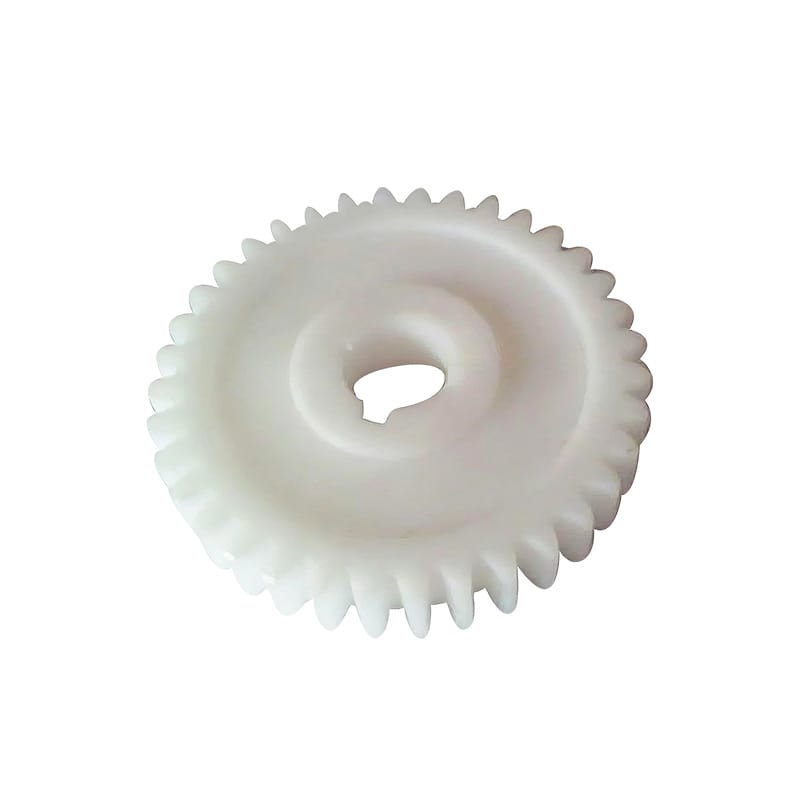
কাস্টম সিএনসি প্লাস্টিকের অংশগুলির সাথে অনেক সমস্যা উত্পাদন শুরু হওয়ার আগে এড়ানো যেতে পারে।.
এই সাধারণ ভুলগুলি করবেন না:
শুধুমাত্র চেহারা দ্বারা উপাদান নির্বাচন
প্লাস্টিকের আচরণ বিবেচনা না করে ধাতব সহনশীলতা ব্যবহার করা
আর্দ্রতা, তাপ, রাসায়নিক বা ঘর্ষণ উপেক্ষা করা
পরিধান এলাকা ব্যাখ্যা না করে একটি জীর্ণ নমুনা পাঠানো
সমালোচনামূলক মাত্রা চিহ্নিত করতে ভুলে যাওয়া
গর্তের ধরন এবং বেঁধে রাখার পদ্ধতি নিশ্চিত করা হচ্ছে না
ধরে নিচ্ছি যে সমস্ত প্লাস্টিক একই সহনশীলতা ধরে রাখতে পারে
আবেদনের বিবরণ ছাড়াই একটি উদ্ধৃতি অনুরোধ করা হচ্ছে
প্রান্ত ফিনিস এবং burr নিয়ন্ত্রণ উপেক্ষা
পুনরাবৃত্তি উত্পাদন আগে নমুনা পরীক্ষা করতে ব্যর্থ
সর্বোত্তম পদ্ধতি হল প্রথমে ফাংশনটি সংজ্ঞায়িত করা, তারপর সেই ফাংশনের চারপাশে উপাদান, সহনশীলতা এবং মেশিনিং বিশদ নির্বাচন করা।.
FAQ
কাস্টম CNC প্লাস্টিকের অংশ কি?
কাস্টম সিএনসি প্লাস্টিকের অংশগুলি অঙ্কন, নমুনা বা সরঞ্জামের প্রয়োজনীয়তা অনুসারে তৈরি মেশিনযুক্ত প্লাস্টিকের উপাদান। তারা গিয়ার, বুশিং, রোলার, পুলি, গাইড রেল, স্পেসার, প্যাড, লাইনার, ব্লক এবং অনিয়মিত অংশ অন্তর্ভুক্ত করতে পারে।.
কোন প্লাস্টিক সিএনসি মেশিনিংয়ের জন্য সেরা?
প্রতিটি প্রকল্পের জন্য কোন একক সেরা প্লাস্টিক নেই। POM প্রায়শই মাত্রিক স্থিতিশীলতার জন্য, দৃঢ়তার জন্য নাইলন, স্লাইডিং এবং পরিধান প্রতিরোধের জন্য UHMWPE, টেকসই সমর্থন অংশগুলির জন্য HDPE এবং প্রোটোটাইপ বা কাঠামোগত উপাদানগুলির জন্য ABS ব্যবহার করা হয়।.
CNC প্লাস্টিকের অংশগুলি কি প্রতিস্থাপনের অংশগুলির জন্য উপযুক্ত?
হ্যাঁ। CNC মেশিনিং প্রতিস্থাপন অংশগুলির জন্য খুব উপযুক্ত, বিশেষ করে যখন মূল অংশটি বন্ধ করা হয়, অঙ্কনটি অনুপস্থিত থাকে, বা শুধুমাত্র একটি নমুনা পাওয়া যায়।.
প্লাস্টিকের অংশ কি শক্ত সহনশীলতা ধরে রাখতে পারে?
হ্যাঁ, তবে সহনশীলতা উপাদান, অংশের আকার, জ্যামিতি, মেশিনিং পদ্ধতি এবং কাজের পরিবেশের উপর নির্ভর করে। POM সাধারণত UHMWPE বা HDPE এর মতো নরম উপকরণের তুলনায় কঠোর সহনশীলতা সমর্থন করে।.
কাস্টম CNC প্লাস্টিকের অংশগুলির জন্য আমার কোন ফাইলগুলি পাঠানো উচিত?
আপনি 2D অঙ্কন, 3D ফাইল, নমুনা, ফটো বা বিস্তারিত মাত্রা পাঠাতে পারেন। আরও সঠিকতার জন্য, উপাদানের প্রয়োজনীয়তা, সহনশীলতার প্রয়োজন, অ্যাপ্লিকেশন পরিবেশ এবং ইনস্টলেশন ফটো অন্তর্ভুক্ত করুন।.
সিএনসি মেশিনিং কি ইনজেকশন ছাঁচনির্মাণের চেয়ে ভাল?
সিএনসি মেশিনিং প্রোটোটাইপ, ছোট ব্যাচ, প্রতিস্থাপন অংশ এবং নকশা পরিবর্তনের জন্য ভাল। নকশা স্থিতিশীল হওয়ার পরে উচ্চ-ভলিউম উত্পাদনের জন্য ইনজেকশন ছাঁচনির্মাণ ভাল।.
Huadao উপাদান চয়ন করতে সাহায্য করতে পারেন?
হ্যাঁ। হুয়াদাও শিল্প অ্যাপ্লিকেশনের জন্য উপযুক্ত প্লাস্টিক সামগ্রী এবং মেশিনিং পদ্ধতির সুপারিশ করতে অঙ্কন, নমুনা, মাত্রা এবং কাজের অবস্থা পর্যালোচনা করতে পারে।.
উপসংহার
কাস্টম সিএনসি প্লাস্টিকের অংশগুলি মেশিনের কার্যকারিতার উপর একটি বড় প্রভাব সহ ছোট উপাদান। সঠিক অংশ ঘর্ষণ কমাতে পারে, সমাবেশ উন্নত করতে পারে, ধাতব পৃষ্ঠগুলিকে রক্ষা করতে পারে, কম শব্দ করতে পারে, রক্ষণাবেক্ষণকে সহজ করতে পারে এবং স্থিতিশীল সরঞ্জাম অপারেশনকে সমর্থন করতে পারে। ভুল অংশ বারবার ডাউনটাইম, দুর্বল ফিট, তাড়াতাড়ি পরিধান এবং অপ্রয়োজনীয় পুনরায় ডিজাইন তৈরি করতে পারে।.
আরও ভাল ফলাফলের জন্য, ক্রেতাদের প্রথমে অংশ ফাংশনটি সংজ্ঞায়িত করা উচিত, তারপরে উপাদান, সহনশীলতা, পৃষ্ঠের ফিনিস এবং মেশিনের বিবরণকে বাস্তব কাজের অবস্থার সাথে মেলানো উচিত। অঙ্কন, নমুনা, ফটো এবং অ্যাপ্লিকেশনের বিবরণ সহ একটি সম্পূর্ণ অনুসন্ধান প্রস্তুতকারককে আরও নির্ভরযোগ্য সমাধান প্রদান করতে সহায়তা করে।.
Huadao POM, নাইলন, UHMWPE, HDPE, ABS, PP, এবং অন্যান্য ইঞ্জিনিয়ারিং প্লাস্টিকের জন্য কাস্টম CNC মেশিনিং সমর্থন করে। কাস্টম অংশ, প্রতিস্থাপন উপাদান, বা OEM উত্পাদন সমর্থন জন্য, দেখুন সিএনসি মেশিনিং প্লাস্টিক পণ্য পৃষ্ঠা বা হুয়াদাও যোগাযোগ করুন আপনার প্রকল্পের প্রয়োজনীয়তা নিয়ে আলোচনা করতে।.