Table of Contents
Hydraulic cylinder seals control leakage, pressure stability, contamination, and movement inside hydraulic equipment. A seal can match the old part by size and still fail if pressure, fluid, groove clearance, rod condition, or installation damage is ignored. This guide explains how to choose hydraulic cylinder seals for repair, OEM production, and custom replacement projects without reducing the decision to a simple diameter list.
Identify the Seal Function
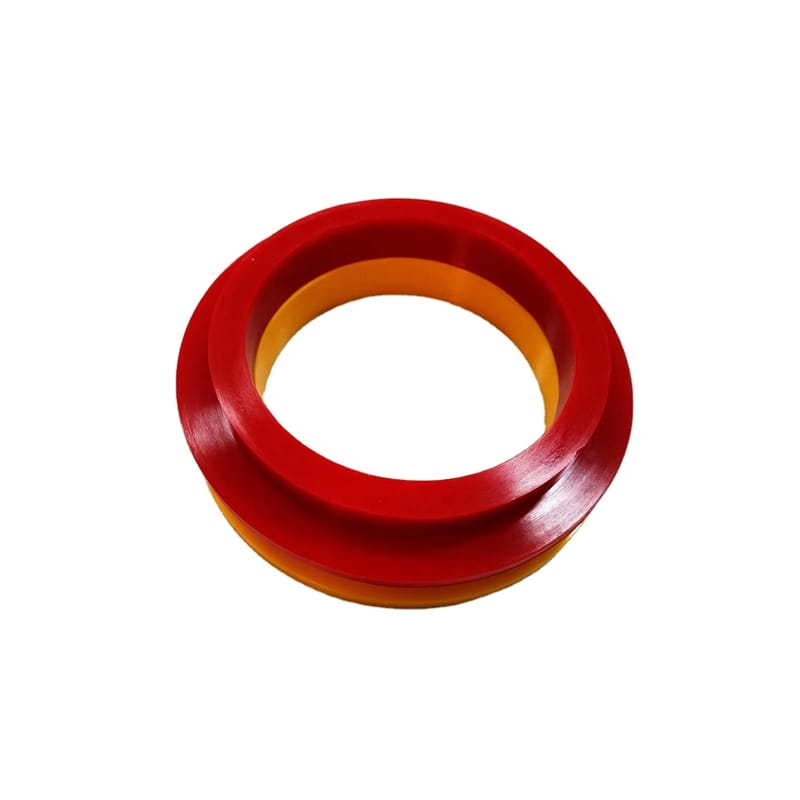
Hydraulic cylinder seals include piston seals, rod seals, wipers, guide rings, backup rings, and static seals. Each part has a different job. A piston seal controls pressure between cylinder chambers. A rod seal limits oil leakage around the rod. A wiper keeps contamination away from the sealing area. Selecting hydraulic cylinder seals begins with function, not material.
A useful inquiry explains where the seal sits, which side sees pressure, whether movement is reciprocating or static, and whether the part is for repair or a new cylinder. Huadao provides hydraulic cylinder seals and related custom molded rubber parts for industrial sealing applications.
A sealing system should also be reviewed in sequence. Contamination often reaches the rod seal because the wiper is worn or unsuitable. A piston seal may be blamed for drift when guide wear or bore damage is part of the issue. Looking at hydraulic cylinder seals as a group helps buyers avoid replacing one component while leaving the real cause untouched.
The seal stack should be discussed as a system when possible. A rod seal, wiper, and guide ring may all influence each other. If contamination passes the wiper, the rod seal may wear quickly even if the rod seal material is correct. If the guide element is worn, side load may damage hydraulic cylinder seals that otherwise match the drawing.
Match Material to Pressure and Fluid
Pressure, speed, temperature, and hydraulic fluid shape the seal choice. Higher pressure may require stronger profiles or backup support. Faster motion can increase friction and heat. Fluid compatibility affects swelling, hardening, and long-term sealing behavior. Hydraulic cylinder seals should not be selected by hardness alone.
PU is often used where abrasion resistance and mechanical strength are important. NBR is often considered for oil resistance in suitable conditions. For background, readers can review hydraulic cylinders, hydraulic machinery, mechanical seals, and nitrile rubber.
Operating rhythm matters as much as maximum pressure. A cylinder that moves slowly and occasionally has different friction and heat behavior from one that cycles continuously. Hydraulic cylinder seals used in repetitive motion need closer attention to lubrication film, surface finish, and wear debris. A short description of the duty cycle can change the recommended material or profile.
Temperature changes should be reviewed as a range rather than a single number. Startup, continuous operation, and shutdown can expose hydraulic cylinder seals to different conditions. If the cylinder works outdoors or near heat sources, the seal material should be chosen with those variations in mind.
Fluid information should include more than a broad label such as hydraulic oil. Additives, operating temperature, contamination, and maintenance practices can all change seal behavior. When the fluid is uncertain, buyers should at least explain the equipment type and environment so the supplier can ask the right compatibility questions before recommending hydraulic cylinder seals.
| Condition | Question | Why It Matters |
|---|---|---|
| Pressure | Is backup support needed? | Reduces extrusion risk. |
| Fluid | Is the elastomer compatible? | Prevents swelling or cracking. |
| Speed | Will friction create heat? | Affects lip wear. |
| Groove | Are metal dimensions confirmed? | Controls squeeze and fit. |
Use Failure Clues Before Reordering
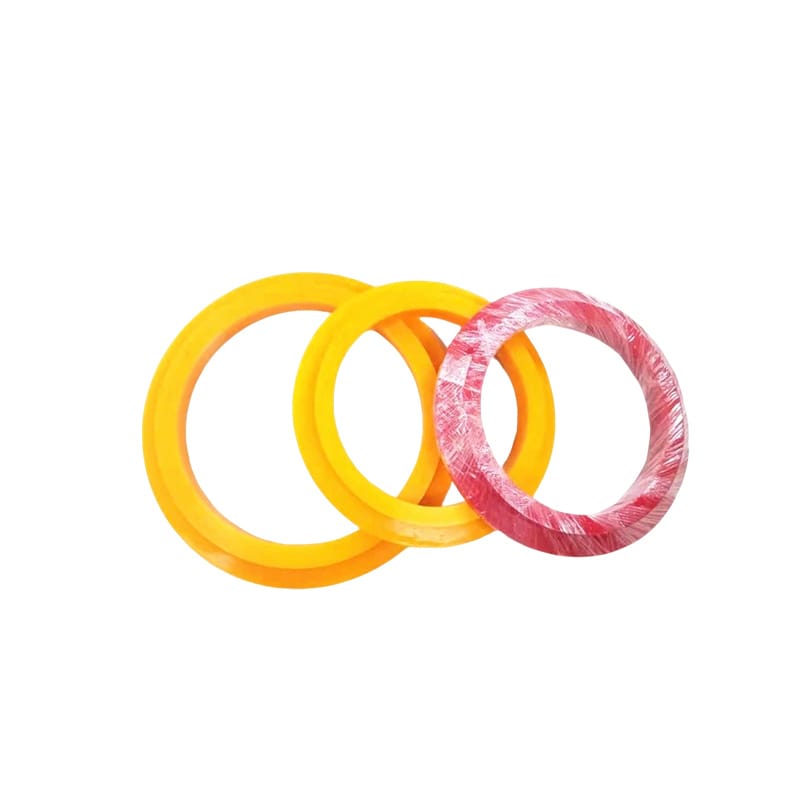
Failed hydraulic cylinder seals often show the cause of the problem. A cut lip may point to sharp installation edges. Extrusion marks may indicate excessive clearance or pressure spikes. Hardening may suggest heat or fluid mismatch. Swelling may show chemical incompatibility. Uneven wear may point to rod misalignment or contamination.
Photos of the seal alone are helpful, but photos of the cylinder area are better. Rod scratches, dirty wipers, damaged grooves, or worn guides can all affect seal life. Reordering the same hydraulic cylinder seals without reviewing the failure pattern can repeat the same downtime.
If a seal fails soon after installation, the first question should be whether it was damaged during assembly. Sharp groove edges, poor chamfers, twisting, and wrong orientation can destroy hydraulic cylinder seals before they have a chance to perform. Installation photos or notes from the repair team can be very useful when diagnosing repeated failures.
Repeated leakage after seal replacement should be treated as a diagnostic problem, not only a purchasing problem. If new hydraulic cylinder seals fail in the same way as the old ones, the cylinder may have worn grooves, damaged rods, excessive clearance, or installation practices that need correction.
Confirm Groove and Surface Dimensions
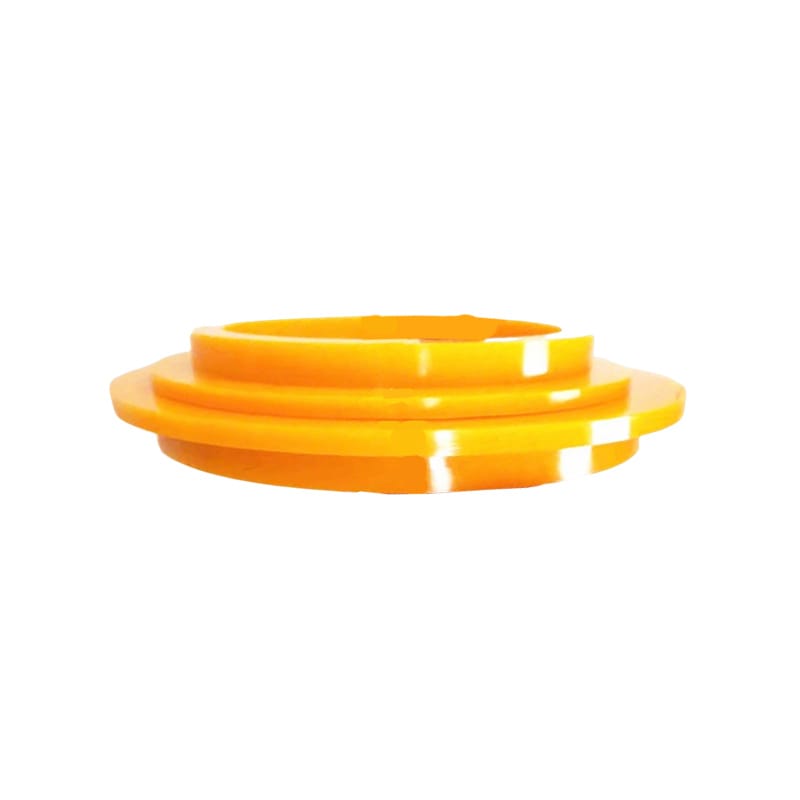
Groove dimensions are more reliable than worn seal dimensions. Used seals may flatten, swell, shrink, or distort. Buyers should confirm rod diameter, bore diameter, groove width, groove depth, chamfers, and clearance whenever possible. Surface finish also matters because rough rods can damage sealing lips quickly.
If the part is being redesigned, mark which dimensions are critical. Seal lips, energizing areas, backup support, and guide surfaces usually need closer attention than non-functional edges. Huadao?? rubber material selection guide can help buyers prepare material questions before sampling.
Surface condition deserves practical attention. A polished rod may look acceptable but still have scratches that cut the sealing lip. A corroded or pitted surface can carry oil past the seal and accelerate wear. When buyers send only the old seal without checking the mating surfaces, the replacement hydraulic cylinder seals may inherit the same failure environment.
Assembly tools and handling also matter. A seal stretched with the wrong tool or forced over a sharp edge can be damaged before the equipment starts. Hydraulic cylinder seals should be packed, stored, and installed in a way that protects sealing lips and prevents contamination.
For custom production, tolerances should be realistic for elastomeric parts. A rubber or PU seal does not behave like a metal ring, and some dimensions are more functional than others. Identifying sealing lips, energizing surfaces, and fitting areas helps the manufacturer inspect hydraulic cylinder seals in the way that matters most.
Concise Quote Checklist
For an accurate quote, send the seal type, drawing or sample, groove dimensions, pressure, speed, temperature, fluid type, quantity, and failure history. If the seal is used in repair, explain whether the goal is direct replacement or improved service life.
Hydraulic cylinder seals perform best when treated as part of a sealing system. Material, profile, groove, rod surface, fluid, and installation method all influence the result. A clear inquiry reduces guesswork and helps the manufacturer recommend a seal that fits both the drawing and the operating reality.
For repeat orders, keep the approved seal drawing, material, profile, and installation direction together. Similar hydraulic cylinder seals can look nearly identical but behave differently under pressure. Good documentation reduces the risk of mixing profiles during maintenance purchasing.
If the buyer is not sure which seal profile is installed, sending the cylinder groove drawing is usually better than guessing from a worn sample. The manufacturer can then compare the groove to possible hydraulic cylinder seals and ask targeted questions before production.
After a sample is installed, record leakage behavior, movement smoothness, and any installation difficulty. This feedback helps confirm whether the hydraulic cylinder seals are ready for repeat production or whether the profile, material, or groove information needs one more review.